

)
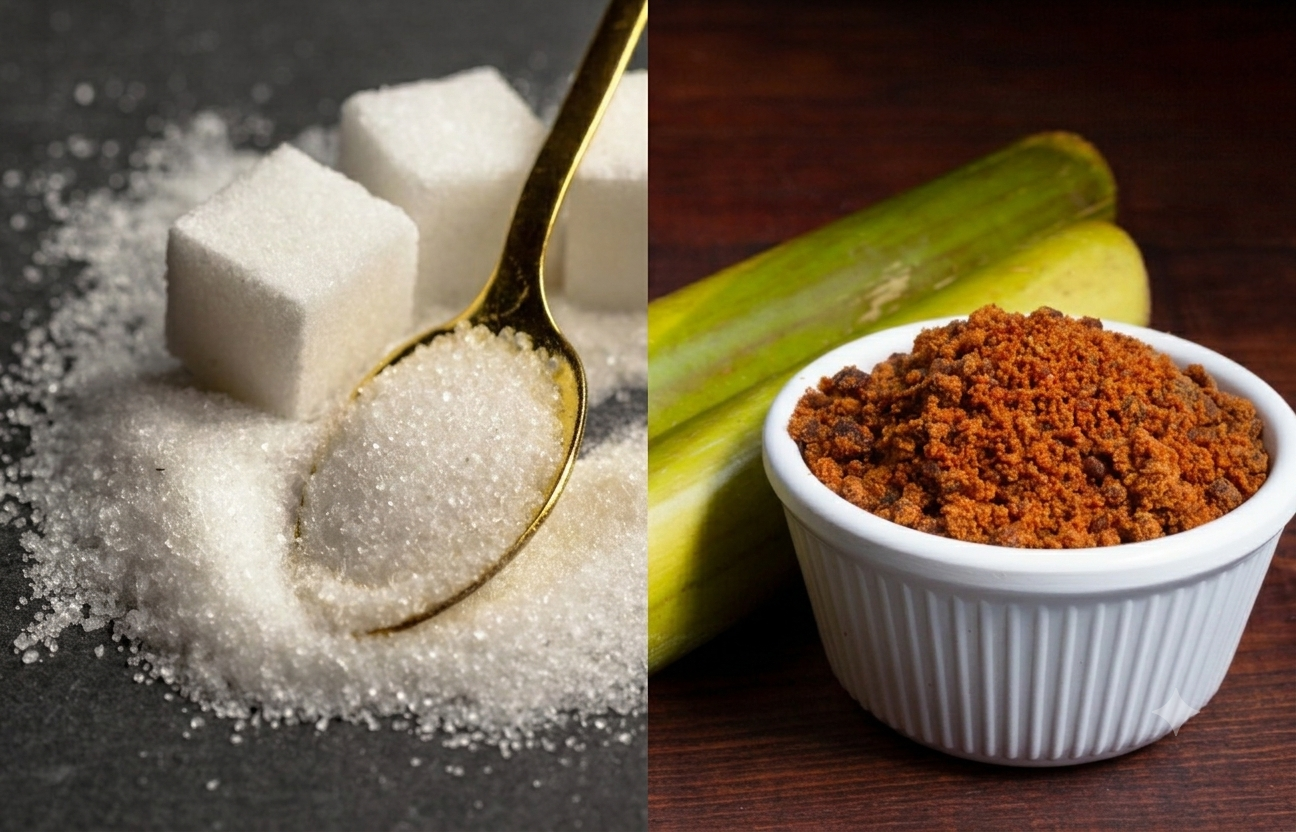
Jaggery, or gud, holds the reputation of being a healthy sweetener as it contains vitamins and minerals. Many people switch from consuming refined sugars to jaggery as they feel that it will help them lose weight. But is there any science behind this, as refined sugars do add extra calories to the meal? The International Journal of Applied Home Science suggests that jaggery has antioxidants and more minerals than refined sugar, which spikes blood sugar and can increase fat storage when consumed in excess. Based on nutritional research, jaggery is healthier, but both sweeteners add calories.
When it comes to sustaining weight loss, the nutritional composition of jaggery is far better than refined white sugar, and it can become a part of a healthy diet. But solely consuming jaggery can't help with weight loss, as it is a sweetener. There is certainly an increasing amount of research that deems jaggery to be a better sweetener, as refined white sugar is addictive and can cause erratic blood sugar spikes.
What Exactly Is Jaggery?
Jaggery, gur or gud, is a traditional sweetener that is prepared from sugarcane juice or palm sap. The various stages of processing that make sugarcane into refined sugar have several stages of unrefined sugar byproducts that are healthier.
The natural sweetener contains these nutritional values according to the Indian Council of Medical Research (ICMR) and National Institute of Nutrition (NIN):
- Energy: 383 kcal
- Carbohydrates: 98-99 g
- Protein: 0.4 g
- Fat: 0.1 g
- Calcium: 40-100 mg
- Iron: 11 mg
- Magnesium: 70-90 mg
- Potassium: 1050 mg
- Phosphorus: 20-90 mg
- Sodium: 19-30 mg
How Is White Sugar Different?
White sugar is the end product after various stages of refinement of sugarcane pulp. The refined white sugar contains sucrose that is widely used as a sweetener in packaged foods and beverages due to its sweetness. But the processing of sugarcane into white sugar tends to strip the naturally occurring minerals that could be beneficial for your health and support your weight loss goals when eaten in moderation.
Jaggery vs Sugar: Nutrition Comparison
Caloric Count of Jaggery and White Sugar
When it comes to the calories in jaggery and white sugar, they both contain about the same amount of calories. It is 383 calories for jaggery and 387 calories for white sugar per 100 g, but their nutritional composition makes them have different impacts on the body.
Sustainable weight loss needs a caloric deficit, and jaggery and white sugar can't help with this aspect.
Vitamins and Minerals
The amount of trace minerals in jaggery makes it better as a sweetener than white sugar. Mainly, jaggery contains small amounts of iron, potassium, calcium, and magnesium, which makes it better for daily consumption health-wise for those who want to become healthier. The addictive nature of white sugar and its negligible micronutrients have made people make a switch.
Can Jaggery Actually Help With Weight Loss?
There is no direct clinical evidence that proves consuming jaggery could help with weight loss. It has properties that could make it better at regulating blood sugar and being nutritionally dense. But weight loss depends on overall calorie intake and maintaining a deficit for sustainable weight loss, where jaggery can't help.
Note: If you consume too much jaggery, then your weight can increase, which is the same as while consuming white sugar.
Does Jaggery Affect Blood Sugar Levels?
Jaggery does affect blood sugar levels, as it contains sucrose and other unrefined sugars that are slowly absorbed in the bloodstream. Blood glucose can rise after consumption of jaggery, but when compared with white sugar, the spike varies.
Does Jaggery Offer Any Health Advantages Over Sugar?
The International Journal of Chemical Science has detailed that jaggery contains multiple health benefits that make it superior to white sugar as a sweetener. These benefits include the following:
- Slightly higher mineral content in terms of iron, potassium, magnesium, calcium, and phosphorus.
- Less processing, as the sweetener is not refined.
- Traditional food ingredient that is readily available for consumption with ease.
Note: Jaggery has a slight nutritional edge over white sugar, but the benefits of consuming it don't decrease its sucrose content.
How Much Jaggery Is Too Much?
The World Health Organization (WHO) has official recommendations that suggest that sugars such as jaggery should be less than 10% of the total caloric value daily. The approximate portion size in terms of tablespoons is about 1 to 1.5 tablespoons. This is the maximum sugar intake, including packaged foods, beverages, and desserts. If you want to sustain weight loss, then strict adherence to the set clinical standard is necessary to regulate your weight.
Healthier Ways To Satisfy Sweet Cravings
Instead of opting for sugar-filled desserts or snacks, you can look for healthier ways to satisfy sweet cravings. These ways can be:
- Fresh fruits
- Dates in moderation
- Unsweetened yoghurt with fruit
- Nuts and seeds
- Naturally sweet snacks
Jaggery contains trace minerals that make it beneficial for regulating blood sugar, but when it comes to weight loss, focusing on your overall diet matters. You need to balance your intake of added sugars and consume a moderate portion of jaggery for its health benefits for long-term health.
Also Read: Best Breakfast For Prediabetes: What To Eat To Help Manage Blood Sugar
Disclaimer: This content including advice provides generic information only. It is in no way a substitute for a qualified medical opinion. Always consult a specialist or your own doctor for more information. NDTV does not claim responsibility for this information.