

)
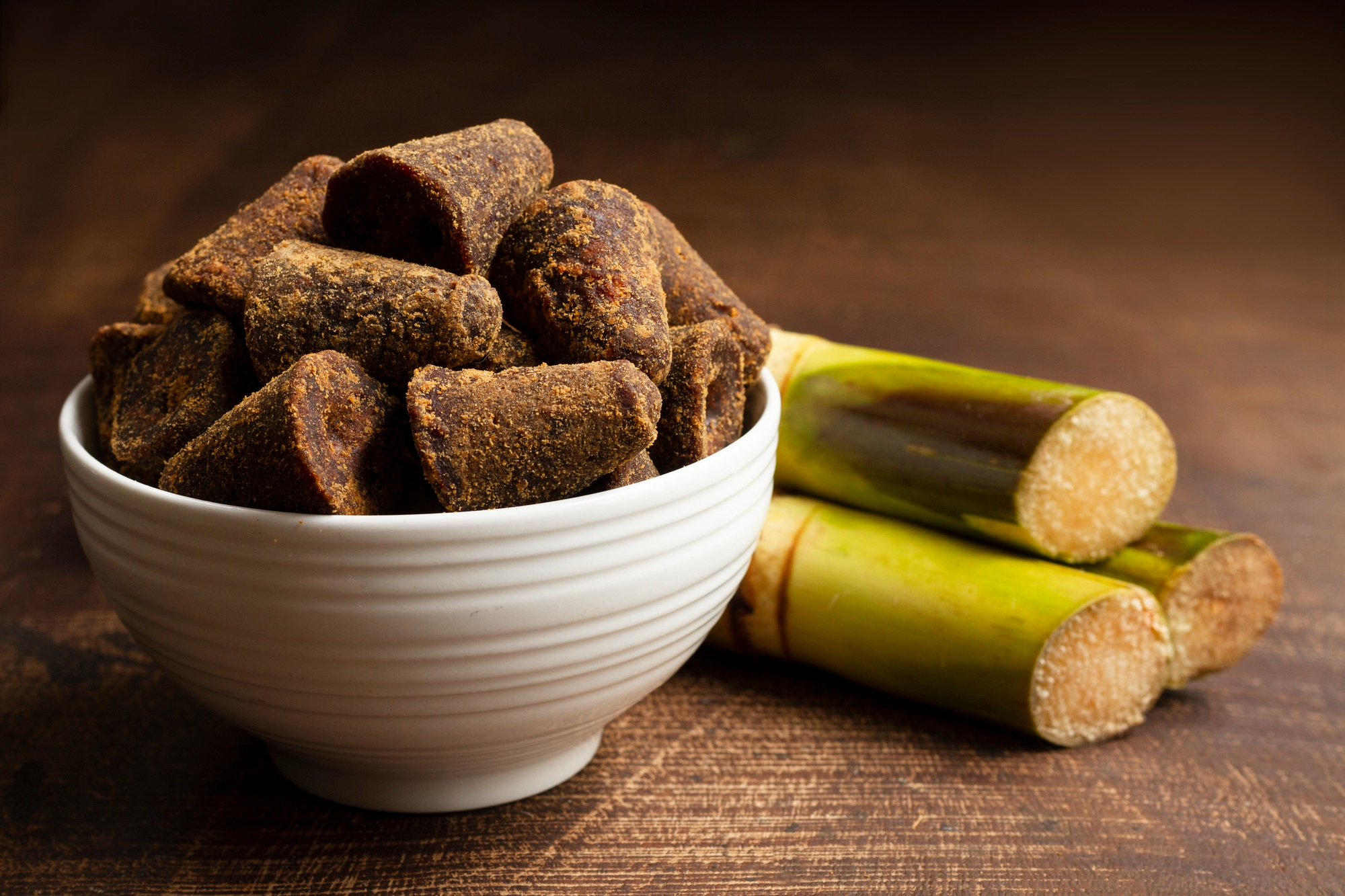
With the current air quality being at a hazardous level, building immunity against particulate matter has become a necessity. This is where Jaggery, or 'gur', can offer some relief. Jaggery is most commonly known in Indian households, is consumed especially in winter can nourish the body with its health benefits. In North India, people consume it in chikki, til ki ladoos and even in warm milk as a nighttime or winter warming drink. While in South India, people consume jaggery on special occasions and as part of cultural practices. Specifically, in Tamil Nadu, people consume gur ki chawal for its deliciousness and health benefits. Ayurveda considers jaggery as a warming food, not only as a sweetener but also for its rich nutrient profile, and multiple studies validate these benefits. This nutrition remains intact in the golden-brown jaggery blocks, which are mainly formed when they are not spun during processing to remove the nutritious molasses. This is generally followed in the manufacturing process of refined sugar. There are a number of health benefits that people can reap when they make gur a part of their daily diet.
Health Benefits Of Eating Jaggery Or Gur Daily
1. Helps Keep the Body Warm in Winter
The natural warming properties present in jaggery can help people maintain their body heat during cold winters. Studies reveal that this warming effect makes people feel more energised and comfortable in low temperatures. There is even clinical evidence that suggests consuming jaggery water first thing in the morning can help regulate body heat effectively in cold temperatures. People can add a small portion of jaggery to their normal eating routine, especially after meals, to boost digestion and keep the body warm.
2. Supports Better Digestion After Meals
Consuming a bite of jaggery is a common Indian post-meal habit that can help fast-track digestion and ease bloating. Many Indian families eat a small piece of jaggery to beat winter sluggishness, when digestion naturally slows down. Not only is this habit a great way to satisfy sweet cravings after eating, but it can also provide additional nutrition to the body through its essential vitamins and minerals present in a jaggery block. Several studies suggest that jaggery can boost digestive enzymes that can help fast-track digestion, offering relief from slow digestion during the winter months.
Read More: Is Gur Really Good For You? Expert Explains The Hype, Health Facts, And Myths
3. May Help Boost Immunity
The rich nutrient profile of minerals and antioxidants present in a gur block offers winter immunity-boosting benefits. Jaggery contains trace minerals like zinc and selenium, which may support the body's natural defences against seasonal infections. As winter is the peak season for coughs and colds, consuming jaggery can offer relief from these annoying respiratory infections that can be a headache to deal with. Given the current state of air pollution levels across Indian cities, it has become important to boost the body's natural defence systems to counter the harmful effects of particulate matter on the whole body.
4. Helps Clean the Respiratory Tract
This particulate matter, which has become a staple in the winter season, can cause irreparable damage to the airways. From hoarse coughing to chest pain, brain fog, difficulty concentrating and many more health problems can occur. Jaggery can offer some relief; multiple studies have documented that regular jaggery consumption can mitigate the respiratory symptoms and better internal lung functioning to a certain extent in healthy individuals. In many Indian households, jaggery is used in kadha, warm milk, or mixed with ginger to ease throat discomfort. These warm jaggery preparations may help soothe the respiratory tract during cold, smog-filled winter months.
Read More: Air Pollution & Diet: Consuming Jaggery Can Boost Your Respiratory Health; Here's How
5. A Natural Source of Iron
Studies document that jaggery with 2 mg iron has been shown to be absorbed in the body and help maintain proper iron levels in people who are deficient in iron. Iron is responsible for maintaining healthy haemoglobin levels in the body, which is what gives a natural reddish glow to people's faces as well. Studies and surveys indicate that among the Indian population, children, teenagers, women, pregnant women, men and elderly people have varying degrees of iron deficiency. It is about 11% to 90.1%, depending on which demographic is being looked at. While jaggery can nourish the body with iron, it is not a treatment but can complement an iron-rich diet.
6. Provides Quick, Natural Energy
Jaggery is considered better than refined sugar, as refined sugars have empty calories with no vitamins and minerals when compared with jaggery. The nutrient composition of jaggery releases energy slowly in the body instead of the sudden sugar crashes when compared to refined sugar. This makes it a popular winter snack ingredient, especially for students, office professionals, and people who need steady energy. Studies suggest that jaggery is digested more slowly, leading to a gradual energy release into the body, unlike the rapid energy boost from white sugar. Additionally, white sugar goes through a refining process, which strips its nutritional value, which is not the case with jaggery.
Read More: Should Diabetics Consume Jaggery?
How Much Jaggery Is Okay to Eat Daily?
While jaggery is still a form of sugar, people who are diagnosed with diabetes need to exercise caution with their jaggery intake. For otherwise healthy individuals, consume jaggery in moderation and as part of a balanced diet. Consult a medical professional for the proper dosage, as the purity of jaggery can differ based on its production. Certain forms of jaggery are much better for people's health; it is important to check the purity, quality and manufacturing process for hygienic preparation.
There is even evidence in Ayurveda that suggests pure jaggery, when added to cough syrups, can naturally prolong their shelf life. This also means that jaggery-based syrups can offer better respiratory comfort to people who are suffering from respiratory infections. But the certifications and medical body approvals are necessary to gauge medicine effectiveness.
Best Ways to Add Jaggery to Your Winter Diet
Jaggery, or 'gur', can be easily added to the winter diet, unprocessed as is or by adding it to:
- Add to warm milk
- Using it as an ingredient in til-gur ladoos
- Mixing it with roasted peanuts
- Adding it to sweeten porridge or daliya
- Add to tea occasionally, although khandsari sugar, which is prepared from sugarcane, can work better when mixed in with liquids.
Jaggery is a comforting, nutrient-rich winter food with several everyday benefits. But the key lies in moderate intake and eating it in its true, unadulterated form.
Disclaimer: This content, including advice, provides generic information only. It is in no way a substitute for a qualified medical opinion. Always consult a specialist or your own doctor for more information. NDTV does not claim responsibility for this information.