





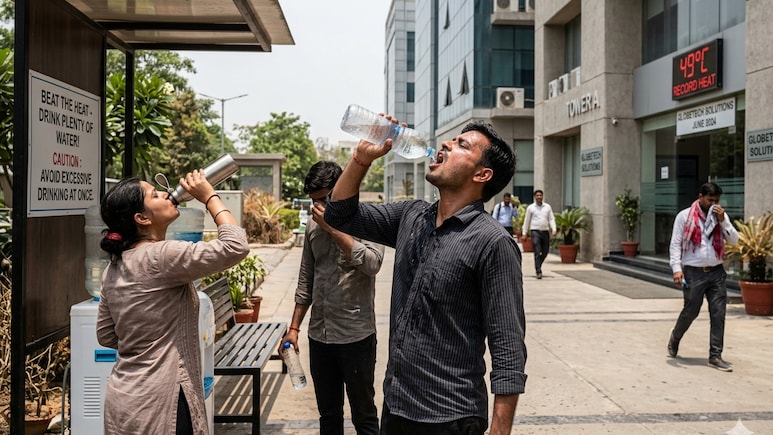
- Heatwave warning issued in India with temperatures above 40 degrees Celsius expected
- Thirst is a late dehydration sign; regular small sips of water are advised throughout day
- Avoid large water intake at once and consume hydrating fruits like watermelon and cucumber
According to the Indian Meteorological Department, a heatwave warning has been issued, wherein parts of India are set to record temperatures above 40 degrees Celsius. This raises the risk of dehydration, and many people are drinking water but still feel tired or dizzy. Because of the potential that they may be hydrating in the wrong manner. There are various negative effects of dehydration, as it can cause fainting in severe cases. While people assume that drinking water is enough in the summer months. But an abnormal temperature warning warrants a need to create a personalised hydration plan to supplement the water loss that is happening at a rapid pace. Drinking water is not enough, as hydration mistakes are common and often go unnoticed, but the damage from potential dehydration may have already happened.
Doctors Say That Thirst Is A Late Warning Sign
Dr Moonish Aggarwal, Senior Consultant, Department of Medicine, Mata Chanan Devi Hospital, New Delhi, explains, "From a clinical perspective, thirst is a late signal of dehydration. The body begins to lose fluids much earlier, especially in high heat. Regular, small sips of water throughout the day help maintain fluid balance and prevent early symptoms like fatigue, headache, and reduced concentration."
Early dehydration symptoms that you need to know are as follows:
- Fatigue
- Headaches
- Poor concentration
Note: This is why taking small, regular sips is better than waiting to feel thirsty, especially to avoid the damage from dehydration.
Dt Kanikka Malhotra, Dietitian and Nutritionist, Certified Diabetes Educator, and Lead Consultant at Pacific One Health, New Delhi, says, "Most people focus on how much water they drink, but very few consider timing. Starting hydration late in the day after heat exposure is less effective. The body benefits more when fluid intake begins early in the morning and continues steadily before stepping out."
1. Drinking Too Much Water At Once
Dr Moonish Aggarwal also says, "The body absorbs fluids more efficiently when intake is gradual. Drinking large volumes of water at once can lead to quicker excretion without effectively hydrating cells. Steady intake supports better circulation, temperature regulation, and overall physiological balance."
This is further supported by clinical evidence published in the Journal of Natural Science, Biology and Medicine, which explains that drinking half a litre of water increases activity of the sympathetic nervous system, but drinking too much can leave the body's cells starved of hydration.
2. Not Eating Enough Hydrating Fruits
"Hydration is supported not just by water but also through diet. Fruits such as watermelon, cucumber, and citrus provide both fluids and essential minerals that help the body retain hydration and maintain energy levels during heat exposure," says Dr Moonish Aggarwal.
You need to consume fruits like the following:
- Watermelon
- Cucumber
- Citrus fruits
These summer fruits can provide fluids, natural electrolytes, and increased energy during heat exposure.
3. Drinking Beverages That Can Worsen Dehydration
Dr Moonish Aggarwal points out, "Certain beverages can interfere with proper hydration. Excess caffeine and alcohol can increase urine output, while very sugary drinks may slow fluid absorption. From a medical standpoint, these choices can contribute to a net fluid loss rather than effective hydration." So, you need to avoid the following beverages that can give you false hydration in summers:
- Excess caffeine intake can increase urine loss, leading to worsening fluid retention.
- Alcohol consumption in record heat can cause a fluid imbalance in the body.
- Dr Kanikka Malhotra explains, "People often assume all clear liquids hydrate equally, but beverages with excess sugar or artificial additives can actually delay fluid absorption and create a false sense of hydration."
The creation of false hydration is dangerous, as you can feel that you have consumed enough liquid, but your body is actually in need of actual hydration.
4. Your Hydration Stays The Same Every Day
Dr Moonish Aggarwal highlights, "Hydration needs are not fixed and vary based on heat exposure, physical activity, age, and overall health. The body continues to lose fluids even indoors, especially in air-conditioned environments. Monitoring simple signs like urine colour, frequency, and energy levels can help assess whether hydration is adequate."
5. Not Being Aware Of Timing
Dt Kanikka Malhotra explains, "Many people overlook that rapid cooling habits like immediately drinking ice-cold water after coming in from extreme heat can disrupt digestion and slow down effective absorption of fluids."
She adds, "Most people focus on how much water they drink, but very few consider timing. Starting hydration late in the day after heat exposure is less effective. The body benefits more when fluid intake begins early in the morning and continues steadily before stepping out."
Also Read: Can Having Coconut Water With Sabja Seeds Help Prevent Kidney Stones In Summer?
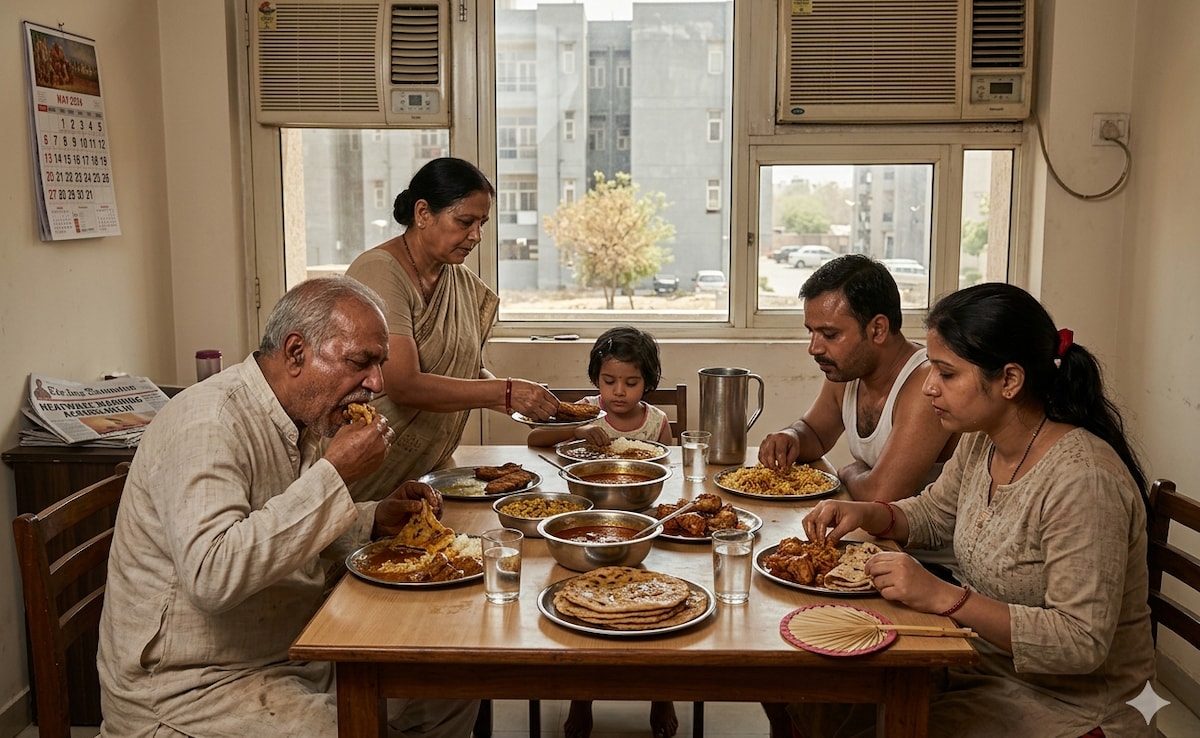
People eating a heavy, oily, or high-protein meals during peak heat
Photo Credit: AI generated image
6. Not Considering Food Choices That Can Affect Hydration
Dt Kanikka Malhotra highlights that "eating very heavy, oily, or high-protein meals during peak heat can actually increase internal heat production and fluid requirement. Lighter, seasonal meals reduce this burden and support better hydration from within."
7. Ice-Cold Water After Heat Exposure: A Hidden Mistake
"Many people overlook that rapid cooling habits like immediately drinking ice-cold water after coming in from extreme heat can disrupt digestion and slow down effective absorption of fluids. explains Dr Kanikka Malhotra. You need to allow your overheated body temperature to stabilise itself before drinking water or a hydrating summer drink like coconut water.
8. Hidden Dehydration Indoors And During Travel
Dt Kanikka Malhotra pinpoints, "A lesser-known mistake is ignoring hidden dehydration during travel or long indoor hours. Sitting in cars, offices, or on flights with air conditioning can quietly reduce hydration levels without noticeable sweating. "The silent water loss needs to be supplemented through a mixture of water, hydrating fruits, and drinks."
9. Avoiding Salt Completely Can Be A Problem
Dt Kanikka Malhotra points out, "Another overlooked factor is salt restriction during extreme sweating. While moderation is key, completely avoiding salt in peak summer can sometimes contribute to low energy and dizziness due to mineral loss."
10. Dehydration Doesn't Affect Mood And Focus
Dt Kanikka Malhotra explains otherwise, as "many individuals do not connect poor hydration with mood and focus. Even mild dehydration can impact concentration, irritability, and productivity, especially in high-heat conditions." Furthermore, according to research published in the International Journal of Environmental Research and Public Health, water accounts for 75% of brain mass, so a constant supply of water is needed via hydration to make sure your body doesn't suffer from the side effects of dehydration.
11. Hydration Is Not Shaped By Routine And Environment
There are numerous causes of dehydration that can be tied to common hydration mistakes that people make on a daily basis. These can be:
- Skipping meals
- Long fasting windows
- Irregular eating patterns
All of these indirectly worsen hydration levels and lead to problems while dealing with summer heat.
Dt Kanikka Malhotra says, "Lastly, hydration is often treated as an individual habit, but in reality, it is influenced by routine and environment." So, taking steps to deal with the extreme heat should be a conscious habit that should be worked on every single day, especially when the record temperatures are set to rise by 5 degrees above average.
Disclaimer: This content, including advice, provides generic information only. It is in no way a substitute for a qualified medical opinion. Always consult a specialist or your own doctor for more information. NDTV does not claim responsibility for this information.
Track Latest News Live on NDTV.com and get news updates from India and around the world

