

)
Kidney stones are hard mineral or salt deposits that cause pain if left untreated. The research highlighted by the Indian Society of Nephrology (ISN) in March 2026 points to North Karnataka, Odisha, and Uttar Pradesh as high-risk zones where "Heat Stress Nephropathy" is becoming a silent epidemic. This is why taking your hydration seriously is important, as kidney stones cause excessive pain and discomfort and require a long recovery period that requires a complete overhaul of your dietary habits. When it comes to ensuring complete hydration, two food items, such as coconut water and sabja, or sweet basil seeds, can prove effective. But knowing how to consume them and when is needed for natural protection against dehydration, which can lead to possible kidney stones.
Why Kidney Stones Spike In Summer
Record high temperatures put undue stress on normal body functioning; this is known as 'heat stress', and due to excessive water loss that occurs to regulate body temperature, dehydration can happen. The urine also becomes concentrated, whose exact colour can signal how dehydrated the body has become. This is why repeated attention to your hydration is needed to deal with the heat-related dietary imbalances that can cause kidney stones.
The contaminated water source, be it drinking water or groundwater, has made kidney stones an all-season problem that is not isolated to the summer months. So, hydrating through multiple sources is necessary to ensure your body has the right balance of electrolytes, minerals, and vitamins.
Coconut Water: Nature's Hydration Hero
Coconut water is considered a natural source of hydration that can supply the body with electrolytes and potassium, along with medicinal properties, such as detoxification, antibacterial, anti-inflammatory, rejuvenation, digestion, and diuretic properties. As mentioned in the Journal of Urology, it can potentially prevent kidney stones as they occur when the kidneys don't get enough water to flush out the salts, and drinking coconut water continuously can promote urine dilution.
In addition, coconut water also has positive therapeutic effects on gastric dysfunction and dysentery, and even helps in addressing child malnutrition. So, consuming a small quantity can offer better protection from kidney stones.
Sabja Seeds: Cooling And Cleansing
Sabja seeds are cultivated for their medicinal properties, and their water absorption factor can make them a potential way to prevent kidney stones. Their nutritional profile, according to the Pharma Innovation Journal, which includes fibre, antioxidants, and minerals, promotes urinary health and has a positive impact on kidney function. But how much is suitable for you, and when you consume them during the day, and their processing in your body will indicate the exact health benefit they can have on your kidneys.
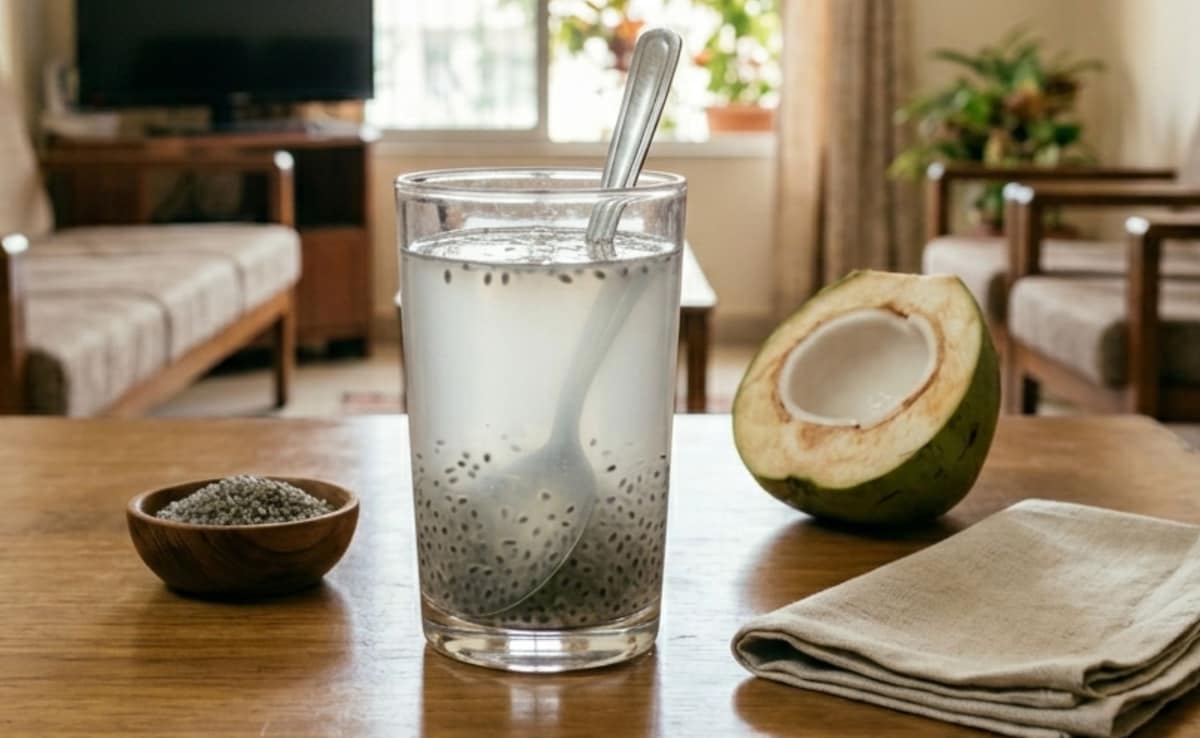
Coconut water with sabja seeds (image is for representation purposes only)
Photo Credit: A.I generated image
Combination Of Coconut Water And Sabja Seeds
When it comes to kidney health maintenance, people need to adopt a detailed approach that utilises the health benefits of various food items. The exact combo of coconut water and sabja seeds could offer kidney health-boosting properties, as there is evidence. According to research published in the International Braz J Urol, consuming coconut water can reduce the formation of salt crystals in your urine.
When it comes to sweet basil seeds, the evidence for directly preventing kidney stones doesn't exist, but they can have side effects, as their oxalate content is higher.
Also Read: 8 Reasons Why Coconut Water Is The Perfect Summer Drink
Precautions And Best Practices With Coconut Water And Sabja Seeds
Natural hydrating sources, such as coconut water or sweet basil seeds, need regulation and caution to be safe with their consumption.
- If you want to naturally increase your hydration levels, then you need to consult a nutritionist or dietician, who can look at your dietary habits, lifestyle, and physical activity and suggest safe avenues for the same.
- People who have a problem with low blood pressure should avoid consuming sweet basil seeds, as their clinical validity remains unexplored.
Note: You need to know how much coconut water, approximately a small glass of 100 ml, is enough for daily consumption. While sweet basil seeds need a much smaller dose, approximately 3 to 5 g, they should only be introduced after a nutritionist's consultation.
Coconut water with sabja seeds is a refreshing, potentially protective summer ritual. But whether your body can safely process it or not depends on its current gut health status and tolerance level for new potent seeds. You need to stay hydrated, eat smartly, keeping the pros and cons of each in mind, and consult your doctor to be safe.
Disclaimer: This content, including advice, provides generic information only. It is in no way a substitute for a qualified medical opinion. Always consult a specialist or your own doctor for more information. NDTV does not claim responsibility for this information.