

)
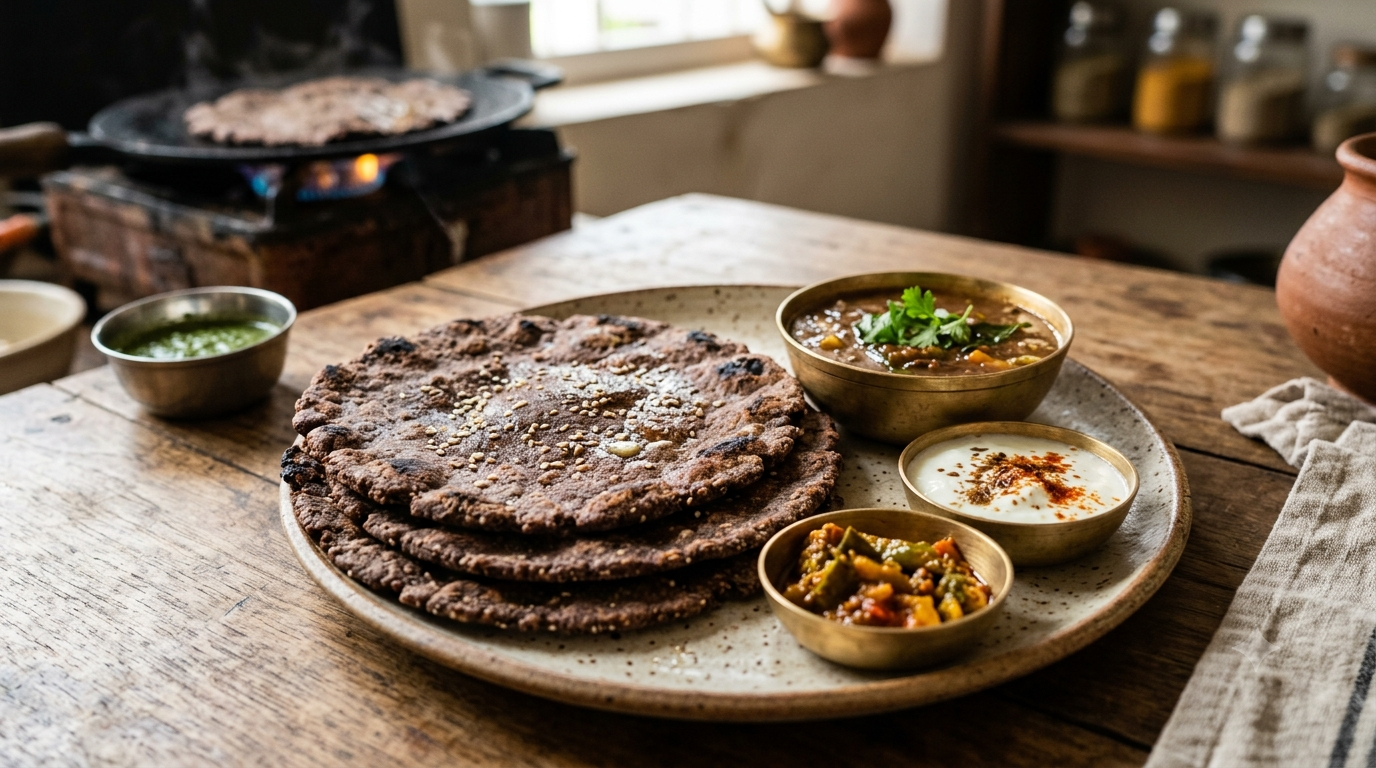
Ragi, also known as finger millet, has become one of the most popular healthy grains in recent years. From ragi rotis and dosas to porridge and pancakes, it is often promoted as a superfood for weight loss, diabetes management, and stronger bones. But does eating ragi every day actually benefit your health, or could too much of it have drawbacks? Nutrition experts say ragi is undoubtedly a nutrient-rich grain, but like most foods, moderation and variety are key. Ragi is one of India's oldest millet crops and has traditionally been consumed in southern and hilly regions. It is also highly climate-resilient and drought-tolerant, making it an environmentally sustainable grain.
Why Is Ragi Considered Healthy?
According to Dt. Kanchan Khurana, Senior Clinical Nutritionist, Fortis Hospital, Greater Noida, ragi is packed with several essential nutrients. "Ragi is a highly climate-resilient and drought-tolerant crop that has been consumed for generations in southern and hilly parts of India. It offers several nutritional benefits as it is rich in calcium, iron, phosphorus, potassium and magnesium. It helps combat anaemia and supports stronger bones," says Dt Khurana. Its high fibre content also helps improve satiety, making it a popular choice among people trying to lose weight or manage blood sugar levels.
Also read: Millets Expert Shares Top 5 Health Benefits Of Eating Ragi Daily
"No one grain should be the whole of the diet. Eating only ragi everyday and avoiding wheat, rice, pulses, fruits and vegetables can lead to nutritional imbalance. Portion size matters too, as ragi is still a source of carbohydrates. The best strategy is to rotate whole grains, pair up ragi with adequate protein and vegetables and keep yourself physically active on a regular basis. The key to long-term metabolic health is not any one “superfood” but rather dietary diversity," says Dr Nishant Raizada, Head, Endocrinology and Diabetes, Amrita Hospital, Faridabad
Can You Eat Ragi Every Day?
For most healthy people, ragi can safely be included as part of a balanced diet. However, experts advise against relying on it as the only grain every single day. "As this millet is relatively heavy on the stomach, eating it every day can be challenging for people with sensitive digestive systems," says Dt. Khurana. Some people may experience bloating, fullness or digestive discomfort if they consume large quantities regularly, particularly if they are not accustomed to eating high-fibre foods.
Can Ragi Increase The Risk Of Kidney Stones?
Although ragi is rich in calcium, it also contains naturally occurring oxalates. "It also contains oxalates, which in combination with calcium can precipitate and increase the risk of kidney stones," explains Dt. Khurana. This does not mean everyone should avoid ragi. However, individuals with a history of recurrent calcium oxalate kidney stones should discuss their diet with a doctor or clinical nutritionist before consuming large amounts regularly.
Also read: Millets Expert Shares Top 5 Health Benefits Of Eating Ragi Daily
Ayurveda's View On Ragi
According to Ayurveda, ragi has a 'ruksha' (dry) property. "Because of its dry nature, it is important to consume enough water when including ragi in the diet," says Dt. Khurana. Staying well hydrated may also support digestion and overall gut health.
Who Can Benefit From Eating Ragi?
Ragi can be particularly beneficial for people who:
- Want to improve calcium intake
- Need more dietary fibre
- Are trying to manage blood sugar levels
- Are looking for healthier alternatives to refined grains
- Want greater variety in their daily meals
Its combination of fibre, minerals and complex carbohydrates helps provide sustained energy throughout the day.
Healthy Ways To Include Ragi In Your Diet
Rather than eating the same preparation daily, experts recommend incorporating ragi in different forms, such as:
- Ragi idli
- Ragi cheela
- Ragi porridge
- Ragi dosa
- Ragi roti
- Ragi pancakes
"If you are trying to manage your sugar levels or weight and are bored of eating the same foods repeatedly, adding ragi in the form of ragi idli, ragi cheela or ragi porridge is a nutritious option that can help keep you energetic throughout the day," says Dt. Khurana. Ragi is undoubtedly one of the most nutritious millets, offering calcium, iron, fibre and several essential minerals that support overall health. While it is safe for most people to include it regularly in a balanced diet, eating large quantities every day may not suit everyone, particularly those with sensitive digestion or a history of kidney stones. The healthiest approach is to enjoy ragi as part of a varied diet, stay well hydrated, and choose different preparations to maximise both nutrition and taste.
Disclaimer: This content including advice provides generic information only. It is in no way a substitute for a qualified medical opinion. Always consult a specialist or your own doctor for more information. NDTV does not claim responsibility for this information.