

)
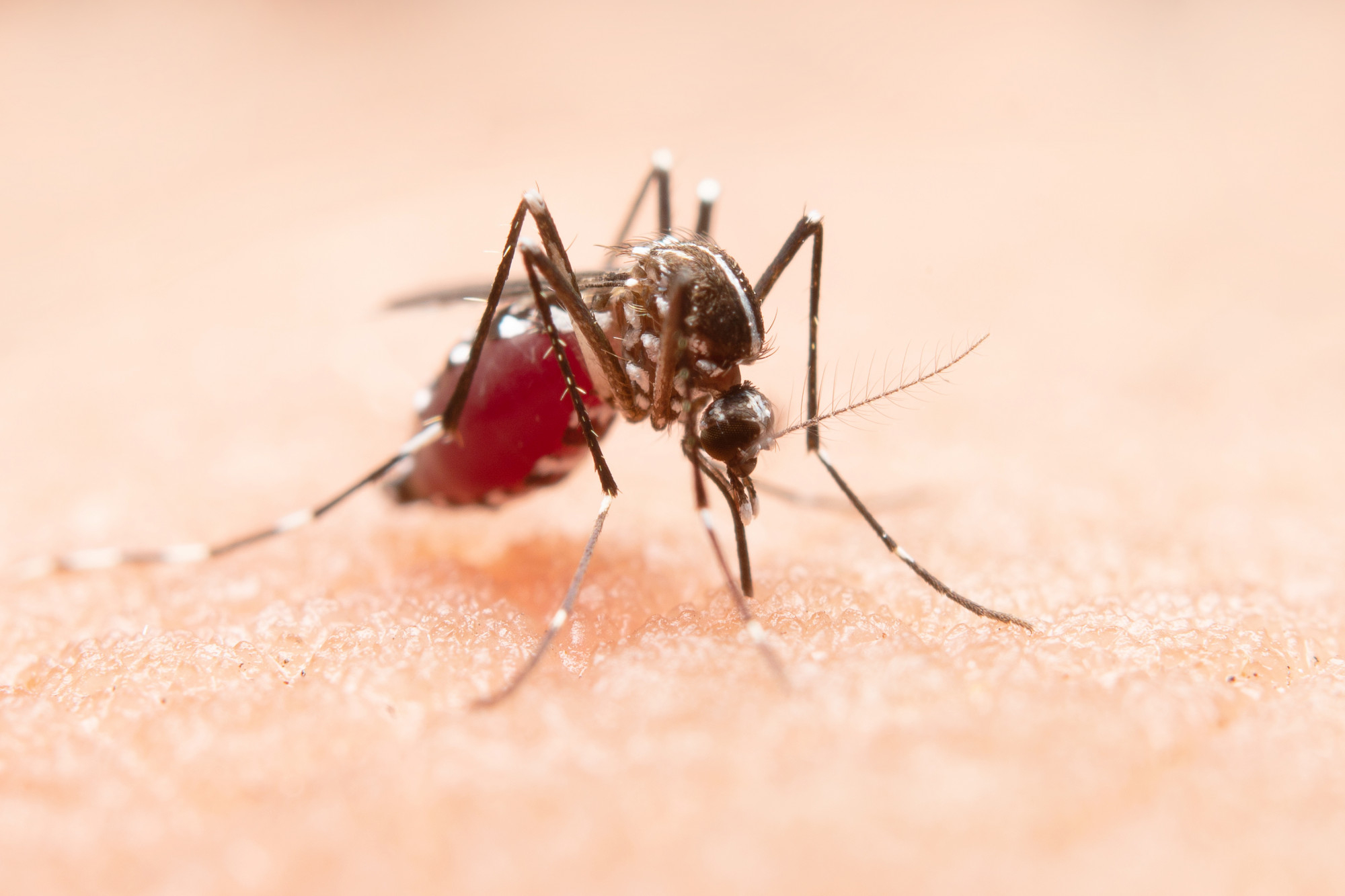
Dengue cases often rise sharply during the monsoon, when rainfall, humidity and warm temperatures create favourable conditions for the Aedes mosquito that spreads the infection. Cities such as Chennai, Kolkata, Mumbai and Delhi can be particularly vulnerable because rapid urbanisation, construction, overcrowding and water accumulation can create numerous mosquito-breeding sites. But it is not simply the amount of rainfall that determines the risk. The combination of intermittent showers, stagnant water and warm weather can allow mosquito populations to multiply rapidly. In densely populated urban areas, this can create the conditions for dengue transmission to spread quickly. According to Dr Niraj Kumar, Senior Consultant, Internal Medicine, ShardaCare - Healthcity, the rise in dengue cases is closely linked to the interaction between monsoon conditions, mosquito breeding and urban environments.
Why Does Dengue Spread More During The Monsoon?
Dengue is transmitted by the Aedes mosquito, which can breed in surprisingly small amounts of stagnant water. Unlike the common perception that mosquitoes require large pools of dirty water, Aedes mosquitoes can lay eggs in relatively small collections of clean, stagnant water. Flowerpots, discarded containers, tyres, water coolers, construction sites and blocked drains can all become potential breeding sites if water is allowed to collect. "Frequent rainfall followed by warm and humid weather creates highly favourable conditions for mosquito multiplication," says Dr Kumar. Rainfall provides fresh breeding sites, while warm temperatures support the mosquito's life cycle. When these conditions continue over several weeks, mosquito populations can increase and raise the likelihood of dengue transmission.
Why Are Big Cities Particularly Vulnerable?
Urbanisation can amplify the problem. Rapid construction, overcrowding, inadequate waste disposal and poor drainage can create multiple locations where rainwater accumulates. Even residential areas can have breeding sites in balconies, terraces, gardens, coolers and containers. In densely populated cities, the infection can also spread more efficiently because a large number of people live and work in close proximity. An infected person can act as a source from which mosquitoes acquire the dengue virus and subsequently transmit it to other people. This creates a cycle in which mosquito breeding and human infection reinforce each other.
How Does Weather Affect Dengue Transmission?
Weather conditions can influence dengue transmission in several ways. Warmer temperatures can accelerate the mosquito's life cycle and can also affect how quickly the dengue virus develops inside the mosquito. Intermittent rainfall can be particularly problematic. Instead of one period of heavy rain washing away standing water, repeated showers can continually create new breeding sites. "Changes in rainfall patterns, including intense showers followed by periods of warmth, can therefore contribute to prolonged transmission," Dr Kumar explained. This means dengue risk can remain elevated even after a particularly rainy period has passed, provided suitable breeding conditions continue to exist.
Is Dengue Season Getting Longer?
Dengue transmission is not necessarily restricted to a short seasonal window in many urban areas. Changing climatic conditions, population movement and persistent mosquito-breeding environments can extend the period during which dengue cases occur. When warm and humid conditions continue and stagnant water remains available, mosquitoes can continue to breed. This makes sustained prevention important rather than limiting mosquito-control efforts to the peak of the monsoon.
What Are The Symptoms Of Dengue?
Dengue can range from a relatively mild febrile illness to severe disease involving bleeding, plasma leakage, shock or organ involvement. Common symptoms can include fever, headache, body ache and weakness. However, certain symptoms should prompt immediate medical evaluation. Warning signs include persistent vomiting, severe abdominal pain, bleeding from the nose or gums, extreme weakness, restlessness or a sudden worsening of symptoms after the fever begins to subside. A sudden deterioration after the fever falls should not be assumed to mean that the illness is resolving. Some serious dengue complications can develop around this stage, which is why medical monitoring is important when dengue is suspected.
How Can You Protect Your Family From Dengue?
The most effective way to reduce dengue transmission is to prevent mosquitoes from breeding. People should regularly check their homes and surroundings for stagnant water. Water-storage containers should be kept covered, while coolers and other containers that can collect water should be emptied and cleaned regularly. Discarded tyres, bottles, buckets, flowerpot trays and other objects that can hold rainwater should not be left exposed. Using mosquito repellents and wearing clothing that reduces exposed skin can provide additional protection, particularly in areas where dengue transmission is high. But individual precautions alone are not enough.
Why Community-Level Prevention Matters
Because Aedes mosquitoes can breed in small amounts of water across residential and commercial areas, dengue prevention requires coordinated community action. Construction sites, public spaces, drains, waste-disposal areas and water-storage facilities need regular monitoring. Civic authorities and communities need to work together to identify and eliminate breeding sites.In densely populated cities, even a small number of overlooked breeding locations can contribute to continued mosquito multiplication.
When Should You Get Tested For Dengue?
Anyone with persistent high fever, particularly during an ongoing dengue outbreak, should seek medical advice rather than relying only on self-medication. Early medical evaluation can help determine whether dengue testing is appropriate and whether the person needs monitoring for complications.
Dengue can change over the course of the illness, so people who have been diagnosed or are strongly suspected to have dengue should follow medical advice regarding follow-up and monitoring. The rise in dengue cases across cities such as Chennai, Kolkata, Mumbai and Delhi is closely linked to a combination of monsoon rainfall, warm and humid weather, stagnant water and favourable mosquito-breeding conditions. Aedes mosquitoes can breed in surprisingly small collections of water, making household containers, coolers, tyres, flowerpots, construction sites and blocked drains potential breeding sites. "Prevention remains the most effective way to control the spike," says Dr Kumar. Eliminating stagnant water, covering water-storage containers, cleaning coolers regularly, using mosquito repellents and reducing exposed skin can help lower the risk. At the community level, effective sanitation and mosquito-control measures are equally important. And if a person develops persistent high fever or warning signs such as severe abdominal pain, repeated vomiting, bleeding or sudden worsening after the fever subsides, prompt medical evaluation is essential.
Disclaimer: This content including advice provides generic information only. It is in no way a substitute for a qualified medical opinion. Always consult a specialist or your own doctor for more information. NDTV does not claim responsibility for this information.