

)
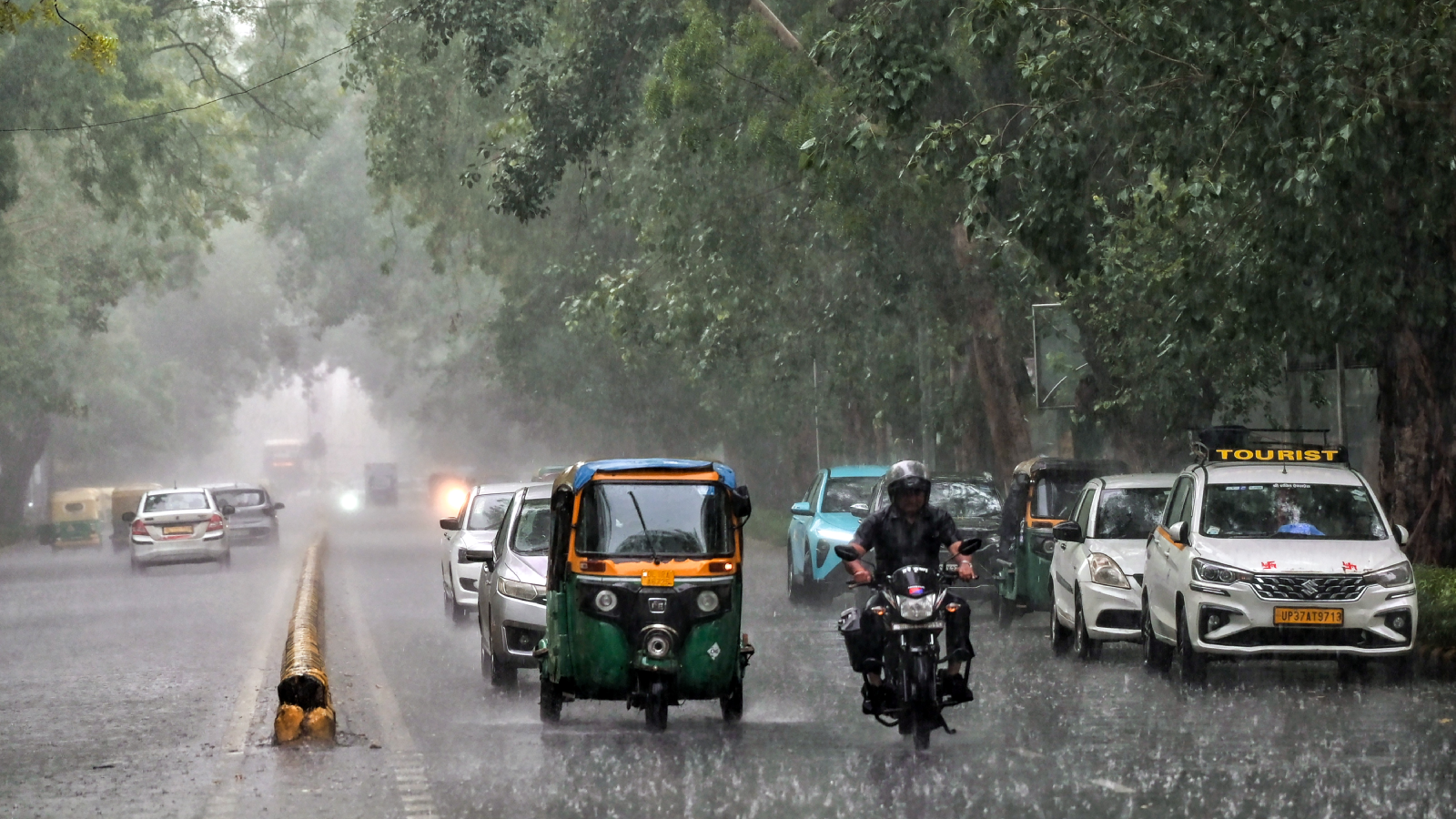
Monsoon is considered to be a time which brings relief from India's scorching summer heat. Rainfall and cooler temperatures have traditionally brought relief after weeks of intense heatwaves. However, new research suggests that this belief may no longer hold true. Scientists have found that while monsoon rains may lower temperatures, the accompanying rise in humidity could make conditions even more uncomfortable and dangerous for people. The combination of heat and moisture may extend the period of severe heat stress beyond the summer months.
The study, conducted by researchers from IIT Gandhinagar, Stanford University, and Purdue University, highlights a growing threat known as "uncompensable heat stress (UHS)." This happens when the human body can no longer cool itself effectively through sweating because both temperature and humidity levels are too high. Under such conditions, body heat builds up, increasing the risk of heat exhaustion, heatstroke, organ failure, and even death.
Researchers warn that if global temperatures rise by around 2 degrees Celsius above pre-industrial levels, large parts of India could experience dangerous heat stress during both the summer and monsoon seasons.
What The Study Found
According to the findings published in the journal American Geophysical Union (AGU) Advances, hot and humid monsoon conditions could significantly increase the duration of dangerous heat stress across India. The researchers found that heat stress is no longer limited to the pre-monsoon summer months. Instead, it is increasingly extending into the monsoon season, particularly between July and October.
The study also showed that uncompensable heat stress has become more widespread over the past four decades. Areas affected by these dangerous conditions have expanded considerably since the 1980s, indicating that climate change is already influencing heat-related risks across the country.
The authors wrote, "However, the monsoon season (July-October) UHS, predominantly characterised by hot-humid conditions, is projected to increase rapidly with climate warming and affect nearly equivalent areas of the country as the summer season (60 per cent in summer and 53 per cent in the monsoon season) under 2 degrees Celsius warming relative to the preindustrial period."
Why Humidity Makes Heat More Dangerous
Many people associate heat-related risks only with high temperatures. However, humidity plays an equally important role. The human body cools itself through sweat evaporation. When humidity levels are high, sweat does not evaporate efficiently, making it harder for the body to release heat. As a result, people can feel much hotter than the actual temperature suggests.
This is why monsoon weather, despite being cooler than peak summer temperatures, can still be extremely stressful for the body. Prolonged exposure to hot and humid conditions can lead to serious health problems, especially among outdoor workers, elderly people, children, and those with existing health conditions.
Regions At Higher Risk
The researchers identified several vulnerable regions where future heat stress could become particularly severe. These include the densely populated Indo-Gangetic Plain, and coastal regions where humidity levels are naturally high. In these areas, rising temperatures combined with monsoon humidity could create conditions that are increasingly difficult for people to tolerate.
Impact on Health
The consequences of prolonged heat stress go beyond physical discomfort. Read on to know how prolonged heat and humidity impacts health.
1. Dehydration and Loss of Essential Salts
During hot and humid weather, the body sweats more to stay cool. Excessive sweating causes loss of water and important minerals such as sodium and potassium. If these fluids are not replaced, a person may experience thirst, dry mouth, dizziness, weakness, and headaches. Dehydration can reduce physical and mental performance and may become serious if ignored.
2. Heat Exhaustion and Fatigue
High temperatures combined with monsoon humidity make it harder for sweat to evaporate from the skin. Since evaporation is the body's main cooling mechanism, the body can overheat more easily. This may lead to heat exhaustion, which is characterised by heavy sweating, tiredness, nausea, muscle cramps, and weakness.
3. Increased Risk of Heat Stroke
Heat stroke is a severe medical emergency that can occur when the body can no longer regulate its temperature. In hot and humid conditions, body temperature may rise rapidly to dangerous levels. Symptoms include confusion, loss of consciousness, rapid heartbeat, and very high body temperature. Without immediate medical attention, heat stroke can damage vital organs and become life-threatening.
4. Worsening of Health Conditions
Heat stress can add extra strain on the heart, lungs, and kidneys. People with conditions such as heart disease, high blood pressure, asthma, or diabetes may experience worsening symptoms during periods of intense heat and humidity. Older adults, young children, and pregnant women are particularly vulnerable.
5. Poor Sleep and Mental Health
Warm and humid nights often make sleeping uncomfortable. Poor sleep can lead to tiredness, irritability, difficulty concentrating, and reduced productivity during the day. Prolonged exposure to heat stress may also increase feelings of stress and discomfort, affecting overall mental well-being.
Disclaimer: This content including advice provides generic information only. It is in no way a substitute for a qualified medical opinion. Always consult a specialist or your own doctor for more information. NDTV does not claim responsibility for this information.