

)
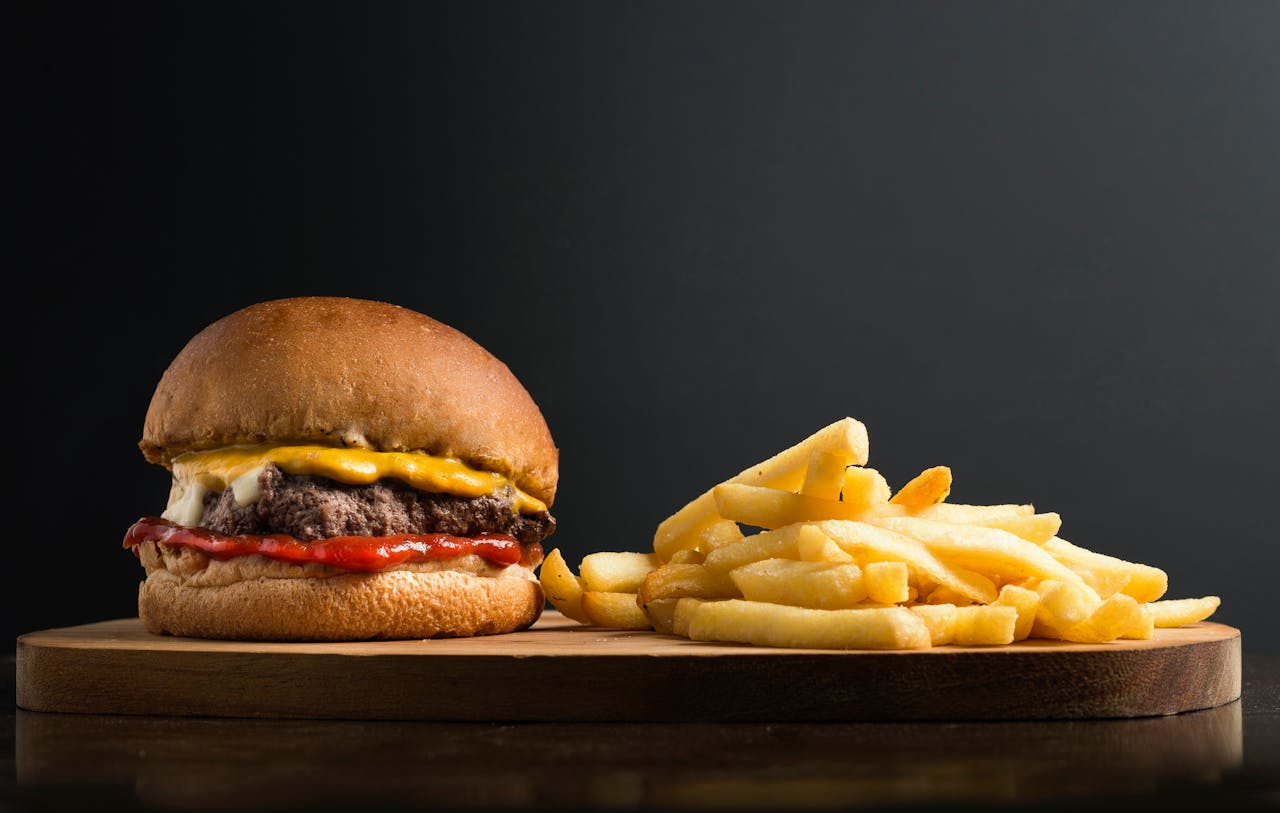
Junk food cravings are driven by a complex interplay of brain chemistry, hormones, habits, sleep patterns, stress levels, and even nutrient gaps. Research shows that ultra-processed foods high in sugar, salt, and unhealthy fats activate the brain's reward system in ways similar to addictive substances, making them hard to resist. The good news is that lifestyle and dietary strategies can meaningfully reduce these cravings over time. For Indian adults juggling long work hours, family responsibilities, and irregular eating schedules, these practical tips can help regain control without extreme dieting.
10 Tips that actually help reduce junk food cravings
1. Eat balanced meals with enough protein
Protein plays a critical role in controlling hunger hormones such as ghrelin. Studies show that meals rich in protein increase satiety and reduce the urge to snack on calorie-dense, nutrient-poor foods later in the day. Protein slows digestion and keeps the stomach full for longer, preventing energy crashes that trigger junk food cravings.
2. Do not skip meals, especially breakfast
Skipping meals may seem like a shortcut to weight control, but research links irregular eating patterns with stronger cravings for high-fat and high-sugar foods. When the body goes too long without food, blood sugar dips, pushing the brain to seek quick energy, usually in the form of junk food.
3. Add more fibre from whole foods
Dietary fibre from fruits, vegetables, whole grains, nuts, and seeds slows digestion and promotes fullness. Research from nutrition and metabolic health studies shows that higher fibre intake is associated with lower consumption of ultra-processed foods.
4. Manage stress before managing diet
Chronic stress raises cortisol levels, which has been linked to increased cravings for salty, sugary, and fatty foods. Multiple studies confirm that stress-driven eating is biologically programmed, not just emotional weakness.
5. Get enough sleep
Sleep deprivation disrupts hunger hormones (ghrelin increases while leptin decreases), making junk food far more appealing. Research shows that even one night of poor sleep can increase preference for high-calorie snacks the next day.
6. Do not completely ban junk food
Studies on restrictive dieting show that labelling foods as “forbidden” often increases cravings and binge episodes. A flexible approach where occasional treats are allowed mindfully reduces the psychological pull of junk food.
7. Drink enough water before snacking
Mild dehydration is often mistaken for hunger. Research from clinical nutrition studies shows that increasing water intake can reduce unnecessary snacking and calorie intake.
8. Improve gut health with fermented foods
Gut microbiota composition with food cravings and reward behaviour. Diets high in ultra-processed foods negatively affect gut bacteria, which may further increase cravings. A healthier gut supports better appetite control and reduced cravings.
9. Keep junk food out of sight
Visibility and easy access increase consumption. When junk food is within arm's reach, the brain is more likely to choose it impulsively. Stock fruits, roasted chana, makhana, or nuts at eye level instead.
10. Eat mindfully, not mechanically
Mindless eating while scrolling or watching TV reduces awareness of fullness cues. Mindful eating improves satisfaction and reduces overeating of junk foods. Eat without screens, chew slowly, and notice flavours and textures.
Junk food cravings are not a personal failure; they are deeply rooted in biology, psychology, and daily habits. Small lifestyle changes focused on balanced nutrition, sleep, stress management, and mindful eating can significantly reduce the intensity and frequency of these cravings. Instead of chasing quick fixes, consistency with small, science-supported habits offers long-term control and a healthier relationship with food.
Disclaimer: This content including advice provides generic information only. It is in no way a substitute for a qualified medical opinion. Always consult a specialist or your doctor for more information. NDTV does not claim responsibility for this information.
References
Protein Leverage Hypothesis and Appetite Regulation – National Institutes of Health (NIH), 2018
Effects of Meal Skipping on Appetite and Food Choices – National Center for Biotechnology Information (NCBI), 2017
Dietary Fibre Intake and Satiety Mechanisms – NCBI, 2015
Stress, Cortisol, and Food Cravings – NIH, 2014
Sleep Deprivation and Appetite Hormones – NIH, 2010
Restrictive Dieting and Binge Eating Behaviour – NCBI, 2016
Hydration Status and Energy Intake – NCBI, 2010
Gut Microbiota and Food Cravings – NCBI, 2019
Food Environment and Eating Behaviour – Centers for Disease Control and Prevention (CDC), 2016
Mindful Eating and Weight Regulation – NIH, 2014