



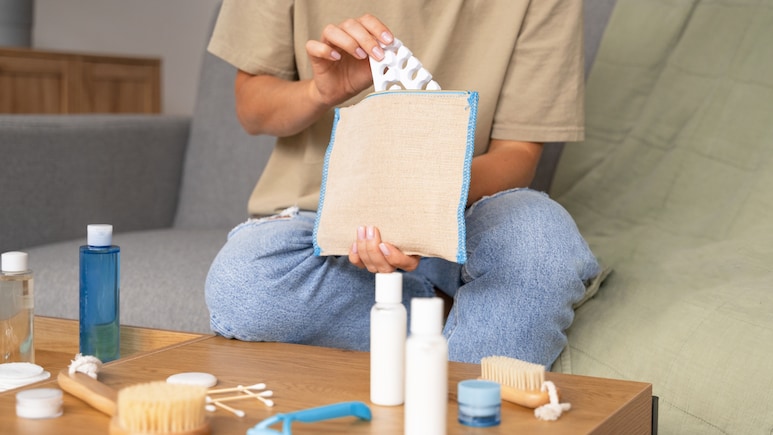
- Holi colours may cause skin allergies; apply oil and use herbal colours for protection
- Protect eyes with sunglasses and rinse immediately if colour enters the eyes
- Keep a first aid kit and allergy medications handy for minor injuries and reactions
Holi is a colourful celebration that involves outdoor get-togethers, water, colour, and sweets. Even while it's a time for happiness and family time, there are certain health risks that families may face. Long-term sun exposure can cause dehydration, synthetic colours include harmful chemicals which may cause respiratory issues, and itchy skin
Assembling a basic Holi health kit ahead of time will help minimise minor problems from becoming serious medical crises. Before going out to celebrate, every family should review this doctor-recommended checklist.
1. Essentials of Skin Protection: Avoiding Allergies and Rashes
Heavy metals, synthetic chemicals, and industrial dyes are present in many commercially sold Holi colours. Youngsters and those with delicate skin diseases like psoriasis or eczema, should take extra precautions as these compounds can irritate and damage the skin barrier.
What to include in your kit:
- Coconut oil or mustard oil
- A thick, fragrance-free moisturiser
- Herbal or plant-based colours
- Calamine lotion or soothing aloe vera gel
Before playing Holi, apply oil to the skin and hair to create a protective layer that minimises the absorption of colour. Wash lightly with lukewarm water and mild soap after celebrations. Steer clear of chemical removers and vigorous scrubbing since they may worsen skin damage.
Keep an eye out for warning indicators such as burning, blistering, swelling, redness, or persistent itching. See a dermatologist if your symptoms don't get better in a day.
2. Eye Safety Kit : Avoiding Damage and Irritation
During Holi, the eyes are especially at risk. Particles of fine colours can very easily go into the eyes, resulting in irritation, watering, and redness. Corneal abrasion, or scratching of the eye surface, can happen in certain situations.
What to include in your kit:
- Protective sunglasses
- Sterile saline solution or clean water for flushing
- Clean cotton cloth or sterile gauze
Rinse your eyes right away with clean water for ten to fifteen minutes if any colour gets in them. Rubbing your eyes increases the chance of harm, therefore avoid doing so. Don't self-medicate with random eye drops. If you have discharge, light sensitivity, blurred vision, or chronic pain, get medical help.
3. Reducing Inhalation Risks with Respiratory Protection
Dry gulal powders have the potential to irritate the respiratory system by hanging in the air. People who suffer from bronchitis, asthma, allergies, or chronic obstructive pulmonary disease (COPD) are especially vulnerable.
What to include in your kit:
- Face masks or scarves
- Prescribed inhalers (if applicable)
- Antihistamines (as advised by a doctor)
A person should get to a well-ventilated environment right away if they start coughing, wheezing, chest tightness, or breathing difficulties. As advised, use prescription inhalers. Severe respiratory distress demands immediate medical attention. Airborne exposure can be considerably decreased by playing in open areas and favouring wet colours over dry powders.
4. Hydration and Sun Protection: Preventing Heat-Related Illness
Holi festivities usually involve spending a lot of time outside. Dehydration and heat exhaustion are caused more likely by prolonged sun exposure and physical exercise.
What to include in your kit:
- Drinking water bottles
- Oral rehydration salts (ORS) or electrolyte solutions
- Broad-spectrum sunscreen (SPF 30 or higher)
- A cap or scarf for sun protection
Dry mouth, increased thirst, exhaustion, headache, and dizziness are early indicators of dehydration. Confusion, fainting, or a fast heartbeat are examples of more serious symptoms.
Encourage drinking water on a regular basis, even if you don't feel thirsty. Avoid playing during the hottest hours of the day (12 PM to 3 PM) and take rests in shady spots.
5. Basic First Aid and Allergy Management
During celebrations, minor wounds, slips, or allergic reactions may happen. Basic medical supplies should be easily accessible to avoid fear and enable prompt care.
What to include in your kit:
- Adhesive bandages
- Antiseptic solution
- Prescribed antihistamines
- Pain relief medication (as advised)
People with known allergies should always have their prescription drugs on hand. People who suffer from long-term conditions like diabetes or heart disease should keep their regular medications on hand and keep a tight eye on their health, particularly if they are eating sweets.
Also Read: Holi And Season Change: Doctor Shares Tips To Celebrate While Keeping Cold, Flu And Infections Away
6. Food and Hygiene Safety
Holi is incomplete without festive snacks and beverages. Digestive problems, however, might be brought on by inappropriate meal preparation or excessive alcohol or bhang (cannabis) usage.
Warning signs include:
- Vomiting
- Diarrhoea
- Stomach cramps
- Dizziness, or confusion
Encourage families to drink clean water, wash their hands, and eat freshly cooked food. When it comes to holiday drinks, caution is essential.
Celebrate with Awareness
A Holi health kit doesn't have to be expensive. One can greatly lower health risks with a few preventive supplies and knowledge of early warning indicators. Families can make sure that Holi stays a celebration of colour and joy rather than a medical emergency by planning ahead and paying close attention to signs like breathing difficulties, severe rashes, eye pain, or dehydration.
(By Dr. Hari Kishan Boorugu, Consultant Physician & Infectious Disease Specialist, Yashoda Hospitals, Hyderabad)
Disclaimer: The opinions expressed within this article are the personal opinions of the author. NDTV is not responsible for the accuracy, completeness, suitability, or validity of any information on this article. All information is provided on an as-is basis. The information, facts or opinions appearing in the article do not reflect the views of NDTV and NDTV does not assume any responsibility or liability for the same.
Track Latest News Live on NDTV.com and get news updates from India and around the world

