
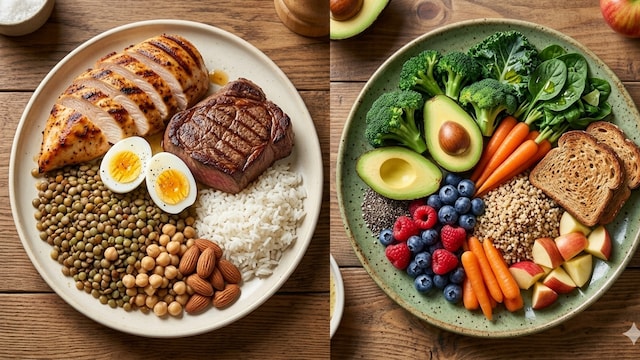
Social media trends significantly influence the diets and eating habits of many users. While recent years have focused heavily on increasing protein intake, there has been a recent shift towards incorporating more fibre into diets. This new trend highlights the importance of including a variety of high-fibre foods, such as fruits, vegetables, legumes, and whole grains. As a result, discussions have emerged about the importance of prioritising one over the other. However, protein and fibre are complementary nutrients that serve distinct and essential functions.
Protein vs fibre: What should you choose?
Understanding the importance of protein and fibre
Fibre plays a crucial role in digestive health. It aids in maintaining gut health by promoting regular bowel movements, helping to prevent constipation, and supporting a healthy microbiome. Furthermore, fibre helps regulate blood sugar levels, makes you feel fuller for longer, and can lower cholesterol levels, significantly reducing the risk of heart disease.
On the other hand, protein is vital for muscle repair, growth, and overall bodily functions. It's necessary for the production of enzymes and hormones and helps maintain healthy skin and hair. Enough protein intake is especially important for those engaged in regular physical activity or looking to build muscle mass.
In short, you should not choose one over the other. It's important to understand that focusing solely on one of these nutrients, whether it be prioritising protein over fibre or vice versa, can lead to imbalances. A high-protein diet can sometimes result in inadequate fibre intake, which can lead to digestive issues. Conversely, an excessive emphasis on fibre without enough protein might halt muscle recovery and growth, particularly for those who lead an active lifestyle.
Tips for a balanced Intake of fibre and protein
1. You can hit both targets simultaneously by incorporating whole foods that naturally offer a healthy dose of both nutrients. Aim to include a mix of protein sources such as legumes, lean meats, dairy, fish, and nuts alongside a diverse range of fibre-rich foods. This ensures that you're not only consuming protein for muscle but also nourishing your gut.
2. When preparing meals, combine protein and fibre in each dish. For example, pair grilled chicken with quinoa and a side of roasted vegetables or mix lentils into a vegetable stew.
3. If you're not used to consuming high-fibre foods, start slowly to prevent digestive discomfort. Gradually increase your intake of fruits, vegetables, and whole grains.
4. Drinking enough water is essential, especially when increasing fibre intake. This helps your digestive system handle the extra fibre efficiently.
5. Choose snacks that contain both protein and fibre, such as yoghurt with berries, a handful of nuts, or hummus with carrot sticks.
By recognising the unique benefits of both protein and fibre and finding a way to balance them in your diet, you can support your muscle health and gut health simultaneously.
Disclaimer: This content including advice provides generic information only. It is in no way a substitute for a qualified medical opinion. Always consult a specialist or your own doctor for more information. NDTV does not claim responsibility for this information.