

)
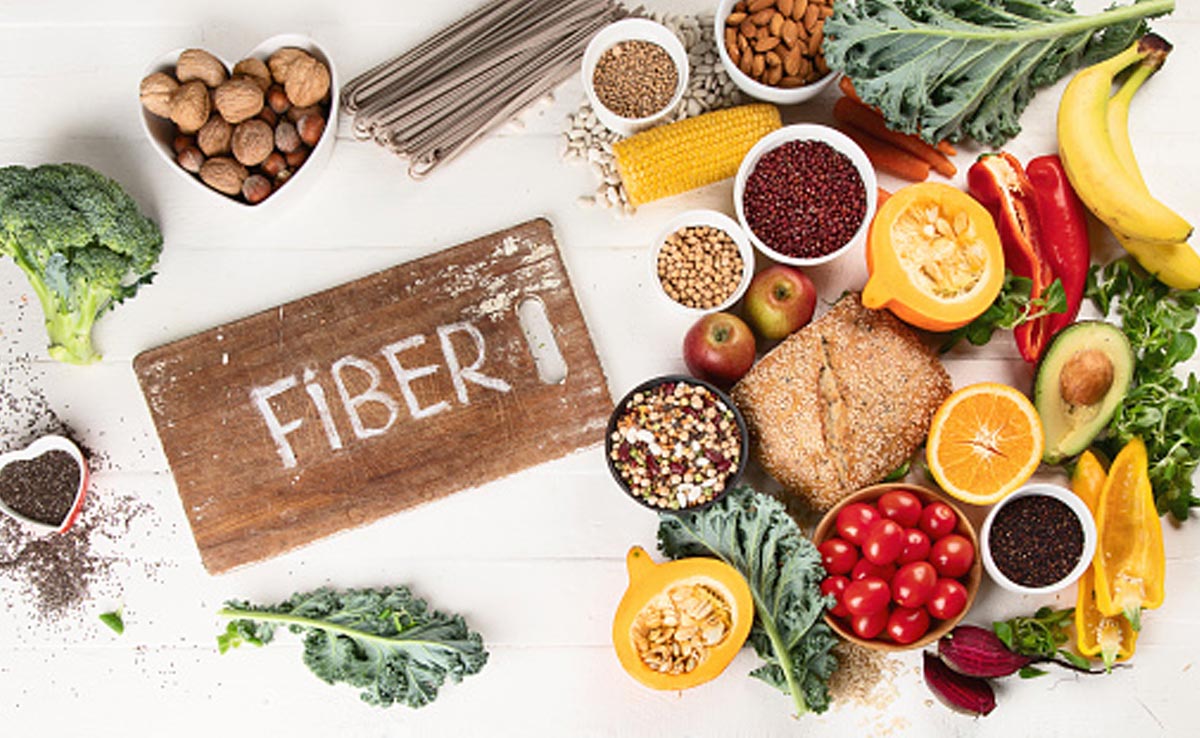
In the past year, the term “fibremaxxing” has been gaining traction across nutrition circles and social media. At its core, fibremaxxing simply means intentionally increasing daily dietary fibre intake by prioritising fibre-rich foods in every meal. Dietary fibre plays a key role in digestion, blood sugar regulation, cholesterol control, gut microbiome diversity, and even long-term heart and metabolic health. Despite this, multiple population studies show that most adults consume less than half of the recommended fibre intake. Fibremaxxing, when done correctly, can help bridge this gap. However, aggressively increasing fibre without understanding the dos and don'ts can also lead to bloating, discomfort, nutrient malabsorption, and poor adherence. Here's how to increase fibre intake safely and effectively.
Dos And Don'ts To Consider If You're Trying To Up Your Fibre Intake
1. Do increase fibre gradually, not overnight
One of the biggest mistakes people make while fibremaxxing is doubling their fibre intake overnight. The gut microbiome needs time to adapt to increased fibre fermentation. Sudden spikes can trigger gas, bloating, cramps, and loose stools. Research from the NIH suggests that a gradual increase over 2–3 weeks allows digestive enzymes and gut bacteria to adjust smoothly.
2. Don't ignore water intake
Fibre absorbs water and adds bulk to stool. Without adequate hydration, high fibre intake can worsen constipation instead of relieving it. Fibre works best when paired with sufficient fluids. Adults increasing fibre should consciously increase water intake, especially in hot Indian climates, to support smooth digestion and bowel movements.
3. Do focus on whole foods over supplements
Whole foods like fruits, vegetables, legumes, nuts, seeds, and whole grains provide a combination of soluble and insoluble fibre along with vitamins, minerals, and plant compounds. Research from NIH shows that fibre from whole foods supports better gut microbial diversity compared to isolated fibre supplements.
4. Don't rely only on one fibre source
Fibremaxxing is not about eating large quantities of just oats or salads. Different fibre types serve different functions like soluble fibre helps control blood sugar and cholesterol, while insoluble fibre supports gut motility.
5. Do include traditional Indian fibre-rich foods
Indian diets already include several natural fibre sources such as whole dals, chana, rajma, sabzi, millets, seeds, and fermented foods. Traditional eating patterns offer a diverse fibre spectrum when minimally processed. Fibremaxxing works best when aligned with cultural food habits rather than imported diet trends.
6. Don't fear natural carbohydrates
Many people trying to fibremaxx avoid fruits or whole grains due to carb fear. However, fibre-rich carbohydrates actually improve insulin sensitivity and support weight management. Removing these foods can reduce fibre intake dramatically and disrupt metabolic health.
7. Do read labels when choosing packaged foods
Packaged foods often claim to be “high fibre” but may contain refined fibres or excessive additives. Ideally, fibre should come from whole food ingredients like whole wheat, oats, seeds, or legumes not just added isolates.
8. Don't overdo raw fibre if digestion is sensitive
While raw salads and fruits are fibre-rich, excessive raw fibre can be harsh on sensitive guts. Studies on gut health suggest lightly cooking vegetables improves fibre tolerance without reducing benefits. Steamed, sautéed, or pressure-cooked vegetables are often easier to digest while still supporting fibre goals.
9. Do balance fibre with adequate protein and fats
Fibremaxxing should not come at the cost of overall nutrition. Research from WHO indicates that meals combining fibre, protein, and healthy fats improve satiety, blood sugar control, and nutrient absorption. A balanced plate also reduces digestive discomfort and supports sustainable eating habits.
10. Don't ignore medical conditions or red flags
Individuals with conditions such as irritable bowel syndrome (IBS), inflammatory bowel disease, or post-surgical digestive issues should not aggressively fibremaxx without guidance. Persistent bloating, pain, or bowel changes should be evaluated by a healthcare professional.
Long-term studies consistently associate higher fibre intake with lower risk of type 2 diabetes, heart disease, colorectal cancer, and obesity. Fibre also feeds beneficial gut bacteria, producing short-chain fatty acids that reduce inflammation and support immune health. However, fibremaxxing is not about extremes, it is about consistent, mindful inclusion of plant foods across meals.
Disclaimer: This content including advice provides generic information only. It is in no way a substitute for a qualified medical opinion. Always consult a specialist or your doctor for more information. NDTV does not claim responsibility for this information.
References
Dietary Fibre and Health Outcomes – World Health Organization (WHO), 2019
Dietary Guidelines for Indians – Indian Council of Medical Research (ICMR), 2020
Dietary Fiber Intake and Human Health – National Center for Biotechnology Information (NCBI), 2018
Fiber and the Gut Microbiome – National Institutes of Health (NIH), 2021
Carbohydrates and Metabolic Health – United States Department of Agriculture (USDA), 2020
Role of Dietary Fibre in Chronic Disease Prevention – National Institutes of Health (NIH), 2019