

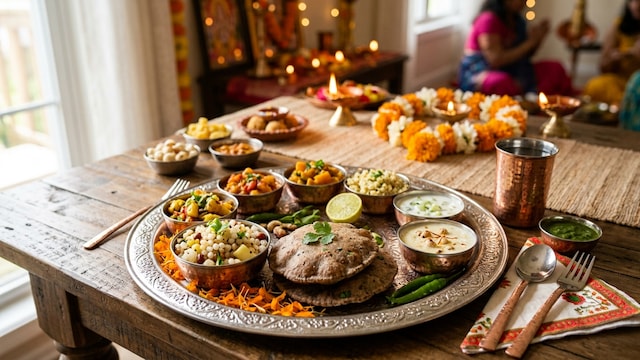
Navratri is a time when many people observe fasts, change their eating habits and enjoy traditional foods made with ingredients such as kuttu ka atta, singhara atta, sabudana, potatoes, fruits and dairy products. However, for people living with diabetes or pre-diabetes, fasting requires additional precautions. Eating too many starchy foods, skipping meals or consuming large portions of fried snacks can make blood sugar management more challenging. A balanced Navratri diet does not have to mean giving up traditional foods. Choosing protein-rich options, including fibre, limiting deep-fried snacks and maintaining regular meal timings can help make fasting more mindful. People who take diabetes medication must also be careful about prolonged fasting, as changes in food intake can increase the risk of low blood sugar. Speaking to NDTV Lifeline, Dt. Jyoti Khaniojh, Department of Dietetics, Max Healthcare, shares dietary tips for people with diabetes and pre-diabetes, including healthier fasting recipes, the importance of protein and precautions to take while exercising during Navratri.
1. Why Should Diabetics Avoid A Potato-Heavy Navratri Diet?
Potatoes, sabudana and other starchy fasting foods are popular during Navratri. However, relying heavily on these foods while neglecting protein can make it harder to maintain a balanced diet and manage blood glucose levels. Khaniojh recommends including protein sources throughout the day rather than making potatoes and other carbohydrate-rich foods the mainstay of every meal. "During Navratras, what happens is a lot of people just, you know, on potatoes and starchy food and all. So they must incorporate protein in their diet," she says. She suggests including milk, paneer, curd and nuts, depending on individual dietary requirements and fasting practices. These foods can help improve the nutritional balance of meals and provide protein and other essential nutrients. For people with diabetes or pre-diabetes, portion sizes and the total carbohydrate content of meals remain important. Even foods traditionally considered suitable for fasting can affect blood glucose levels.
2. Healthier Foods To Include In Your Navratri Diet
Traditional fasting foods can be prepared in ways that reduce excess oil and improve nutritional balance. Instead of relying on deep-fried puris, pakoras and tikkis, people can explore grilled, baked, roasted or shallow-fried alternatives. Khaniojh recommends combining fasting staples with protein-rich foods and vegetables. "For example, you can take vrat ka chawal and ghiya ki sabzi, which is very light on your stomach, and have a lot of curd," she says. She also suggests replacing kuttu ki puri with kuttu ki roti and pairing it with paneer bhurji or paneer gravy. Other options include:
- Paneer and vegetable cutlets: Combine paneer with lauki or other suitable vegetables and shallow-fry them on a non-stick pan.
- Grilled paneer kofta: Prepare paneer koftas without deep-frying and serve them in a simple tomato-based gravy.
- Kuttu or singhara roti: Pair these with paneer preparations and suitable vegetables for a more balanced meal.
- Vrat ka chawal with curd and lauki: Include moderate portions of carbohydrate-rich fasting rice alongside protein-containing foods.
"These things are a little healthier than what we usually eat. Normally, traditionally, there is a lot of fried, fried, fried food, and people enjoy it," Khaniojh says. For people with diabetes, however, healthier cooking methods do not automatically make a dish suitable in unlimited quantities. The portion of vrat ka chawal, kuttu roti, potatoes or sabudana should still be considered as part of the overall meal.
3. Can Diabetics Have Fruits During Navratri Fasting?
Fruits are a common choice during Navratri, especially for people who avoid regular meals. However, people with diabetes should pay attention to portion sizes and avoid consuming large quantities of fruit in one sitting. Khaniojh advises pairing fruit with a small portion of nuts rather than eating it alone. "Whenever you have your fruits, we are ingesting fructose. So we need to add something so that the blood sugar doesn't spike. So you add a little nuts, like have a few peanuts, have a few almonds along with your fruit," she explains. She also recommends avoiding excessive additions to milk-based shakes prepared with nuts and makhana. People who want to add fruit for flavour can use a small quantity rather than blending several fruits together.
For people with diabetes, whole fruit is generally preferable to fruit juice because it retains its fibre. Pairing fruit with nuts may help make a snack more filling, although it does not guarantee that blood glucose will not rise. The amount and type of fruit that works best can vary depending on an individual's glucose levels, medication and overall dietary plan.
4. Why Is Protein Important For People With Pre-Diabetes?
Pre-diabetes means blood glucose levels are higher than normal but have not reached the threshold for diabetes. Dietary habits, physical activity, sleep and weight management can all play a role in reducing the risk of progression to type 2 diabetes. According to Khaniojh, meals should not be dominated by carbohydrates, as is common in many Indian diets. Instead, people should pay attention to protein intake and choose carbohydrate sources that provide more fibre. "In India, what we are doing is we're eating mostly the carbohydrate-rich diet. So each meal should have a protein," she says. She adds, "I normally tell my patients and, you know, the people who are coming in the OPD, eat protein first." Protein-rich foods such as paneer, milk, curd and nuts can be incorporated into a fasting diet, depending on the person's dietary preferences and health needs. Protein should be combined with appropriate portions of carbohydrates, vegetables and other nutrient-rich foods rather than treated as a replacement for an otherwise balanced diet.
Khaniojh also discusses protein requirements in relation to ideal body weight. She cites approximately 0.83 grams per kilogram of ideal body weight for men and 0.8 grams for women as general reference figures. These are not universal targets for every individual, particularly those with kidney disease or other conditions that affect protein requirements.
5. What Should People Who Exercise During Navratri Eat?
People who continue strength training, functional workouts or other forms of exercise while fasting need to pay attention to hydration and adequate food intake. Exercising without sufficient energy or fluids can increase the risk of weakness, dizziness and poor recovery. Khaniojh says that protein intake and hydration are particularly important for people who exercise regularly.
"Again, protein is important. Hydrate well. If you are, like, sweating out a lot, the kind of physical activity you do, so you need to hydrate," she says. For people who exercise, she suggests a protein intake of around 1 to 1.2 grams per kilogram of ideal body weight, while emphasising the importance of meeting individual requirements.
Paneer, milk, nuts and other fasting-compatible foods can help contribute to protein intake. She also mentions whey protein as an option for those who wish to use a supplement and whose fasting practices permit it.
However, protein alone is not enough to support exercise. People who train during Navratri should also consume adequate energy and carbohydrates, adjust workout intensity if necessary and avoid strenuous exercise when feeling unwell or experiencing symptoms of low blood sugar.
Anyone taking diabetes medication should discuss fasting and exercise plans with their treating doctor, as food intake, medication timing and physical activity may need to be adjusted.
6. Is Water-Only Fasting Safe For Diabetics?
Water-only fasting and other highly restrictive fasting practices can be risky for people with diabetes, particularly those taking insulin or certain glucose-lowering medicines. Going for prolonged periods without food can increase the risk of hypoglycaemia, or low blood sugar, while dehydration can cause additional problems. Khaniojh advises people with diabetes against following strict fasting regimens. "Not for diabetic," she says when asked whether water-only fasting is advisable. She adds that people taking medication or those with kidney problems should not follow such restrictive regimes without appropriate medical advice. "They are on medication, they should follow their medication and they need to eat as per their regular meals," she says.
People should never stop, skip or change prescribed medication doses simply because they are fasting. They should speak to their treating doctor before Navratri to discuss whether fasting is appropriate and whether medication or meal timings require adjustment.
7. How Many Meals Should Diabetics Eat During Navratri?
Some people observing Navratri eat only one meal a day, consuming little more than tea, milk or fruit before dinner. For people with diabetes, this approach can be particularly concerning when combined with glucose-lowering medication. Khaniojh recommends avoiding prolonged gaps between meals and maintaining a more regular eating pattern.
"For diabetics, it's important to have two meals at least if they're fasting, like one breakfast and one dinner, and in between, they can have a mini fruit snack or a shake kind of a thing," she says. The exact meal pattern should be individualised according to medication, blood glucose readings, activity levels and the person's overall health. Some people may require more frequent meals or snacks, while others may have different recommendations from their treating clinician.
People should also know the warning signs of hypoglycaemia, which can include sweating, trembling, dizziness, palpitations, hunger and confusion. Anyone experiencing suspected low blood sugar should follow their prescribed hypoglycaemia management plan rather than continue fasting. Navratri fasting can be adapted to accommodate healthier eating habits, but people with diabetes and pre-diabetes need to approach it carefully. Including protein in meals, controlling portions of starchy fasting foods, choosing whole fruits over juices, limiting deep-fried snacks and maintaining hydration can help improve the nutritional quality of the diet. For people with diabetes, particularly those taking medication or living with kidney disease, the priority should be safe fasting rather than strict adherence to restrictive dietary practices. Consulting a doctor or registered dietitian before beginning a fast can help ensure that religious observances do not compromise blood sugar control or overall health.
Disclaimer: This content including advice provides generic information only. It is in no way a substitute for a qualified medical opinion. Always consult a specialist or your own doctor for more information. NDTV does not claim responsibility for this information.