

)
Eating only salad for dinner may sound like an easy way to lose weight, but is a bowl of cucumber, tomato and lettuce really enough to support healthy, sustainable weight loss? While salads can be an excellent part of a weight-loss diet, experts say eating only vegetables without adequate protein, healthy fats and other essential nutrients may do more harm than good. According to Dr. Nishant Raizada, HOD, Endocrinology, Amrita Hospital, Faridabad, weight loss is not simply about eating fewer calories. A well-balanced dinner is important to preserve muscle, manage hunger and support metabolic health while losing weight.
Can Eating Salad For Dinner Help You Lose Weight?
Salad can certainly be part of a healthy weight-loss meal, particularly when it is rich in vegetables and fibre. Foods such as cucumber, tomato, lettuce and other vegetables add bulk to the meal while generally being low in calories. However, eating a bowl consisting only of vegetables may leave the body short of important nutrients, particularly protein. This can become a concern when someone is following a calorie-restricted diet for a prolonged period. "Salad for dinner can help with weight loss, but only with a well-planned meal. Cucumber, tomato and lettuce may look healthy in a bowl, but often it's nutritionally incomplete," says Dr. Raizada.
Why Is Protein Important During Weight Loss?
Protein plays an important role in maintaining muscle mass. When calorie intake is reduced significantly and protein intake remains low, the body can lose muscle along with body fat. "You could lose muscle along with fat if you drop your caloric intake quickly and keep protein low. Over time, this can lower your metabolism and make it harder to keep your weight where you want it," explains Dr. Raizada. Maintaining muscle is particularly important during weight loss because muscle tissue contributes to strength, mobility and overall metabolic health.
How To Turn A Salad Into A Complete Dinner
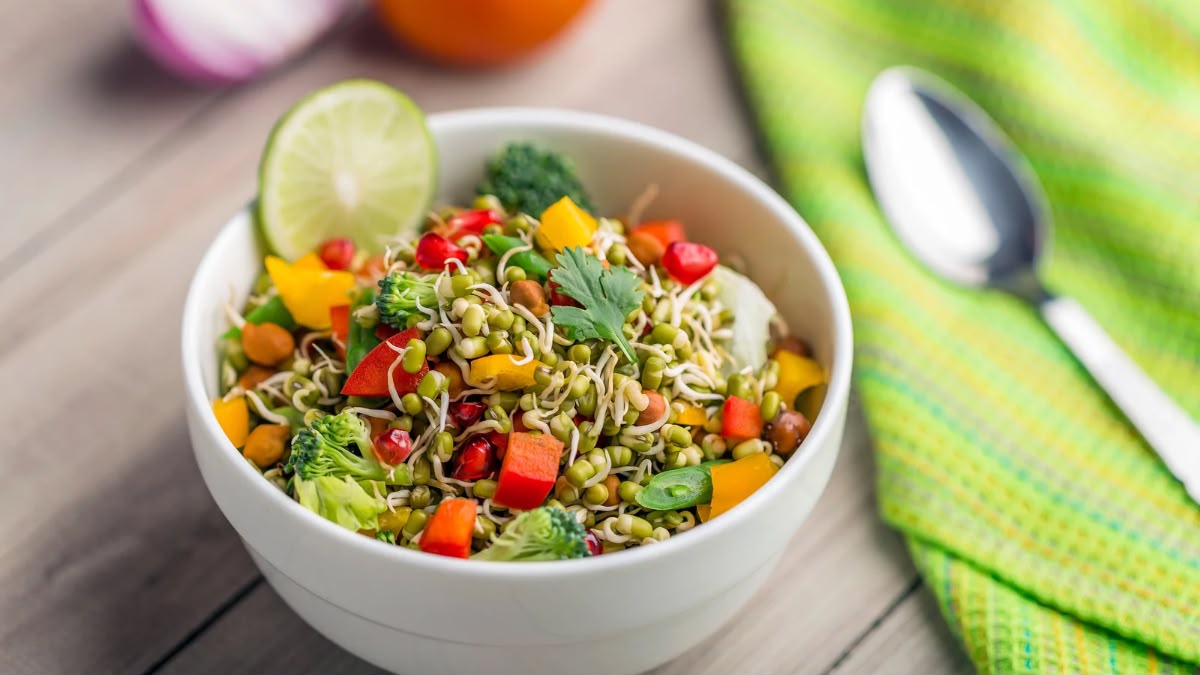
Instead of eating plain vegetables, experts recommend turning the salad into a balanced meal by adding a good source of protein. Depending on dietary preferences, options can include paneer, tofu, eggs, chicken, fish, curd or pulses. Adding a small amount of healthy fat, such as nuts, seeds or olive oil, can also improve satiety and make the meal more satisfying. Vegetables provide fibre and volume, which can help control hunger, while protein helps keep you fuller for longer. A balanced salad could therefore include plenty of vegetables, a protein source and a modest amount of healthy fat rather than just a bowl of raw vegetables.
Beware Of High-Calorie Salad Toppings
A salad may appear healthy, but its calorie content can increase significantly depending on what is added to it. Mayonnaise, creamy dressings, large amounts of cheese, fried toppings and sugary sauces can add considerable calories without providing the same nutritional benefits as vegetables and lean protein. Therefore, choosing simple dressings and keeping portions of calorie-dense toppings under control is important if weight loss is the goal.
Can Salad Help People With Diabetes?
A balanced salad may also be useful for people with diabetes, insulin resistance or obesity because vegetables and fibre can help support better post-meal blood sugar control. However, completely eliminating carbohydrates is not necessary for everyone. "People should also be cautious with dressings. Mayonnaise, creamy sauces, cheese, and fried toppings can add many more calories than a normal dinner," says Dr. Raizada. He adds that people with diabetes and insulin resistance or obesity may benefit from a balanced salad, but this does not mean they need to eliminate carbohydrates completely. The type and quantity of carbohydrates should instead be tailored to individual health needs, activity levels and overall dietary pattern.
Is Eating Only Salad At Night A Good Weight-Loss Strategy?
Not necessarily. Weight loss depends largely on the overall calorie balance and quality of the diet rather than simply eating a particular food at dinner. A very restrictive dinner may initially reduce calorie intake, but if it leaves someone hungry or nutritionally unsatisfied, it may be difficult to sustain. This can eventually lead to overeating or poor food choices later.
A sustainable weight-loss diet should provide adequate protein, fibre, healthy fats and essential nutrients while maintaining an appropriate calorie deficit.
"The question isn't if salad helps you lose weight. What matters is that the dinner is balanced, filling and sustainable. A hearty salad helps to burn fat. A bowl of leaves alone usually can't," says Dr. Nishant Raizada. Salad can be a smart addition to a weight-loss plan, but it should not be treated as a complete meal unless it provides adequate nutrition. Pairing vegetables with protein, healthy fats and appropriate portions of carbohydrates can make dinner more satisfying while supporting muscle health and sustainable weight management.
Disclaimer: This content including advice provides generic information only. It is in no way a substitute for a qualified medical opinion. Always consult a specialist or your own doctor for more information. NDTV does not claim responsibility for this information.