

)
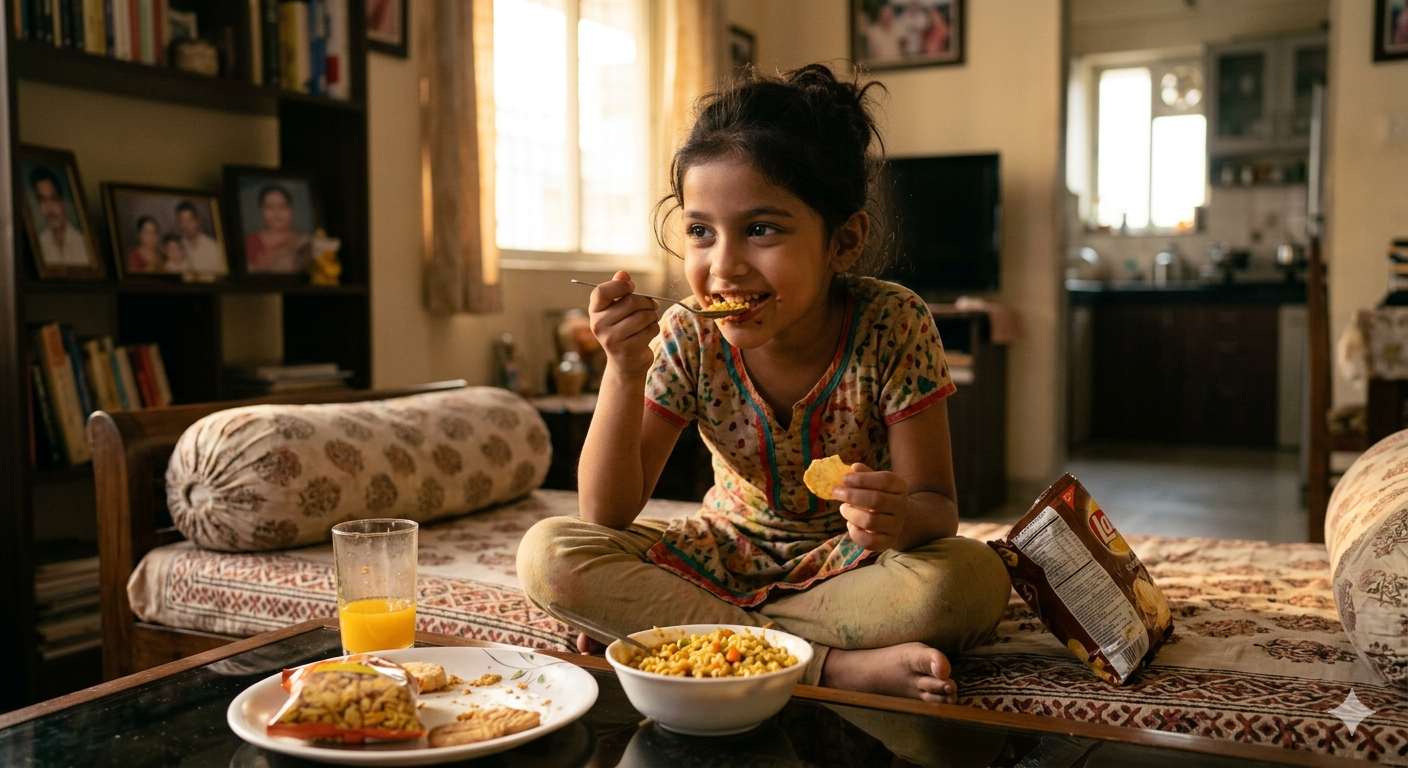
There has been a rise in cases of obesity, diabetes, high blood pressure and other lifestyle-related diseases in India. According to recent reports, 254 million people in India live with general obesity and 351 million with abdominal obesity. A growing number of children too are living with obesity. One of the major reasons for this rise is the increasing consumption of foods and drinks that are high in sugar, salt, and unhealthy fats. Junk food and sugary drinks are easily available, which are contributing to poor health, especially among children and teenagers. The rise in cases of obesity and other conditions has led to discussions on whether India should introduce a health tax on junk food and sugary drinks.
Recently, the Indian Council of Medical Research-National Institute of Nutrition (ICMR-NIN)-led "Let's Fix Our Food" Consortium released a policy document recommending stronger measures to promote healthier eating habits. One of its key suggestions is a health tax on sugary drinks and certain unhealthy foods. But can such a tax really improve public health? Here's what you should know.
What Is A Health Tax?
A health tax is an extra tax added to products that are considered harmful to health when consumed regularly. These may include sugar-sweetened beverages, sweets, confectionery, and foods that are high in fat, salt, and sugar (HFSS).
The idea is simple: when unhealthy products become more expensive, people may buy them less often. At the same time, the money collected through the tax can be used to support public health programmes, awareness campaigns, or nutrition initiatives.
Why Is India Considering It?
According to the ICMR-NIN policy document, India is facing a growing burden of childhood obesity and diet-related diseases. Nearly 41 million children aged 5-19 years are living with overweight or obesity, and the numbers are expected to rise if eating habits do not improve. The policy recommends creating healthier food environments instead of relying only on individual choices.
The report suggests that better policies, including taxation, clearer food labels, restrictions on junk food marketing, and healthier school food environments, could help reduce the risk of obesity and related diseases among children and adolescents.
What Has Been Proposed?
The policy brief recommends:
- Adding a 20% to 30% health tax on sweets and confectionery, over and above the existing GST.
- Adding a 22% to 32% health tax on sugar-sweetened beverages.
According to the estimates in the report, these measures could reduce demand for unhealthy products while also increasing government revenue. However, the report also stresses that taxation alone is not enough and should be combined with other public health measures.
Dr M. Srinivas, Member (Health), NITI Aayog, said, "Evidence-based, multisectoral policy action is essential to create healthier food environments for children and adolescents. Collaborative initiatives such as the Let's Fix Our Food Consortium are important for addressing the growing burden of overweight, obesity and diet-related non-communicable diseases in India."
How Can A Health Tax Help?
1. It May Reduce Consumption
Price often influences buying decisions. If sugary drinks and junk food become more expensive, many people may choose healthier alternatives or reduce how often they consume them.
2. It Could Encourage Healthier Products
Manufacturers may reduce the sugar, salt, or fat content in their products to avoid higher taxes or remain competitive. Similar changes have been seen in some countries after taxes on sugary drinks were introduced.
3. It Can Raise Money For Public Health
Revenue generated from a health tax could be used to improve nutrition programmes, support obesity prevention campaigns, strengthen school health initiatives, and make healthier foods more accessible.
4. It Supports Long-Term Disease Prevention
Reducing the intake of unhealthy foods may lower the risk of obesity, type 2 diabetes, heart disease, and other non-communicable diseases over time.
Will A Health Tax Alone Solve The Problem?
No, experts say that while a health tax can be an important step, it works best as part of a broader strategy. The ICMR-NIN policy document recommends combining taxation with:
- Easy-to-understand front-of-pack nutrition labels
- Restrictions on advertising unhealthy foods to children
- Healthier food choices in and around schools
- Incentives for companies to reformulate products
- Better access to affordable fruits and vegetables
- Regular review of tax rates
These measures together can create an environment where healthier choices become easier for families. Dr Bharati Kulkarni, Director, ICMR-NIN, said, "ICMR-NIN is committed to generating high-quality evidence and fostering partnerships that translate research into public health action. The policy recommendations reflect the collective efforts of researchers, policymakers, development partners and young people working towards healthier food environments for India's future generations."
Marie-Claude Desilets, Chief of Nutrition, UNICEF India, said, "Malnutrition is no longer only about undernutrition. Rising obesity, driven by unhealthy diets, challenges healthy growth among children and adolescents. The release of these ten policy briefs and the Nutrition Environment Assessment Toolkit for Schools (NEAT-S) marks a step towards creating policies for healthier school food environments. Every child has the right to grow up in a food environment that enables them to thrive, learn and achieve their full potential."
Disclaimer: This content including advice provides generic information only. It is in no way a substitute for a qualified medical opinion. Always consult a specialist or your own doctor for more information. NDTV does not claim responsibility for this information.