

)
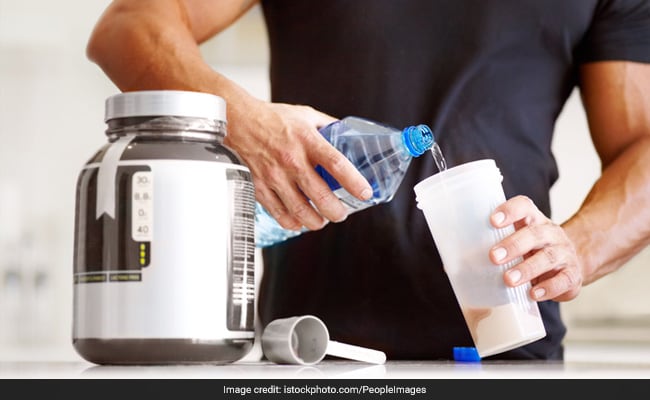
You finish your workout, grab your protein shake and rush to drink it before the much-talked-about "30-minute anabolic window" closes. But do you really need to consume protein within exactly 30 minutes of exercising to build muscle? The short answer is no. While protein is important for muscle repair and growth, the idea that you must consume it within a strict 30-minute window is an oversimplification. What matters more is your total daily protein intake, the quality of your diet and how consistently you train. Resistance training creates a stimulus that encourages the body to repair and adapt muscle tissue. During this process, amino acids from dietary protein are used to support muscle protein synthesis the process through which the body builds and repairs muscle.
What Happens To Your Muscles After A Workout?
Eating adequate protein around your workout can support this process, but it does not mean that your muscles suddenly stop benefiting from protein once 30 minutes have passed. The body continues to respond to exercise for hours after a workout, which is why your overall nutrition throughout the day matters more than rushing to drink a shake immediately after your final set.
Is There Really A 30-Minute Anabolic Window?
The idea of a narrow post-workout "anabolic window" has become popular in fitness culture. However, muscle protein synthesis does not switch off after 30 minutes. The timing of your previous meal, the intensity of your workout, your total protein intake and your individual nutritional needs can all influence how important post-workout protein timing is.
If you ate a protein-rich meal a couple of hours before exercising, there is generally less reason to panic about getting protein immediately after your workout.
How Much Protein Do You Need?
For people who regularly perform resistance training, getting enough protein across the entire day is more important than obsessing over one post-workout meal. A commonly used range for exercising individuals is around 1.4-2.0 grams of protein per kilogram of body weight per day, although individual requirements can vary depending on age, body composition, training goals, overall diet and health conditions.
Instead of concentrating your protein intake into one meal, spreading it across several meals can be a practical strategy for supporting muscle repair and growth.
What If You Can't Eat Immediately After Exercise?
There is no need to worry if you cannot have a protein shake as soon as your workout ends. You can have a normal protein-rich meal later. Eggs, chicken, fish, paneer, curd, milk, tofu, soy, lentils and other protein-rich foods can all contribute to your daily intake. The protein shake is simply a convenient option it is not a requirement for muscle growth.
Does Eating Protein Before A Workout Matter?
Your pre-workout meal can also contribute to recovery. If you have consumed adequate protein before exercising, amino acids are already available to your body during and after the workout. This is another reason why focusing only on the minutes immediately after exercise can be misleading.
For people who train early in the morning or exercise several hours after their previous meal, having protein relatively close to the workout may be more useful.
What About Carbs After A Workout?
Protein isn't the only nutrient that matters after exercise. Carbohydrates help replenish muscle glycogen, the stored form of carbohydrate that muscles use for energy. This becomes particularly important for people who train frequently, perform long or intense workouts or have another training session soon afterward. A balanced post-workout meal containing protein and carbohydrates can therefore be more useful than focusing exclusively on a protein shake.
What Matters More Than The 30-Minute Rule?
If your goal is muscle growth, strength or better body composition, focus on the bigger picture.
- Prioritise adequate daily protein: Make sure your overall diet provides enough protein for your body and training goals.
- Train consistently: Progressive resistance training provides the stimulus required for muscle growth.
- Eat enough overall: Extremely aggressive calorie restriction can make it harder to build or preserve muscle.
- Get enough sleep: Recovery is an essential part of training adaptation.
- Spread protein through the day: Include a good protein source in your main meals rather than relying on a single shake.
- Choose nutritious foods: A balanced diet provides carbohydrates, healthy fats, vitamins, minerals and fibre in addition to protein.
So, When Should You Have Protein After A Workout?
There is nothing wrong with having protein within 30 minutes of exercising if it is convenient for you. However, there is also no need to panic if you miss that window. For most people, the priority should be meeting their daily protein needs and maintaining a consistent training and recovery routine. The post-workout shake can be useful, but it is not a stopwatch-based requirement. Your muscles care much more about consistent training, adequate nutrition and recovery than whether you drank your protein exactly 30 minutes after your workout.
The "30-minute protein window" is more complicated than social media fitness advice often suggests. Protein after exercise can support muscle recovery, but muscle growth depends on your overall protein intake, resistance training, calorie intake, sleep and recovery. So, if you finish your workout and don't have a protein shake immediately, don't stress. You haven't suddenly lost your chance to build muscle. Focus on what you eat and do consistently across the entire day and over the long term.
Disclaimer: This content including advice provides generic information only. It is in no way a substitute for a qualified medical opinion. Always consult a specialist or your own doctor for more information. NDTV does not claim responsibility for this information.