

)
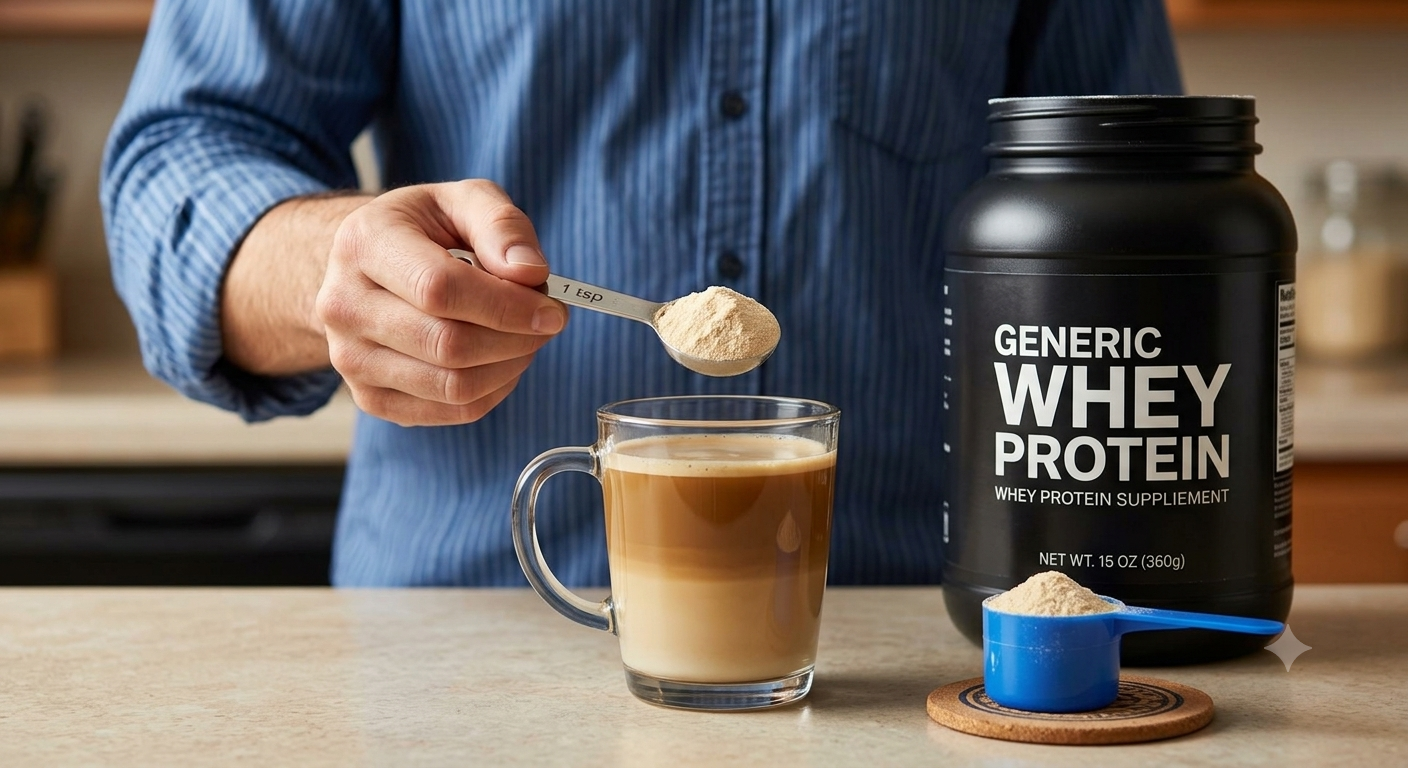
Protein has become the nutrient of the moment. From protein coffee and protein chips to shakes after every workout, many Indians are trying to increase their intake in the hope of building muscle, losing weight or simply eating healthier. But can too much protein actually backfire? Recently, actor and politician Kangana Ranaut's recent social media story about the rising incidence of cancer among people under 50 has sparked a wider conversation around diet, lifestyle and the growing popularity of protein supplements. While discussing ways to reduce cancer risk, Ranaut reportedly highlighted the need to limit ultra-processed foods and avoid overusing protein shakes. The comments have raised an important question among fitness enthusiasts: Can consuming too much protein, particularly through shakes and supplements, increase health risks? Experts say protein is an essential nutrient and is not inherently harmful. However, consuming more than the body needs may be unnecessary, particularly when most nutritional requirements are already being met through a balanced diet.
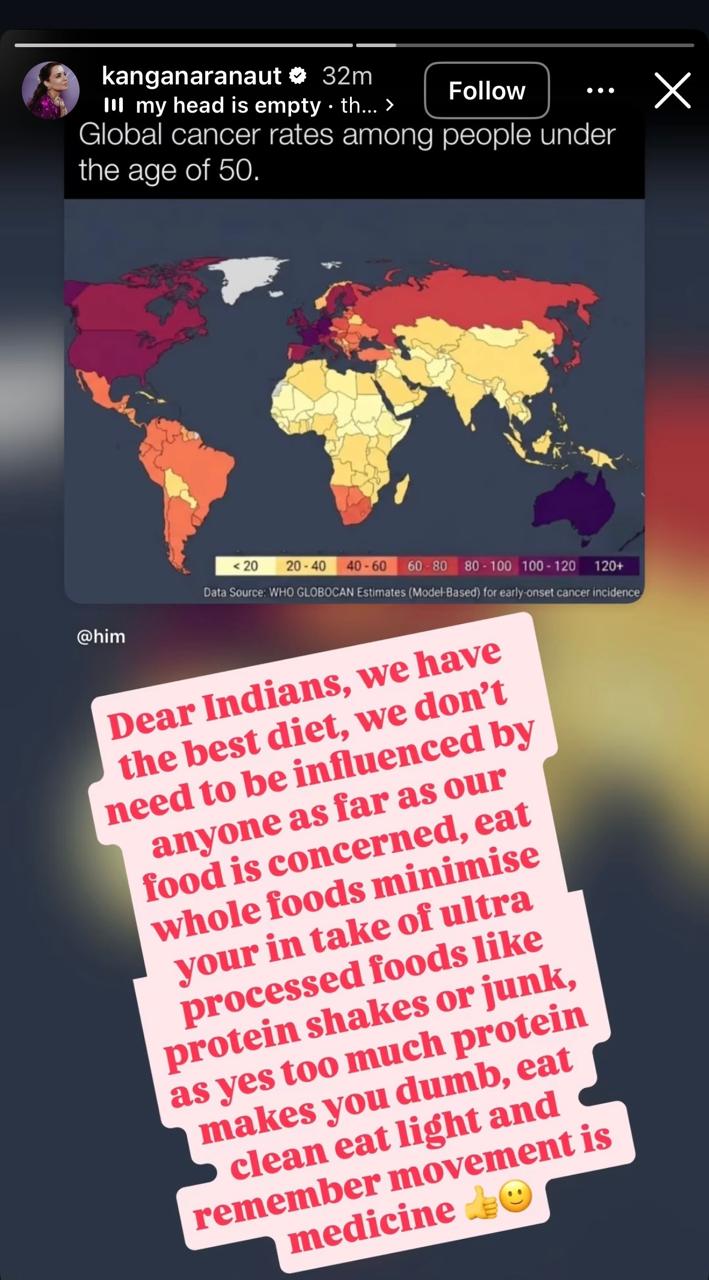
Kangana Ranaut's Viral Cancer Story
Photo Credit: Instagram
Is Protein Bad For Your Health?
Protein is an essential macronutrient required for muscle repair, tissue maintenance, hormone production and immune function. It is found naturally in foods such as eggs, fish, chicken, dairy products, pulses, beans, nuts and seeds.
For people who exercise regularly, protein is especially important because it supports muscle recovery and maintenance. However, increasing protein intake indefinitely does not automatically translate into better health or greater muscle growth. According to Priya Palan, Dietician, Zen Multi Speciality Hospital, Chembur, protein is necessary for a healthy diet, but excessive intake is not necessarily beneficial.
Also read: The Dark Side Of Whey? Why Too Much Protein Could Be Risking Your Heart Health
"Protein is not only an essential macronutrient contributing to muscle recovery, but also plays a role in the immune system and hormone production. Excess consumption of protein through protein shakes and other supplements, however, can be unnecessary if your diet is already providing enough protein," says Dietician.
Can Protein Shakes Cause Cancer?
There is currently no established evidence that protein shakes themselves cause cancer. Experts caution against linking cancer risk to one particular food or supplement because cancer is a complex disease influenced by multiple genetic, environmental and lifestyle factors.
The quality of a protein product does, however, matter. Some protein shakes, bars and other fitness products may contain added sugars, excess calories or highly processed ingredients. Regularly consuming such products in large quantities can make it harder to maintain a healthy weight. Obesity itself is associated with an increased risk of several types of cancer. Therefore, the concern is less about protein itself and more about overall dietary quality, excessive calorie intake and unnecessary dependence on processed supplements.
Who Should Be Careful With High Protein Intake?
While protein is generally safe for healthy individuals when consumed in appropriate amounts, people with certain medical conditions may need to be more cautious. Individuals with pre-existing kidney disease may need to modify their protein intake under medical supervision. People with other chronic illnesses should also discuss significant dietary changes with their doctor or dietitian. Taking multiple protein supplements without considering total daily intake can also result in unnecessary consumption.
How Much Protein Do You Actually Need?
Protein requirements vary considerably from one person to another. Factors such as:
- Age
- Body weight
- Physical activity
- Exercise intensity
- Existing medical conditions
- Pregnancy status
- Fitness goals
can influence individual protein requirements. Someone who is physically active or undergoing strength training may require more protein than a sedentary person. However, simply adding several protein shakes to an already protein-rich diet may not provide additional benefits. "Supplements should be used when there is an authentic nutritional need and not simply chasing fitness trends," says Palan.
Also read: 10 Veggies You Must Add To Your Diet If You Want To Lose Belly Fat
Is Food Better Than Protein Supplements?
For most people, protein requirements can be met through a varied and balanced diet. Good sources include:
- Eggs
- Fish
- Chicken
- Milk and yoghurt
- Paneer
- Dal and beans
- Soy and tofu
- Nuts and seeds
Whole foods provide protein along with other important nutrients such as fibre, vitamins, minerals and healthy fats. Protein supplements can be useful in certain circumstances, including when someone has difficulty meeting protein requirements through food alone. However, they should complement a healthy diet rather than replace it.
What Actually Raises Cancer Risk?
Cancer does not have a single cause. Several factors can contribute to the development of the disease, and some are modifiable while others are not. Important risk factors include:
- Tobacco And Alcohol
- Tobacco use is one of the most important preventable causes of cancer. Excessive alcohol consumption can also increase the risk of several cancers.
- Excess Body Weight
Obesity and excess body fat are associated with an increased risk of multiple cancers. Maintaining a healthy weight is therefore an important part of cancer prevention.
Physical Inactivity
A sedentary lifestyle can contribute to obesity, metabolic problems and other conditions associated with cancer risk.
Family History And Genetics
Some people inherit genetic changes that increase their susceptibility to particular cancers. A strong family history may warrant earlier or more frequent screening.
Environmental Exposures
Exposure to certain pollutants, chemicals, radiation and other environmental hazards can also contribute to cancer risk.
Can Lifestyle Changes Lower Cancer Risk?
Although not every cancer can be prevented, healthy lifestyle choices can reduce the risk of several cancers and improve overall health. Experts recommend eating a balanced diet rich in vegetables, fruits, whole grains, legumes and other minimally processed foods. Regular physical activity, maintaining a healthy weight, avoiding tobacco, limiting alcohol and getting recommended cancer screenings are also important.
Staying hydrated and getting adequate sleep can further support overall health, although they should not be viewed as standalone cancer-prevention measures.
Should You Stop Taking Protein Shakes?
If you are healthy and using a protein supplement appropriately to meet a genuine nutritional requirement, there is no reason to assume that protein shakes will cause cancer.
The bigger concern is unnecessary overconsumption. Before adding multiple shakes or supplements to your routine, consider how much protein you are already getting from your regular diet. People with kidney disease, liver disease or other chronic conditions should consult a healthcare professional before substantially increasing protein intake. Kangana Ranaut's comments have renewed an important conversation about the growing popularity of protein supplements, but protein itself should not be treated as a cancer-causing food. Protein is essential for muscle repair, immunity and several vital bodily functions.
The focus should instead be on how much protein you need, where it comes from and whether supplementation is actually necessary. Cancer risk is influenced by a much broader combination of factors, including tobacco, alcohol, obesity, physical inactivity, genetics, family history and environmental exposures. As Palan puts it, "The key to lowering the risk of developing cancer lies in a comprehensive lifestyle change involving a nutritious diet, moderate daily exercise, staying hydrated, maintaining a healthy weight and appropriate screening not simply eliminating one food group or supplement."
Disclaimer: This content including advice provides generic information only. It is in no way a substitute for a qualified medical opinion. Always consult a specialist or your own doctor for more information. NDTV does not claim responsibility for this information.