

)
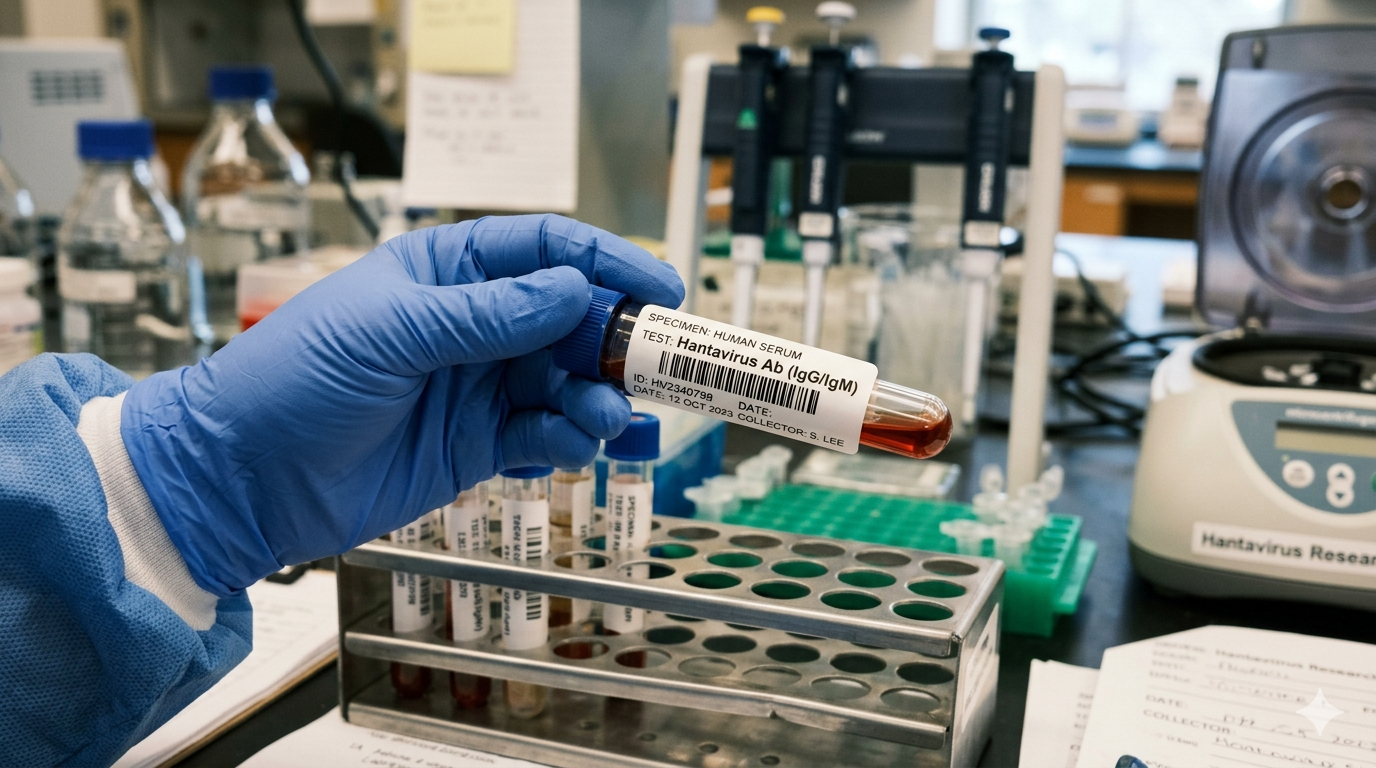
The world is witnessing a growing number of infectious disease outbreaks in 2026, from Ebola clusters in Africa to a global hantavirus scare linked to a cruise ship. Within the subcontinent, Bangladesh has seen measles return like never before. On the Indian front, the nation has seen smaller outbreaks of sporadic bird flu in Chhattisgarh and Karnataka, along with alerts going out for Nipah virus in Kerala as well. While these viruses are not new, experts say the conditions that allow them to spread are becoming increasingly common due to environmental disruption, climate change, expanding human activity, and strained healthcare systems.
Public health specialists warn that outbreaks once considered isolated events are now emerging as part of a larger global health pattern shaped by ecological imbalance and rapid interconnectedness. Scientists are particularly concerned about zoonotic diseases, infections that jump from animals to humans, which account for nearly 75% of emerging infectious diseases globally, according to the World Health Organization (WHO).
Given this scenario, and the panic that set in with the public during the recent hantavirus outbreak on MV Hondius, despite the constant surveillance and tight protocols followed by everyone from the WHO to the Indian Council of Medical Research (ICMR), should Indians expect more of these outbreaks?
Why Experts Say These Outbreaks Are Increasing
According to Dr Mamta Kumari, Chief Microbiologist, Agilus Diagnostics, the growing frequency of outbreaks is closely linked to environmental and behavioural changes. "One of the biggest contributors is climate change, which is altering ecosystems and forcing animals such as rodents, bats, and other wildlife, the natural carriers of many viruses, to migrate into areas closer to human populations," she explains.
Dr Kumari says rising temperatures, irregular rainfall, floods, droughts, and deforestation are increasing the risk of zoonotic spillovers. "Diseases that were once confined to remote geographies are now appearing in new regions due to changing environmental conditions," she adds.
The WHO states that climate change is expanding the range of disease-carrying animals and increasing the risk of infectious disease transmission globally.
Also Read: Whooping Cough To Measles, Old Diseases Are Making A Global Comeback
The Link Between Deforestation And Viral Spillovers
Experts say habitat destruction is one of the strongest drivers behind outbreaks such as Ebola and hantavirus. Dr J. Kirtana, Associate Consultant, Infectious Diseases, Fortis Hospital, Shalimar Bagh, New Delhi, explains that zoonotic spillovers occur when pathogens jump from animal reservoirs to humans.
"When forests are cleared for agriculture, when cities expand into wilderness, and when wildlife is farmed at industrial scale, humans are essentially moving into the living rooms of species that carry pathogens we have never encountered before," she says.
Bats are considered likely natural reservoirs for Ebola and Nipah viruses, while rodents carry hantaviruses. "Bats and rodents do not seek out people. We are increasingly finding them," Dr Kirtana adds.
Research published by the United Nations Environment Programme (UNEP) notes that deforestation, land-use change, and biodiversity loss significantly increase the risk of zoonotic disease emergence.
Climate Change Is Altering Animal Behaviour
Experts say extreme weather patterns are also changing wildlife behaviour in ways that increase transmission risks. Dr Kirtana notes that warming temperatures are shifting the geographic ranges of animals and insects that carry disease. "A growing body of research shows that the majority of known human infectious diseases have, at some point, been worsened by a climate-related hazard," she says.
Similarly, Dr Sarath Chandra Bhrungi, Consultant Interventional Pulmonologist, Gleneagles Aware Hospital, L B Nagar, Hyderabad, says changing rainfall patterns and rising temperatures can cause sudden wildlife migration and population spikes. "For rodents and bats, these ecological disruptions lead to sudden population spikes or force wildlife to migrate into human-populated areas in search of water and agricultural crops, vastly accelerating the rate of cross-species spillovers," he explains.
Global Travel And Better Surveillance
Experts also say outbreaks appear more common today partly because disease detection systems have improved dramatically after Covid-19. "One of the reasons the world is seeing more outbreaks is that scientists have become significantly better at finding them," says Dr Bhrungi. He explains that investments in genomic sequencing and digital disease monitoring systems have improved early outbreak detection.
"Pathogens that once would have caused localised, unexplained illnesses in remote places are now being identified, sequenced, and reported to global networks almost instantly," he says. At the same time, rapid international travel allows infections to spread faster across borders.
"The hantavirus outbreak this month demonstrated exactly that, with passengers from scores of nations requiring coordinated monitoring across borders almost immediately," says Dr Kirtana. The WHO says global mobility and urban crowding significantly increase the speed at which infectious diseases can spread internationally.
Public Health Systems Are Still Recovering
Experts warn that healthcare systems in many countries continue to face strain after the Covid-19 pandemic. Dr Mamta Kumari says shortages of healthcare workers, laboratory gaps, reduced preparedness, misinformation, and vaccine hesitancy are weakening outbreak responses. "This has weakened the ability to detect and contain outbreaks at an early stage," she says.
According to the WHO, strong surveillance systems, rapid diagnostics, vaccination strategies, and coordinated global preparedness remain critical for outbreak prevention.
Why Experts Say Panic Is Not Necessary
Despite rising outbreaks, doctors emphasise that most viruses such as Ebola and hantavirus do not spread as easily as common respiratory infections. Dr Aishwarya R, Consultant - Infectious Diseases, Aster Whitefield Hospital, Bengaluru, says heightened awareness and improved testing are also contributing to the perception of increasing outbreaks.
"A lot of infections that historically were underdiagnosed are now being caught earlier, and even more correctly," she explains. She adds that these outbreaks should encourage preparedness rather than panic. "Most of the infections seem to need very specific exposure pathways, and they usually don't move around as easily as common respiratory viruses do," she says.
Also Read: WHO Declares Ebola Outbreak In Congo A Global Health Emergency; What Makes It So Serious?
What Experts Recommend
Doctors say prevention must focus on a "One Health" strategy that connects human, animal, and environmental health.
Experts recommend:
- Protecting forests and wildlife habitats
- Regulating wildlife trade
- Strengthening disease surveillance
- Improving public health infrastructure
- Expanding rapid diagnostic testing
- Educating communities about hygiene and early symptoms
- Encouraging early medical care after possible exposure
Experts say the growing number of outbreaks in 2026 is not a coincidence but the result of environmental disruption, climate stress, urban expansion, and global interconnectedness. While viruses like Ebola and hantavirus are not new, the conditions enabling them to spread are becoming more common worldwide. Strengthening healthcare systems, protecting ecosystems, improving surveillance, and investing in global cooperation may be critical to preventing future pandemics.
Disclaimer: This content, including advice, provides generic information only. It is in no way a substitute for a qualified medical opinion. Always consult a specialist or your own doctor for more information. NDTV does not claim responsibility for this information.