

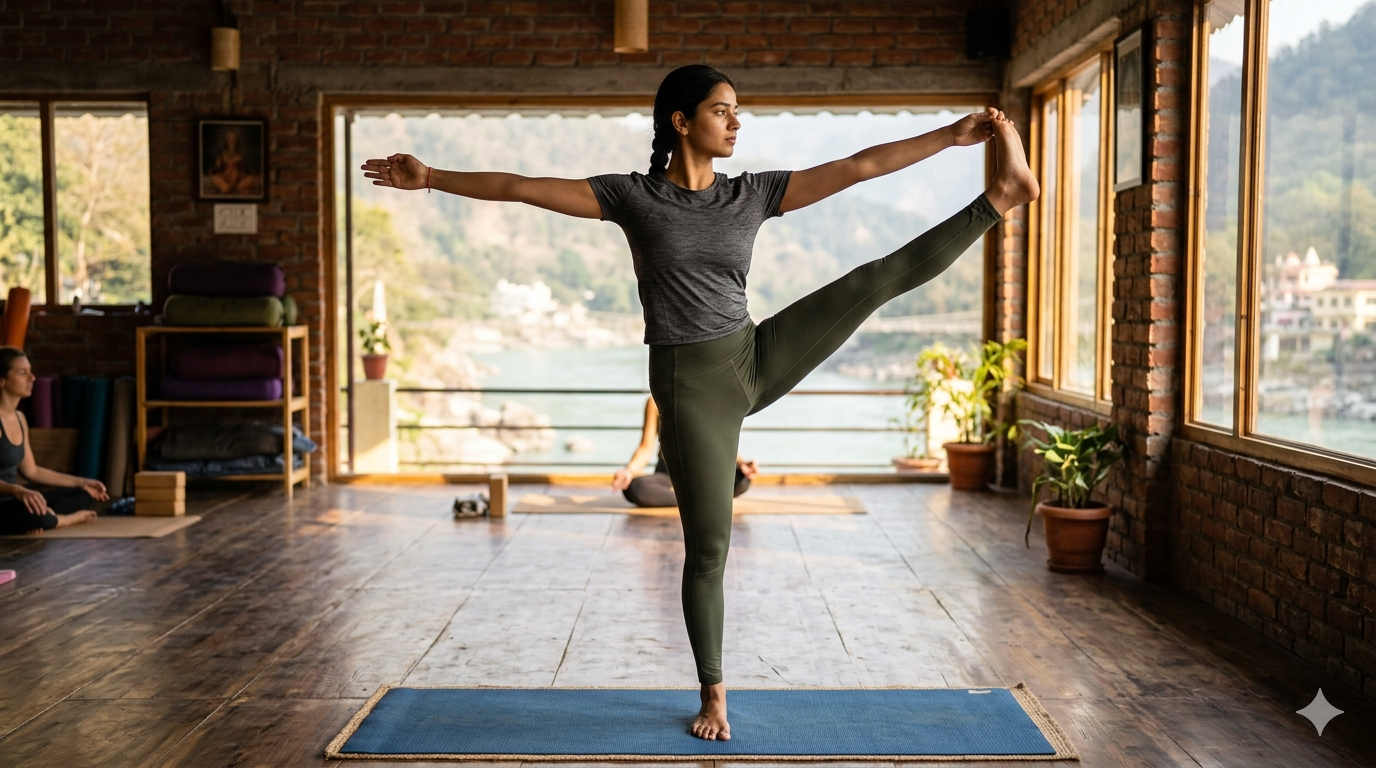
)
International Yoga Day is celebrated every year on June 21 across the world to highlight the importance of yoga in maintaining physical, mental, and emotional health. The day was officially recognised by the United Nations in 2014 after a proposal by India, and the first International Yoga Day was observed in 2015. Since then, millions of people have participated in yoga sessions, awareness campaigns, and wellness programs. The date of June 21 was chosen because it is the longest day of the year in the Northern Hemisphere and holds special significance.
With International Yoga Day 2026 approaching, people are interested in learning more about yoga and its different forms. While yoga is often associated with stretching and exercise, it is much more than that. It combines physical postures, breathing techniques, meditation, and mindfulness practices. Different types of yoga focus on different goals, such as improving flexibility, building strength, reducing stress, or enhancing spiritual growth. Understanding these variations can help people choose the style that best suits their needs.
The Different Types Of Yoga
1. Hatha Yoga
Hatha Yoga is one of the most common and beginner-friendly forms of yoga. It focuses on basic postures, breathing exercises, and relaxation techniques. The poses are generally slow and easy to follow, making it great for people who are new to yoga. Hatha Yoga helps improve flexibility, balance, and overall body awareness while promoting mental calmness.
2. Vinyasa Yoga
Vinyasa Yoga is known for its dynamic and flowing movements. In this style, poses are connected through controlled breathing, creating a smooth sequence of movements. Classes often vary, making each session different and engaging. Vinyasa Yoga is suitable for people who enjoy a more active workout while also gaining the benefits of yoga.
3. Ashtanga Yoga
Ashtanga Yoga follows a structured sequence of poses performed in a specific order. It is physically demanding and requires strength, endurance, and discipline. The practice combines movement with breath control, helping improve stamina and concentration. It is generally recommended for those who already have some experience with yoga.
4. Iyengar Yoga
Iyengar Yoga focuses on precision and proper body alignment. Practitioners often use props such as blocks, straps, and cushions to achieve correct posture. This style allows individuals to hold poses for longer periods, helping them understand body positioning more deeply. It is especially beneficial for beginners, older adults, and people recovering from injuries.
5. Bikram Yoga
Bikram Yoga consists of a fixed sequence of 26 postures and two breathing exercises performed in a heated room. The warm environment is believed to help muscles stretch more easily and increase sweating. Many people choose Bikram Yoga to improve flexibility, strength, and endurance. However, it is important to stay hydrated during these sessions.
6. Kundalini Yoga
Kundalini Yoga combines physical movements, breathing techniques, chanting, meditation, and mindfulness practices. The goal is to awaken inner energy and promote mental clarity. This type of yoga has a strong emphasis on spiritual development and emotional balance. Many practitioners find it helpful for reducing stress and improving focus.
7. Yin Yoga
Yin Yoga is a slow-paced practice where poses are held for several minutes at a time. Instead of focusing on muscles, it targets deeper connective tissues such as ligaments and joints. The practice encourages relaxation, patience, and mindfulness. It is an excellent choice for people seeking stress relief and improved flexibility.
8. Restorative Yoga
Restorative Yoga is designed to provide deep relaxation and recovery. It uses props to support the body in comfortable positions, allowing practitioners to remain in poses with minimal effort. This helps reduce stress, improve sleep quality, and promote overall well-being. It is suitable for people of all ages and fitness levels.
9. Power Yoga
Power Yoga is a modern and energetic variation inspired by Ashtanga Yoga. It focuses on strength-building exercises and continuous movement. The practice can be physically challenging and often resembles a workout session. People looking to improve fitness, muscle strength, and endurance may find Power Yoga beneficial.
10. Aerial Yoga
Aerial Yoga is a modern form of yoga that combines traditional yoga postures with the use of a suspended fabric hammock. The hammock supports the body while performing various poses, allowing practitioners to stretch more deeply and reduce pressure on the joints and spine. It helps improve flexibility, balance, strength, and posture while making certain inversions easier to perform.
11. Acro Yoga
Acro Yoga is a dynamic yoga practice that blends traditional yoga, acrobatics, and partner exercises. It is usually performed with two people working together, where one person acts as the base and the other as the flyer. The practice focuses on building strength, balance, coordination, and trust between partners. Acro Yoga encourages teamwork and communication while offering both physical and mental benefits.
12. Prenatal Yoga
Prenatal Yoga is a specialised form of yoga designed for pregnant women to support their physical and emotional well-being during pregnancy. It includes gentle stretches, breathing exercises, and relaxation techniques that help improve flexibility, reduce stress, and ease common pregnancy discomforts such as back pain and muscle tension. This type of yoga also focuses on breathing control and mindfulness, which can be helpful during labor and childbirth.
Disclaimer: This content including advice provides generic information only. It is in no way a substitute for a qualified medical opinion. Always consult a specialist or your own doctor for more information. NDTV does not claim responsibility for this information.