

)
H1N1 influenza and chikungunya are different viral infections, but both can leave people dealing with significant body pain. H1N1, a strain of influenza A, commonly causes fever, fatigue and muscle or body aches. These aches can affect several parts of the body, including the lower back. In some people, repeated coughing during flu can also put extra strain on the muscles around the back and ribs. Chikungunya, on the other hand, is known for causing severe joint pain. The infection can trigger inflammation around multiple joints, commonly affecting the hands, wrists, ankles, knees and feet.
The prolonged discomfort caused due to such pain can affect posture and movement, which may lead to muscle strain in the back and other areas. Gentle movement and rehabilitation can help maintain joint mobility and muscle strength during recovery, but exercise should be introduced gradually and should not worsen pain or inflammation.
When Should You Exercise After H1N1 Or Chikungunya?
Exercise should not be used to push through an active infection. If you have fever, significant fatigue, breathing difficulty, severe muscle pain or worsening symptoms, rest and seek medical advice rather than exercising. After flu with fever, muscle aches and fatigue, it is generally advisable to wait until the fever has resolved before returning to exercise and then restart at a low intensity.
For chikungunya, rehabilitation can include light-intensity exercise, stretching, strengthening and aerobic activity as symptoms allow. However, movements that increase swelling or pain should be reduced or stopped.
The goal during recovery is not to exercise as hard as possible. Starting with gentle exercises and increasing activity as the body becomes stronger can help reduce stiffness while avoiding unnecessary strain.
Here are some exercises that can help relieve pain.
1. Gentle Walking
Walking is one of the simplest ways to keep the body moving without putting excessive stress on painful joints. Start with 5-10 minutes at a comfortable pace and gradually increase the duration as strength improves. Walking can help prevent stiffness and maintain general fitness during recovery. If you become unusually tired, dizzy or short of breath, stop and rest.
2. Knee-to-Chest Stretch
Lie on your back with your knees bent and feet flat on the floor. Slowly bring one knee towards your chest and hold it gently with both hands. Hold for about 15-20 seconds before returning the leg to the floor. Then repeat with the other leg. This can gently stretch the lower-back and hip muscles. Do not pull the knee forcefully. The movement should create a mild stretch.
3. Cat-Cow Stretch
Start on your hands and knees, keeping your hands under your shoulders and knees under your hips. Slowly round your back upwards, then gently lower the abdomen and lift the chest to create a comfortable arch. Repeat the movement slowly 5-10 times. This exercise encourages gentle movement through the spine and can be useful when the back feels stiff after several days of illness or inactivity.
4. Pelvic Tilts
Lie on your back with your knees bent and feet flat on the floor. Tighten your abdominal muscles gently and press your lower back towards the floor. Hold for a few seconds and then relax. Repeat 8-10 times. Pelvic tilts can help activate the abdominal muscles and improve control around the lower back without requiring heavy effort.
5. Ankle Pumps
Sit or lie comfortably with your legs extended. Point your toes away from your body and then pull them back towards you. Repeat this movement 10-15 times with each foot. Ankle pumps are useful when chikungunya has caused ankle stiffness or discomfort. They give you a gentle movement without adding significant weight on the joints.
6. Seated Knee Extensions
Sit upright on a sturdy chair with your feet on the floor. Slowly straighten one knee until the leg is almost fully extended. Hold for a few seconds and lower it back down. Repeat 8-10 times on each side. This exercise can help maintain movement and strength around the knee while keeping the activity low impact.
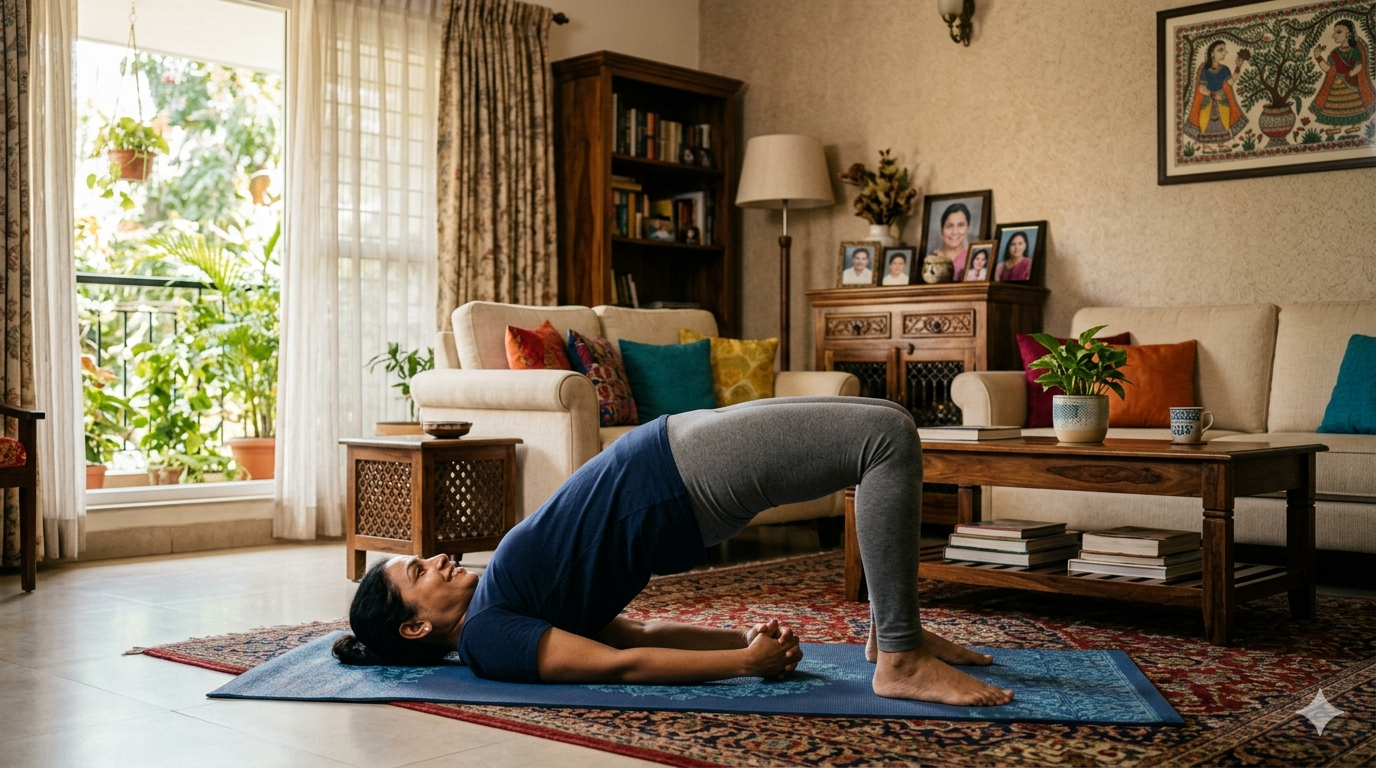
7. Bridge Exercise
Once your symptoms have settled and basic movements feel comfortable, try this exercise. Lie on your back with knees bent and feet flat. Tighten your abdomen gently and lift your hips slowly until your shoulders, hips and knees form a line. Hold briefly and lower your hips. Start with 5-8 repetitions. It helps to strengthen the muscles around the hips, pelvis and lower back, which can provide better support during everyday movements.
Disclaimer: This content including advice provides generic information only. It is in no way a substitute for a qualified medical opinion. Always consult a specialist or your own doctor for more information. NDTV does not claim responsibility for this information.