

)
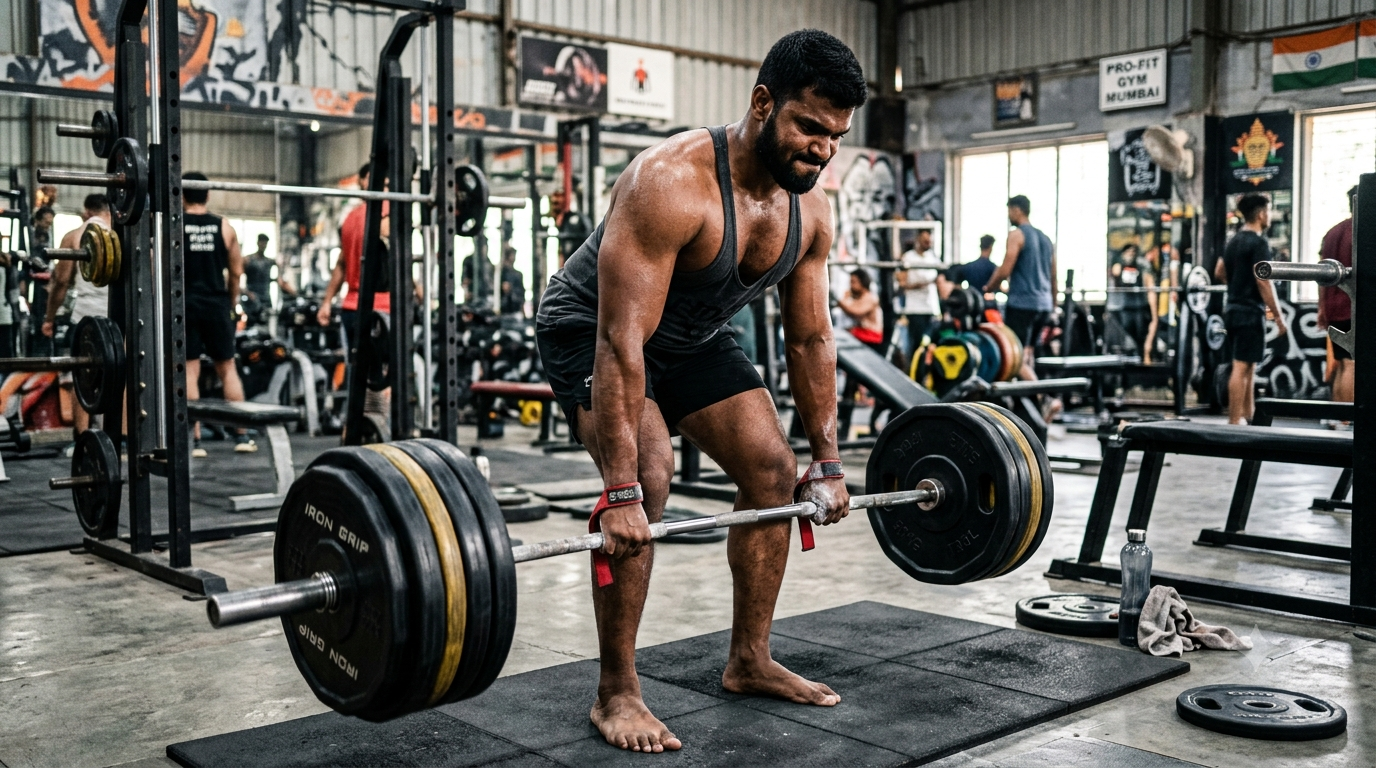
From rounding your back to lifting too heavy, fitness experts explain the common deadlift mistakes beginners and experienced gym-goers should avoid.The deadlift is one of the most effective strength-training exercises for working multiple muscle groups at once. When performed correctly, it primarily trains the glutes, hamstrings, back and core while also challenging grip strength. But because the exercise involves lifting a heavy load from the floor, technique matters. Small changes in posture or movement can affect how the load is distributed across the body. Poor form, excessive weight or a lack of control can increase the risk of muscle strains and other injuries. Whether you are a beginner learning the movement or an experienced lifter increasing the weight, avoiding common technique mistakes can make your deadlifts safer and more effective.
1. Rounding Your Lower Back
One of the most common deadlift mistakes is allowing the lower or upper back to lose its stable position as you lift. When fatigue sets in or the weight is too heavy, lifters may allow their back to round significantly. Instead, brace your trunk before initiating the lift and maintain a controlled spinal position throughout the movement. A neutral spine does not mean keeping your back completely rigid or artificially straight. The goal is to avoid excessive changes in spinal position while lifting.
2. Keeping The Bar Too Far From Your Body
The bar should remain close to your body during the deadlift. If it moves significantly forward as you lift, the weight creates a longer lever arm around the hips and spine, potentially making the movement more demanding on the lower back. Start with the bar positioned appropriately over your mid-foot and keep it close to your shins and thighs as it travels upward.
3. Starting With Your Hips Too Low
Some people try to turn a deadlift into a squat by dropping their hips excessively before lifting the bar. The deadlift requires coordinated movement from the hips and knees. Your starting position will vary depending on your body proportions, mobility and deadlift style, but your hips should be positioned so that you can maintain control and generate force efficiently. Instead of trying to force yourself into a particular position, focus on a stable setup and a controlled bar path.
4. Pulling The Bar Off The Floor Suddenly
Jerking the bar upward before creating tension can make it difficult to maintain good positioning. Before starting the lift, take your grip, brace your core and create tension through your body. Then lift smoothly rather than trying to rip the bar from the floor. This can also help you maintain better control during heavier sets.
5. Using Your Arms To Lift The Weight
Your arms should not be doing the job of a biceps curl during a deadlift. Keep your arms straight and allow the hips and legs to generate the majority of the movement. Think about keeping the bar connected to your body while your lower body drives the lift. Bending the elbows unnecessarily can alter your mechanics and may place additional stress on the arms.
6. Leaning Back At The Top
Another common mistake happens after the bar passes the knees. Some lifters aggressively push their hips forward and lean backwards at the top of the movement. This is unnecessary. At lockout, simply stand tall with your hips and knees extended and your body under control. You do not need to hyperextend your back to complete the repetition.
7. Looking Too Far Up
Your head and neck position should generally remain consistent with the rest of your spine. Looking dramatically upward can encourage unnecessary neck extension. Instead, maintain a comfortable, relatively neutral head position and focus your gaze on a point on the floor ahead of you.
8. Allowing The Bar To Drift Around The Knees
The bar should generally follow a controlled path close to the body. As the bar approaches your knees, coordinate your knee and hip movement so the bar can continue upward without unnecessarily moving forward around your legs. A consistent bar path can make the movement more efficient and easier to control.
9. Forgetting To Brace Your Core
A strong brace helps your trunk remain stable while you lift. Before beginning each repetition, take a breath and brace your abdominal muscles as if preparing for a firm impact. Maintain that tension through the most demanding part of the lift. If you repeatedly lose your brace during a set, consider reducing the weight or stopping the set rather than forcing additional repetitions.
10. Lifting More Weight Than You Can Control
Trying to increase the deadlift weight too quickly is another common problem. Heavy lifting is part of strength training, but the load should match your current ability. If your back position changes dramatically, the bar moves away from your body or you need to jerk the weight off the floor, the load may be too heavy for the intended set. Progressive overload works best when increases in weight are accompanied by consistent technique.
Deadlift Safety: When Should You Stop?
Muscle fatigue and normal exertion are expected during strength training, but sharp or sudden pain is different. Stop the exercise if you experience significant pain, particularly sudden back pain, pain that radiates into the leg, numbness or weakness. Persistent or severe symptoms should be assessed by a qualified healthcare professional. Beginners can also benefit from having a qualified strength and conditioning professional or experienced coach assess their technique before attempting heavy loads. The deadlift is not simply about moving the heaviest possible weight from the floor. Good technique involves creating tension, bracing the trunk, keeping the bar close to the body and coordinating the hips and knees throughout the movement. Start with a manageable weight, practise the movement consistently and increase the load gradually. When technique begins to break down, it is often a sign that the set, rather than your determination, should come to an end.
Disclaimer: This content including advice provides generic information only. It is in no way a substitute for a qualified medical opinion. Always consult a specialist or your own doctor for more information. NDTV does not claim responsibility for this information.