

)
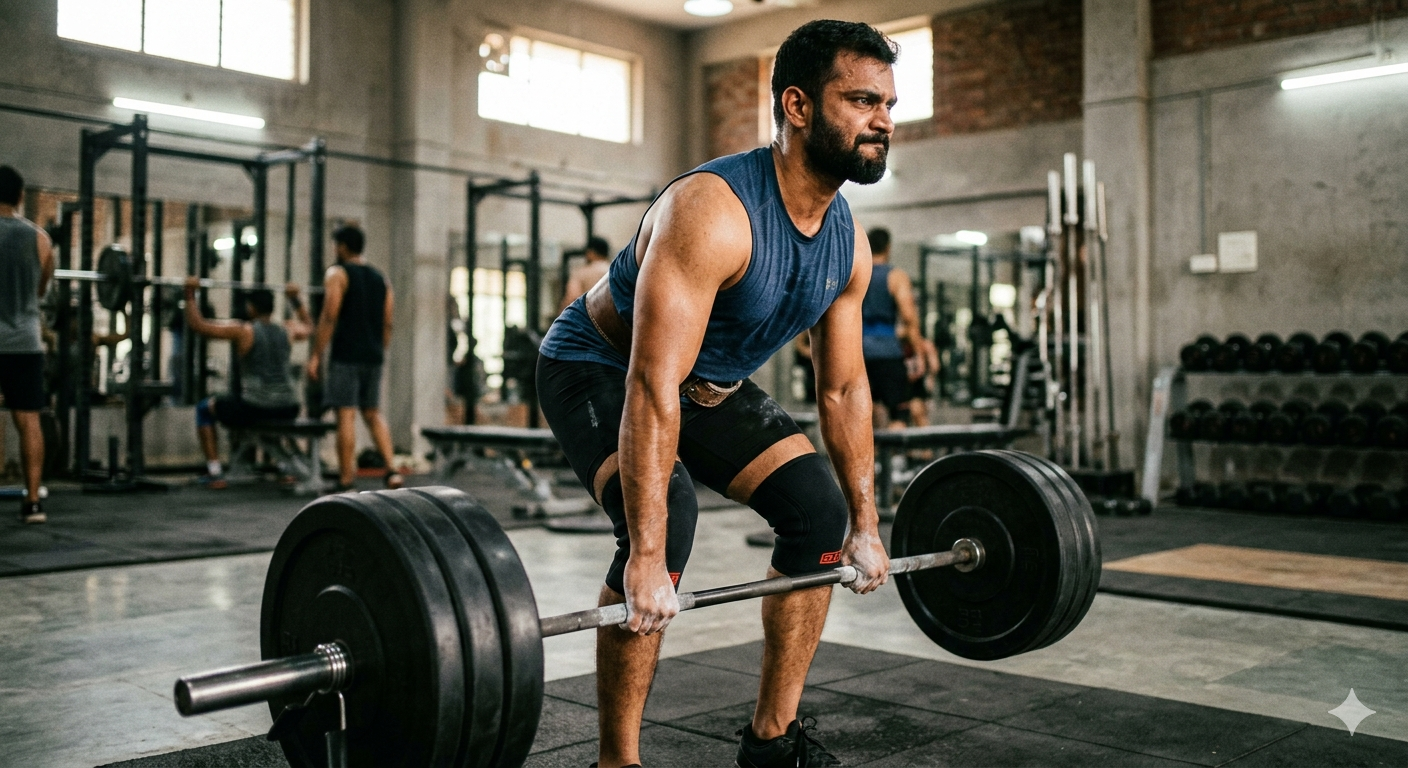
A deadlift is a strength training exercise that focuses on lifting a loaded barbell off the ground to hip level. It primarily targets several major muscle groups, including the back, glutes, hamstrings, and core. The movement involves bending at the hips and knees while keeping the back straight and locking out your hips and knees. It is called a "dead" lift because you lift dead weight from a completely stationary position.
Benefits of deadlifts
1. Builds strength
Deadlifts engage almost every major muscle group simultaneously, building overall strength. This foundational strength contributes to better performance in other exercises.
2. Improves core stability
Deadlifts force your abdominal and lower back muscles to stabilise your spine. A strong core supports better posture and decreases the likelihood of lower back pain.
3. Functional movement
The deadlift mimics movements we perform in daily life, such as lifting heavy objects from the ground. This helps improve overall functional strength and reduces the risk of injury in daily activities.
4. Enhances posture
Performing deadlifts strengthens the posterior chain, which keeps you upright and prevents slouching.
5. Sparks fat loss
Deadlifts burn high calories due to massive muscle recruitment, which can increase calorie expenditure, making it effective for weight loss or maintaining a healthy weight.
Role in fitness routine
- Deadlift acts as a cornerstone lift for strength, powerlifting, and bodybuilding routines.
- It maximises workout efficiency by training multiple muscle groups in a single movement.
- It strengthens the lower back and hips when done with proper technique, reducing daily injury risks.
Complete guide to performing deadlifts safely at home
Step-by-Step guide:
1. Stand with your feet about hip-width apart with the barbell over the middle of your feet.
2. Bend at your hips and knees to lower your body. Grip the barbell with both hands, slightly wider than shoulder-width apart. You can use an overhand grip or a mixed grip.
3. Ensure your back is flat, chest up, and shoulder blades retracted. Your hips should be higher than your knees but lower than your shoulders.
4. Engage your core and push through your heels to lift the bar off the ground. Keep the bar close to your body, extending your hips and knees simultaneously until you stand upright.
5. Reverse the movement in a controlled manner, hinging at the hips first and then bending your knees as the bar descends back to the ground.
Tips to maintain the right form
- Keep your spine completely neutral to prevent spinal disc injuries
- Dragging the bar up your shins and thighs, keeping it far away, strains the back
- Inhale deeply into your belly and tense your abs before lifting
- Avoid leaning backwards at the top of the movement, just stand tall
- Ensure a 2-meter radius is completely free of furniture, pets, or tripping hazards
Safety tips
1. Always warm up with dynamic stretches and lighter weights before attempting heavier lifts to prepare your muscles.
2. Focus on maintaining proper form rather than lifting too heavy, especially as a beginner. This helps prevent injuries.
3. If you feel any pain (not to be confused with muscle fatigue), stop immediately and assess your form or consider consulting an expert.
4. If possible, use a mirror or record your practice to check your form and ensure that you're lifting correctly.
5. If you're new to deadlifting, begin with lighter weights until you feel comfortable with the movement before progressing to heavier loads.
6. Allow adequate time for recovery between workouts, especially when lifting heavy weights, to prevent overtraining.
Deadlifts are a high-risk exercise which should be performed carefully with all precautions or under professional guidance to prevent injuries.
Disclaimer: This content including advice provides generic information only. It is in no way a substitute for a qualified medical opinion. Always consult a specialist or your own doctor for more information. NDTV does not claim responsibility for this information.