

)
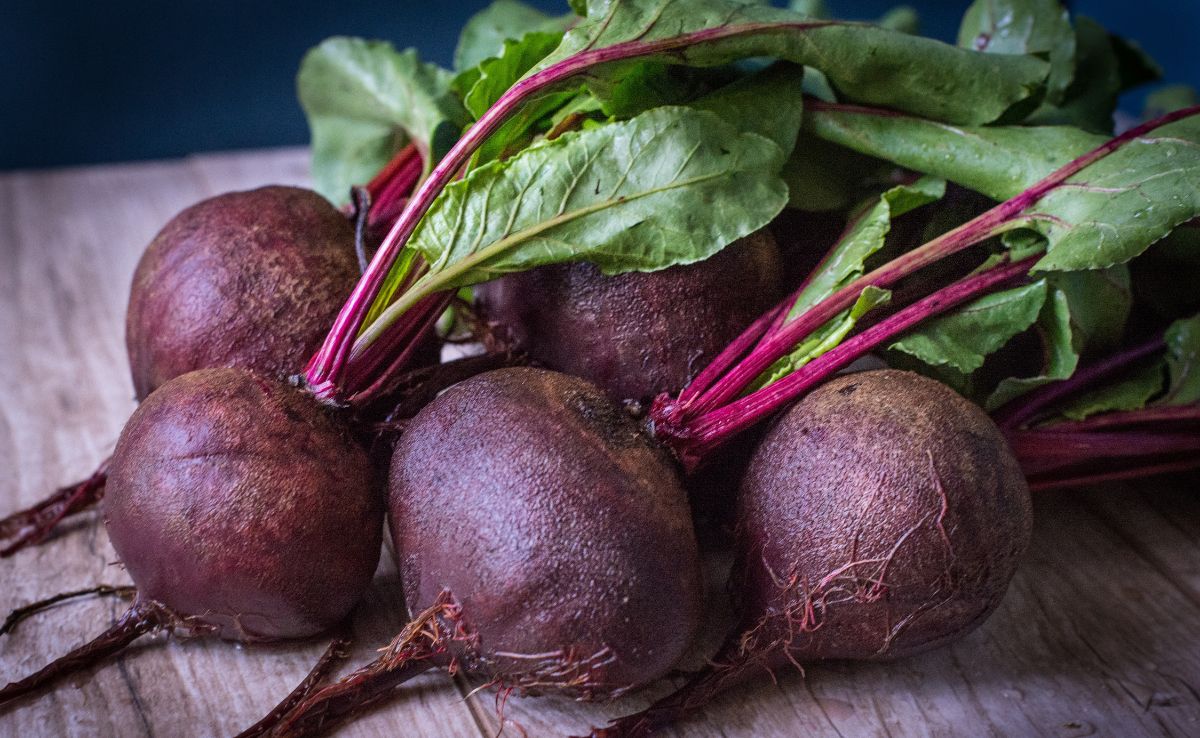
Beetroot is one of those vegetables that often gets added to salads, juices or smoothies for its bright colour, but there is more to it than just making your plate look pretty. The root vegetable is packed with nutrients and naturally occurring compounds that may support different aspects of health when included as part of a balanced diet.
From blood pressure and blood flow to exercise performance, beetroot has been linked to a number of potential health benefits. It is also a source of important nutrients such as folate, potassium and vitamin C.
Nutritionist Nmami Agarwal has shared a post on Instagram to explain some of the benefits of including beetroot in your daily diet. Here is a closer look at what she highlighted.
Beetroot May Help Manage Blood Pressure
One of the key benefits of beetroot is its natural nitrate content. These nitrates can help the blood vessels relax and widen, which may improve blood flow. As a result, regular beetroot consumption has been linked with better blood pressure levels.
It May Support Liver Health
Beetroot also contains antioxidants and plant compounds that may support liver health. These nutrients can help the body deal with oxidative stress and support the liver's normal functions.
It Can Help With Exercise Performance
If you work out regularly, beetroot may also be worth adding to your diet. Its natural nitrates can improve blood flow and oxygen delivery to the muscles. This may help with stamina and endurance during physical activity.
Beetroot Has Anti-Inflammatory Properties
The vegetable is also rich in phytonutrients, which have antioxidant and anti-inflammatory properties. Including beetroot as part of a varied diet may therefore help support the body's overall response to inflammation.
It Is Packed With Essential Nutrients
Beetroot is a good source of folate, potassium and vitamin C, all of which play important roles in keeping the body healthy.
However, Nmami Agarwal also points out that beetroot may not be suitable for everyone as an everyday food. Individual health conditions and dietary needs matter, so it is best to consult a diet expert before making it a daily habit.
Disclaimer: This content including advice provides generic information only. It is in no way a substitute for a qualified medical opinion. Always consult a specialist or your own doctor for more information. NDTV does not claim responsibility for this information.