

)
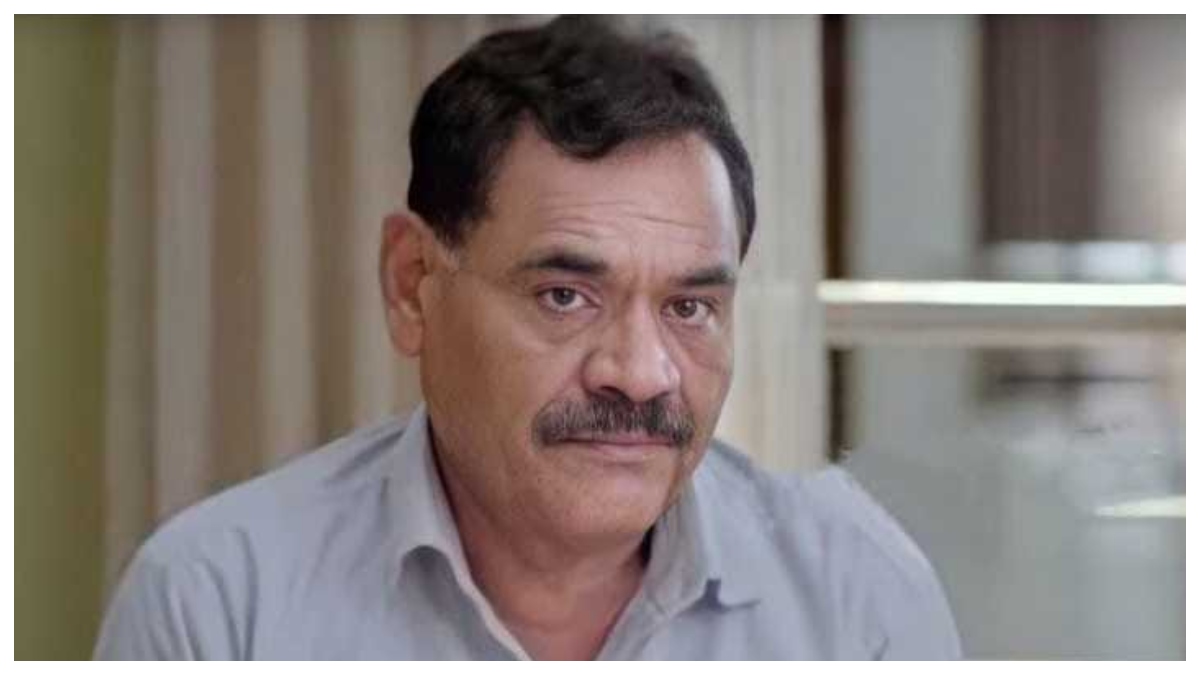
Veteran actor Mushtaq Khan, known for his roles in films such as Welcome, Aashiqui, Mujhse Shaadi Karogi and Hum Hain Rahi Pyaar Ke, died on September 24 at the age of 56 after battling liver cancer. According to reports, Khan had been undergoing treatment at Mumbai's Nanavati Hospital and was hospitalised for around 15 days.
The actor's death has once again drawn attention to liver cancer, a disease that can sometimes be difficult to detect in its early stages. The liver performs several functions throughout the day, including helping with digestion, processing nutrients and removing harmful substances from the blood.
What Is Liver Cancer?
Liver cancer is the cancer that begins in the liver. It is different from cancer that starts elsewhere in the body and later spreads to the liver. Hepatocellular carcinoma (HCC) is the most common primary liver cancer in adults. The disease can develop as a single tumour or as multiple cancerous nodules. Chronic liver damage, including damage associated with cirrhosis, can also play a role in the development of liver cancer.
Doctors use staging to understand how large the cancer is, whether it has entered nearby blood vessels, whether nearby lymph nodes are involved and whether it has spread to other organs. The exact staging system can vary depending on the type of liver cancer and the clinical setting.
Liver Cancer Stages Explained
Stage 1: Cancer Is Limited And Has Not Spread
At this stage, there is generally a single tumour in the liver without spreading to nearby lymph nodes or distant organs. In the American Joint Committee on Cancer (AJCC) system, Stage IA refers to a single tumour measuring 2 cm or less, while Stage IB refers to a single tumour larger than 2 cm that has not grown into blood vessels. Some early-stage cancers may be treated with surgery or, in selected cases, liver transplantation.
Stage 2: The Tumour May Be Larger Or There May Be More Than One Tumour
Stage II can involve a single tumour larger than 2 cm that has grown into blood vessels, or more than one tumour, with none larger than 5 cm. At this point, the cancer has not spread to nearby lymph nodes or distant organs. Treatment depends on factors such as the number and size of tumours and how well the rest of the liver is functioning.
Stage 3: The Cancer Has Become More Locally Advanced
Stage III is divided into IIIA and IIIB. In Stage IIIA, there are multiple tumours, with at least one measuring more than 5 cm. In Stage IIIB, the cancer may have grown into a major blood vessel of the liver or into a nearby organ. However, it has not yet spread to distant organs. Surgery may not always be possible, depending on the tumour's location, size and the health of the remaining liver.
Stage 4: The Cancer Has Spread Beyond The Liver
Stage IV liver cancer indicates more advanced disease. Stage IVA means the cancer has spread to nearby lymph nodes but not distant organs. Stage IVB means it has spread to distant parts of the body, such as the lungs or bones. At this stage, surgery generally cannot remove all of the cancer, so treatment may involve systemic therapies such as targeted treatment or immunotherapy, depending on the individual case.
Why Liver Function Matters
Liver cancer staging is more complicated than simply determining how far the tumour has spread. Doctors also need to assess how well the liver is functioning, particularly when a person has cirrhosis or other chronic liver damage.
The Child-Pugh score, for example, assesses factors including bilirubin, albumin, blood clotting, abdominal fluid accumulation and changes in brain function associated with severe liver disease. These factors can influence which treatments are suitable.
Can Liver Cancer Come Back?
Yes, liver cancer can recur even after treatment. Recurrence may happen in the liver or in another part of the body. The treatment for recurrent cancer depends on where it has returned, what treatment was given previously and how well the liver is functioning.
Mushtaq Khan's reported history of an earlier diagnosis followed by a recurrence highlights why continued medical monitoring is important for people who have been treated for liver cancer.
Disclaimer: This content including advice provides generic information only. It is in no way a substitute for a qualified medical opinion. Always consult a specialist or your own doctor for more information. NDTV does not claim responsibility for this information.