

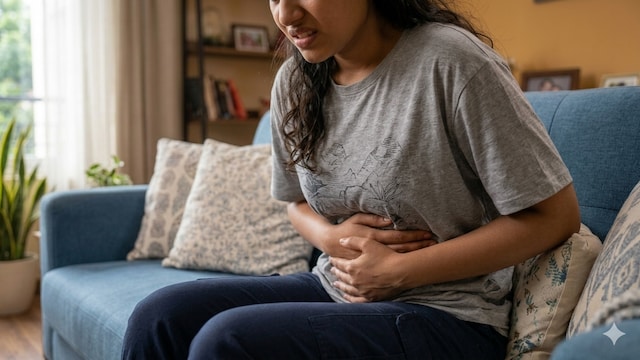
The festive season often means eating more than usual: richer gravies, fried snacks, sweets, restaurant meals, packaged treats and food prepared in large quantities for gatherings. It is therefore not unusual to end up with an uncomfortable stomach after a celebration. But not every stomach upset after a festive meal is food poisoning.
Sometimes, the combination of overeating, rich foods and irregular meal timings can cause indigestion, leaving you with bloating, heaviness, belching, nausea or discomfort in the upper abdomen. These symptoms may settle as the digestive system gets back to its usual routine.
Foodborne illness is different. It occurs when contaminated food or water contains harmful bacteria, viruses, parasites or toxins. It can cause diarrhoea, vomiting, abdominal cramps and fever, and in some cases can lead to significant dehydration. The World Health Organization (WHO) estimates that nearly 1 in 9 people globally, about 866 million people, fall ill after consuming contaminated food each year.
So, after a festive meal, how do you know whether you have simply eaten too much or may have picked up a foodborne infection?
What does indigestion feel like?
Indigestion, medically called dyspepsia, is a collection of symptoms rather than a specific disease. Symptoms can include pain, burning or discomfort in the upper abdomen, feeling full too soon, uncomfortable fullness after eating, bloating, nausea and belching.
During festivals, eating a large meal quickly, consuming foods that are particularly rich or fatty, and changing normal meal patterns may make digestive discomfort more noticeable.
"During festivals, overeating, rich foods and irregular meal timings can cause indigestion, which typically presents as bloating, acidity, heaviness, belching or mild abdominal discomfort. These symptoms often improve with rest, hydration and lighter meals," says Dr Vineet Kumar Gupta, Senior Consultant and Unit Head, Gastroenterology, ShardaCare - Healthcity.
Indigestion generally centres around the upper abdomen. It does not typically cause repeated watery diarrhoea or high fever.
READ | What Festive Season Sugar Overload Does To Your Liver Health
What are the signs of food poisoning?
Food poisoning is an umbrella term for illnesses caused by consuming food or beverages contaminated with harmful organisms or their toxins. Bacteria such as Salmonella, Campylobacter, Clostridium perfringens and certain strains of E. coli, as well as viruses such as norovirus, are among the causes.
The most common symptoms include:
- Diarrhea
- Abdominal pain or cramps
- Nausea
- Vomiting
- Fever
Symptoms and their timing vary substantially depending on the organism involved. Some foodborne illnesses can begin within hours, while others may take several days.
"Foodborne infections, however, may cause more prominent symptoms such as repeated vomiting, watery or frequent diarrhoea, abdominal cramps, fever and, in some cases, blood in the stool," says Dr Gupta.
How quickly can food poisoning start?
There is no single incubation period for food poisoning. This is important because it is tempting to assume that the last meal you ate caused your symptoms. That is not necessarily the case.
For example, US CDC's data show that Staphylococcus aureus food poisoning can cause symptoms within 30 minutes to eight hours, while Clostridium perfringens typically causes symptoms six to 24 hours after eating contaminated food. Norovirus commonly begins 12-48 hours after exposure, while Campylobacter may take two to five days and some Salmonella infections can take six hours to six days. CDC: Food Poisoning Symptoms
This means the timing of symptoms can provide a clue but cannot, by itself, tell you whether you have food poisoning.
Indigestion vs food poisoning: What should you look for?
A useful way to think about the difference is to look at the pattern of symptoms.
More suggestive of indigestion:
- Bloating or heaviness after a large meal
- Belching
- Acidity or upper-abdominal discomfort
- Feeling excessively full
- Mild nausea
- Symptoms that gradually settle
More suggestive of foodborne illness:
- Repeated vomiting
- Frequent or watery diarrhoea
- Significant abdominal cramps
- Fever or chills
- Blood in the stool
- Symptoms affecting several people who ate the same food
- Dehydration, such as dizziness or reduced urination
However, there can be overlap. Some foodborne infections can initially cause only nausea or abdominal discomfort, while some people may experience diarrhoea from causes other than contaminated food.
READ | Festive Rush May Impact Food Safety: How To Care For Your Health From Navratri To Diwali
Why does the festive season increase the risk?
The problem is not festivals themselves but the combination of food preparation, storage, handling and eating patterns that can accompany large gatherings. Food prepared in large quantities may remain at unsafe temperatures for extended periods. Food may also be handled by multiple people, inadequately refrigerated or reheated improperly.
Festival buffets and catered meals therefore deserve particular attention to temperature control, hygiene and safe storage.
What should you do if you have vomiting or diarrhoea?
The immediate priority with significant vomiting or diarrhoea is replacing lost fluids and electrolytes. For people with diarrhoea or vomiting, oral rehydration solutions can help replace both fluid and electrolytes. Small, frequent sips may be easier to tolerate if vomiting is present.
Avoid assuming that every episode requires antibiotics. Foodborne illness can be caused by viruses, bacteria, parasites or toxins, and antibiotic treatment is not appropriate for every cause. Unnecessary antibiotic use can also contribute to antimicrobial resistance.
When should you see a doctor?
Do not simply wait for stomach symptoms to disappear if they are severe or worsening.
Warning signs of dehydration include:
- Very little or no urination
- Dry mouth and throat
- Excessive thirst
- Dizziness, particularly on standing
- Marked weakness
"Adequate fluids and oral rehydration are important, but persistent vomiting, severe dehydration, high fever, blood in stools or worsening symptoms require prompt medical evaluation," Dr Gupta says.
People at greater risk of severe foodborne illness, including young children, older adults, pregnant women and people with weakened immune systems, should have a lower threshold for seeking medical advice.
READ | Detox Trends vs Real Liver Care: Doctor Explains What Actually Works
What experts say about festive stomach problems
According to Dr Naman Bansal, Associate Consultant - Gastroenterology, Hepatology and Therapeutic Endoscopy, RG Hospitals Delhi, festive overeating can commonly result in simple digestive discomfort.
"Festival food often means richer, oilier meals eaten in larger quantities than usual, and this frequently causes simple indigestion rather than anything more serious. Indigestion typically shows up as bloating, heaviness in the stomach, mild acidity, or slight nausea, and it usually settles within a few hours with rest, warm water, or light movement," he says.
"Foodborne infection, on the other hand, tends to appear later, generally six to 48 hours after eating something contaminated, and hits with more intensity. Repeated vomiting, watery or bloody diarrhoea, fever, chills, and severe abdominal cramps are key warning signs, along with symptoms of dehydration like dizziness, dry mouth, or reduced urination."
However, the six-to-48-hour window should not be treated as a diagnostic rule, since foodborne pathogens have widely varying incubation periods.
Dr Bansal adds that if symptoms worsen or do not improve, medical evaluation is preferable to simply waiting them out.
How can you prevent food poisoning during festivals?
A few basic precautions can reduce the risk:
- Eat freshly prepared food: Be more cautious with foods that have been sitting out for prolonged periods.
- Be careful with leftovers: Refrigerate perishable food promptly and avoid eating food that has been stored improperly.
- Check food hygiene: Choose establishments where food is handled and served safely.
- Avoid raw or undercooked foods when their safety is uncertain: This is particularly important for meat, poultry, seafood and eggs.
- Wash your hands: Hand hygiene remains one of the simplest ways to reduce transmission of foodborne infections.
- Drink safe water: Contaminated water can also transmit pathogens that cause diarrhoeal disease.
Not every stomach problem after a festive feast is food poisoning. If you have bloating, belching, acidity, heaviness or mild upper-abdominal discomfort after overeating, indigestion may be the more likely explanation. But repeated vomiting, frequent diarrhoea, fever, severe cramps, bloody stools or dehydration should raise concern about a foodborne illness or another condition requiring medical assessment.
And remember: the time between eating and developing symptoms can vary dramatically depending on the pathogen. Rather than trying to identify the culprit meal yourself, focus on the severity and pattern of symptoms, stay hydrated and seek medical help when red flags appear.
The festive season is meant to be enjoyed. Just make sure the celebration does not continue from the dining table to the emergency room.
Disclaimer: This content including advice provides generic information only. It is in no way a substitute for a qualified medical opinion. Always consult a specialist or your own doctor for more information. NDTV does not claim responsibility for this information.