

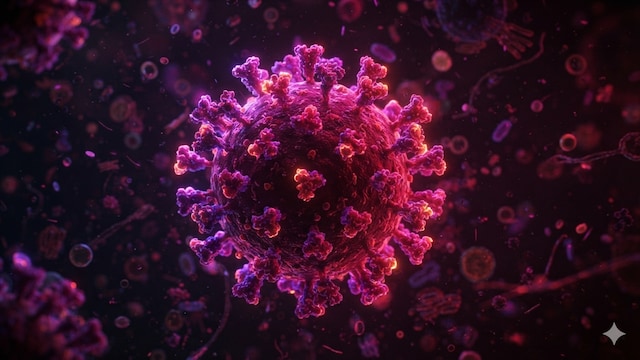
The World Health Organisation has confirmed that the first human case of the Shamonda virus has been detected in France. The French Health Ministry has reported that the infected individual was immunocompromised, in his 60s, and unfortunately died. Shamonda virus, a virus previously detected only in animals, is a type of Orthobunyavirus. "Shamonda virus primarily affects animals such as cattle, sheep, goats and horses. The virus is thought to spread between animals by the bites of a midge, which is a small fly-like insect," the WHO statement mentioned.
#France has reported the first documented case of a human infection with #Shamonda virus, a virus only previously detected in animals. The patient was immunocompromised, which made them more vulnerable to infection and severe disease, and unfortunately died. My heartfelt condolences to their loved ones. Shamonda virus primarily affects animals such as cattle, sheep, goats and horses. The virus is thought to spread between animals by the bites of a midge, which is a small fly-like insect. Further studies are needed to fully understand transmission. The French patient was in an area where the Shamonda virus was circulating in animals and where Culicoides midges were also present. @WHO is in contact with French authorities who are collecting information to better understand the source of infection in the first human patient, possible routes of transmission and any potential risk to public health.
— Tedros Adhanom Ghebreyesus (@DrTedros) October 22, 2026
What is Shamonda virus?
The Shamonda virus was first isolated in cattle in Nigeria in the mid-1960s and has since been sporadically recorded across parts of Africa and Asia. Shamonda is spread by biting midges and primarily impacts cattle, although cases have also been reported in sheep, goats, horses, and alpacas.
It is part of the same family as the Schmallenberg virus, which leads to reproductive issues in livestock.
According to the World Organisation for Animal Health (WOAH), symptoms in animals include fever, diarrhea, lack of appetite, drop in milk yield, and severe reproductive disorders such as abortions or congenital abnormalities in newborns.
ALSO READ | France Reports First Human Case Of Shamonda Virus, WHO Investigating
Transmission to Humans
The virus is transmitted through the bite of infected midges. The insects become vectors after biting infected livestock.
There is no evidence that the Shamonda virus can spread from person to person. Additionally, you cannot catch the virus directly from touching, handling, or being near infected cattle or other livestock.
"Further studies are needed to fully understand transmission. The French patient was in an area where the Shamonda virus was circulating in animals and where Culicoides midges were also present," said WHO.
ALSO READ | France Reports First Human Shamonda Virus Case, Says No Health Risk
Symptoms of Shamonda Virus
In humans
There has only been one documented human case, a standard list of human symptoms does not exist yet.
In animals
The virus is much better understood in animals like cattle, sheep, goats, and alpacas. It causes:
- Reproductive issues: Severe complications including spontaneous abortions, stillbirths, and congenital deformities in newborns.
- Acute illness: High fever, severe diarrhea, loss of appetite, and a sudden drop in milk production.
WHO is in contact with French authorities who are collecting information to better understand the source of infection in the first human patient, possible routes of transmission and any potential risk to public health.
Disclaimer: This content including advice provides generic information only. It is in no way a substitute for a qualified medical opinion. Always consult a specialist or your own doctor for more information. NDTV does not claim responsibility for this information.