

Pune has reported its first suspected dengue-related death of 2026 after an eight-year-old girl from Lohegaon died at Ruby Hall Clinic on October 18. The child reportedly experienced fever and abdominal pain for four to five days before her condition worsened. Doctors diagnosed dengue infection, and she developed severe complications, including dengue-associated shock and multiple organ dysfunction. Despite intensive medical care, she suffered a cardiac arrest and could not be revived.
The incident has raised concerns about the growing dengue cases in the city and the need to spot warning signs, especially in children. Pune recorded more than 2,000 suspected dengue cases in 2026, with a significant number of cases reported between August and October. Civic authorities have stepped up mosquito surveillance and prevention measures. Parents and caregivers should understand how dengue spreads, which symptoms need medical attention and what steps can help reduce the child's exposure to dengue.
What Is Dengue And How Severe Can It Be?
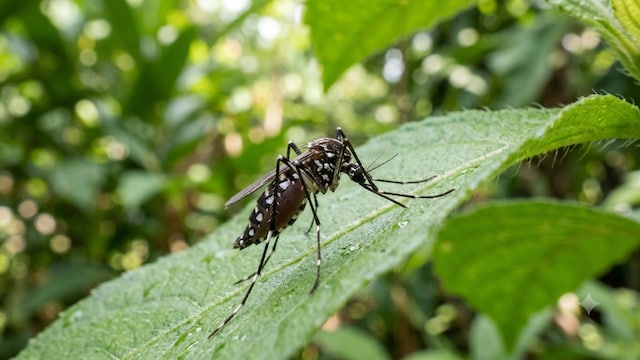
Dengue is a viral infection transmitted to humans through the bite of an infected Aedes mosquito. These mosquitoes commonly bite during the daytime and breed in stagnant water collected in containers, flowerpots, discarded tyres, coolers and other household spaces.
Symptoms usually include high fever, headache, pain behind the eyes, muscle and joint pain, nausea, vomiting and skin rash. Some children may also experience abdominal discomfort, loss of appetite and unusual tiredness.
Most people recover with appropriate care, however, dengue can sometimes progress to severe dengue. Warning signs of severe dengue may appear as the fever begins to subside. Hence, parents should not assume that a falling temperature always means the child is recovering. Severe dengue can cause plasma leakage, drop in blood pressure, bleeding and damage to vital organs.
How To Keep Children Protected From Dengue
1. Prevent Mosquito Breeding At Home
Check the home and surrounding areas regularly for stagnant water. Empty and clean flowerpot trays, buckets, coolers, old tyres and other containers where water can collect. Keep water-storage tanks tightly covered and change the water in pet bowls regularly.
2. Use Mosquito Repellents
Apply a mosquito repellent suitable for your child's age. Ingredients such as DEET or picaridin can provide protection when used according to directions. Adults should apply the product for younger children, keeping it away from their eyes, mouth, hands and irritated skin.
3. Protective Clothing
Dress children in lightweight, loose-fitting clothes that cover their arms and legs, particularly when mosquitoes are active. Socks and covered footwear can provide additional protection. Clothing should be comfortable enough for children to wear during outdoor play.
4. Use Mosquito Nets And Window Screens
Install screens on doors and windows to keep mosquitoes from entering the house. Repair holes in existing screens and use air conditioning where available. Mosquito nets can provide an additional barrier, especially for babies and children who nap during the day. If a child is unwell and resting, ensure the sleeping area is protected from mosquitoes.
5. Be Careful During Outdoor Activities
Children do not need to avoid outdoor activities altogether, but parents should take necessary precautions. Use repellents before outdoor play, choose protected areas and make sure children wear suitable clothing. Schools and childcare centres should check for stagnant water and ensure that classrooms and play areas have adequate mosquito protection.
6. Do Not Ignore Persistent Fever
If a child develops a high fever, headache, body pain or other symptoms suggestive of dengue, contact a doctor immediately. Do not rely on home remedies or wait for several days if the child's condition is worsening.
7. Avoid Self-Medication
Dengue does not have a certain routine antiviral treatment. Care generally focuses on managing symptoms, maintaining hydration and monitoring for complications. Children who develop warning signs may need hospital care and close monitoring of their circulation, blood counts and organ function. Do not give antibiotics, steroids or platelet-raising remedies without a doctor's advice.
Disclaimer: This content including advice provides generic information only. It is in no way a substitute for a qualified medical opinion. Always consult a specialist or your own doctor for more information. NDTV does not claim responsibility for this information.