

)
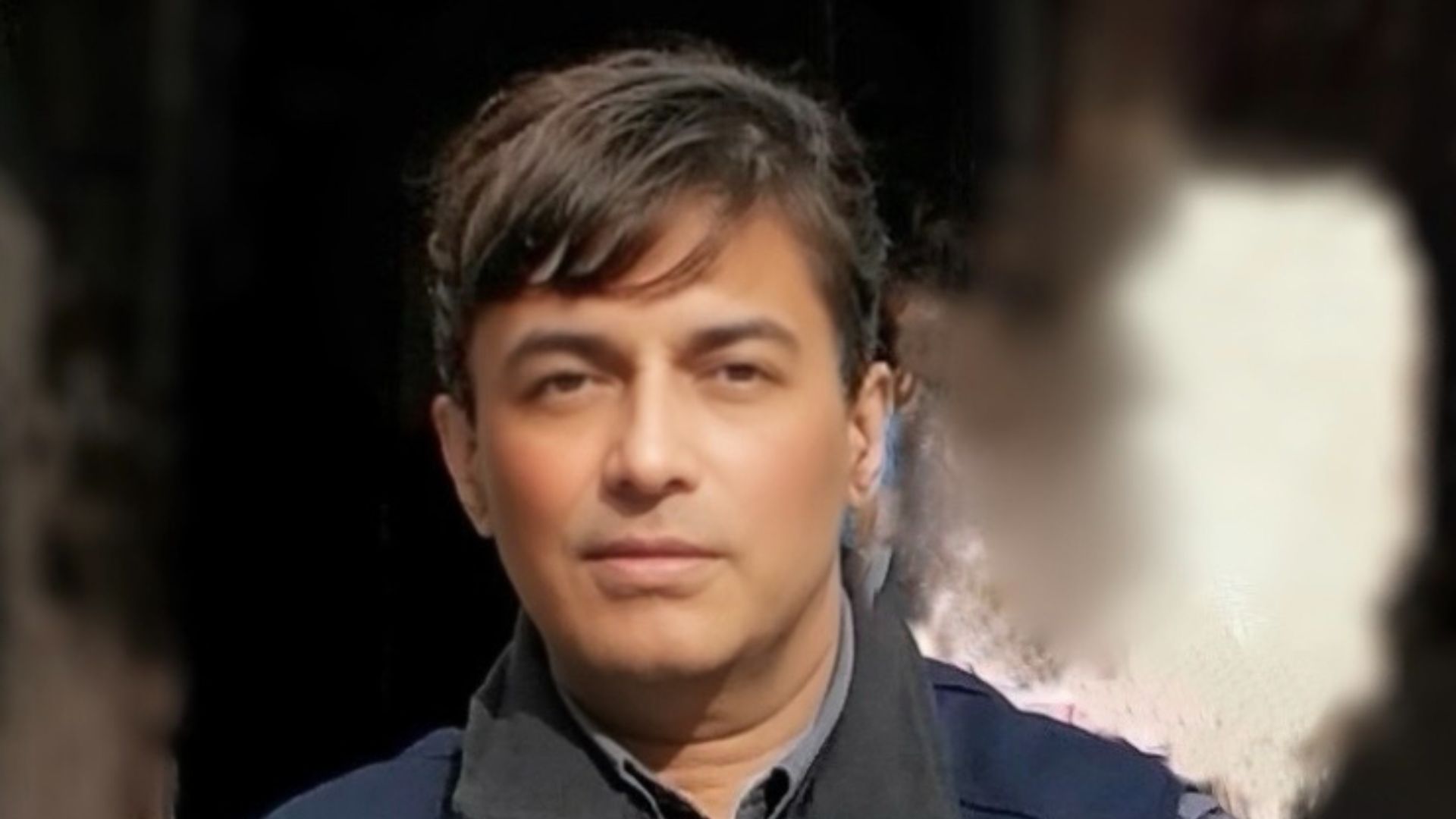
The death of filmmaker and actor Suneil Anand, son of Hindi cinema legends Dev Anand and Kalpana Kartik, has once again brought attention to the dangers of recurrent heart attacks. Suneil Anand died at the age of 70 in the UK after suffering a second heart attack while being treated for his first cardiac event. According to a statement shared by his family, Suneil Anand suffered a heart attack in London while travelling from the US to India via the UK. He was admitted to a hospital, where doctors initially planned to perform a stent procedure. However, before the procedure took place, he suffered another heart attack. Despite the medical team's efforts, he could not be revived. Suneil died in the same hospital where his father, Dev Anand, had died years earlier. But why can a second heart attack be particularly dangerous? And does having a stent or undergoing angioplasty eliminate the risk of another cardiac event?
Why Can A Second Heart Attack Be More Dangerous?
The heart can be significantly more vulnerable after a first heart attack because some of the heart muscle may already havesuffered permanent damage. "Because the heart is no longer starting from a healthy baseline, a second heart attack is sometimes significantly more hazardous than the first. A section of the heart muscle is irreversibly damaged by the initial assault. The remaining healthy muscle has less reserve to make up for any additional obstruction, no matter how minor," explains Dr Ashish Kumar, Senior Cardiology Consultant, Amrita Hospital, Faridabad.
Dr Bipeenchandra Bhamre, Cardiac Surgeon in Mumbai, says the first heart attack can leave behind scarring and reduced pumping capacity. If another artery becomes blocked, the remaining healthy heart muscle may struggle to compensate. This can increase the risk of serious complications such as heart failure, dangerous heart rhythm disturbances, cardiogenic shock and sudden cardiac death.
A Stent Does Not Mean The Heart Attack Risk Is Gone
One of the biggest misconceptions after a heart attack is that angioplasty or stent placement permanently eliminates the risk of another cardiac event. A stent can open a narrowed or blocked artery and restore blood flow to the heart, but it does not cure the underlying disease that caused the blockage. "Coronary artery disease is a chronic illness. One blocked artery is treated with a stent, but the disease progression is not halted. Over time, new blockages may form if blood pressure, diabetes, smoking, cholesterol, and body weight are not vigorously controlled," says Dr Ashish Kumar.
Dr Bhamre similarly explains that atherosclerosis is a progressive condition. Even after angioplasty or bypass surgery, plaque can continue to develop in the same artery or elsewhere if cardiovascular risk factors remain uncontrolled. This is why a successful procedure should be viewed as an important step in treatment, rather than a complete cure.
Why The Risk Of Another Heart Attack Remains
A heart attack usually occurs when blood flow through a coronary artery becomes blocked, often because an atherosclerotic plaque ruptures and a blood clot forms. Treatments such as angioplasty, stents and bypass surgery can restore blood flow, but they do not necessarily eliminate the tendency of arteries to develop plaque. Uncontrolled blood pressure, high cholesterol, diabetes, smoking, obesity, physical inactivity, unhealthy eating habits and chronic stress can all contribute to the progression of coronary artery disease. This means that even after a patient feels better, the risk of another cardiac event can remain unless these factors are addressed.
Warning Signs You Should Never Ignore After A Heart Attack
People who have already experienced a heart attack should be especially alert to new or recurring symptoms. These may include:
- Chest pain, heaviness, pressure or tightness
- Pain spreading to the jaw, neck, shoulder or arm
- Sudden or worsening breathlessness
- Cold sweating
- Dizziness or light-headedness
- Nausea
- Unexplained or unusual fatigue
Dr Bhamre points out that symptoms may not always be dramatic. Older adults and people with diabetes can sometimes experience subtle or atypical symptoms. Any new or unexplained symptom after a previous heart attack should therefore be evaluated promptly rather than being dismissed as acidity, tiredness or anxiety.
Even A Short Delay Can Matter
A heart attack is a medical emergency because prolonged blockage can cause irreversible damage to heart muscle. "Even an hour's delay in therapy can result in the loss of vital cardiac muscle," says Dr Ashish Kumar. This is why someone experiencing possible heart attack symptoms should not wait for them to settle on their own or attempt to self-treat at home. The earlier blood flow is restored, the greater the chance of limiting heart muscle damage and improving outcomes.
Why Stopping Heart Medicines Can Be Dangerous
Feeling better after a heart attack can sometimes make patients believe that their medicines are no longer necessary. Doctors warn that this can be a serious mistake. "In my experience, patients quitting their medications because they feel better is the greatest avoidable error. Instead of only treating symptoms, heart medications are intended to stop future occurrences," says Dr Ashish Kumar. Medicines prescribed after a heart attack may help control cholesterol, blood pressure, clotting and other cardiovascular risk factors. Stopping them without medical advice can increase the risk of another cardiac event. Patients should therefore follow their cardiologist's advice and discuss any side effects or concerns before changing or stopping medication.
How Can You Reduce The Risk Of Another Heart Attack?
Preventing a second heart attack requires long-term commitment rather than a short-term recovery plan. Doctors recommend taking prescribed medicines regularly, attending follow-up appointments and controlling conditions such as diabetes, high blood pressure and high cholesterol. Cardiac rehabilitation can also help patients gradually return to physical activity in a safe and structured manner.A heart-friendly diet, regular exercise, maintaining a healthy weight, quitting smoking, managing stress and getting adequate sleep can further reduce cardiovascular risk. Dr Bhamre emphasises that surgery can restore blood flow, but long-term survival also depends on how patients protect their heart and arteries after treatment.
The First Heart Attack Can Be A Warning
A first heart attack can serve as a critical warning that the cardiovascular system needs immediate and lifelong attention. Dr Ashish Kumar says the first cardiac event can provide an opportunity to identify risk factors, improve lifestyle habits and follow treatment more carefully before another event occurs. The key message is that surviving a heart attack does not mean the danger has permanently passed. A second heart attack can place an already weakened heart under significantly greater stress and may lead to life-threatening complications.
For anyone with a history of heart disease, recognising warning signs early, seeking emergency care without delay and remaining consistent with prescribed treatment can make the difference between recovery and a potentially catastrophic outcome.
Disclaimer: This content including advice provides generic information only. It is in no way a substitute for a qualified medical opinion. Always consult a specialist or your own doctor for more information. NDTV does not claim responsibility for this information.