

)
Monsoon creates ideal breeding conditions for mosquitoes; the Gautam Budh Nagar health department has stepped up efforts to prevent dengue, malaria and other vector-borne diseases. Authorities have identified several dengue hotspots across Noida, including Barola, Surajpur, Kasna and Sector 50, after finding mosquito breeding sites and reporting new dengue cases. According to health officials, 21 dengue cases have been reported in the district so far. To prevent a larger outbreak, the administration has intensified surveillance, awareness campaigns, fogging operations and door-to-door inspections. More than 650 ASHA workers have also been deployed across Gautam Budh Nagar to identify mosquito breeding sites, monitor fever cases and educate residents on preventive measures. As dengue cases begin to rise, experts stress that preventing mosquito breeding at home remains the most effective way to curb infections.
Noida's Dengue Hotspots Under Close Watch
The health department has identified six to seven high-risk areas where dengue cases have already been reported or where mosquito larvae have been found during inspections. These include both gated residential societies and densely populated neighbourhoods. Resident Welfare Associations (RWAs) have been instructed to organise cleanliness drives, eliminate stagnant water and spread awareness about dengue prevention among residents.
Also read: NDTV Lifeline X Climate Change: Why Is Dengue Difficult To Diagnose Initially?
Why Do Dengue Cases Increase During The Monsoon?
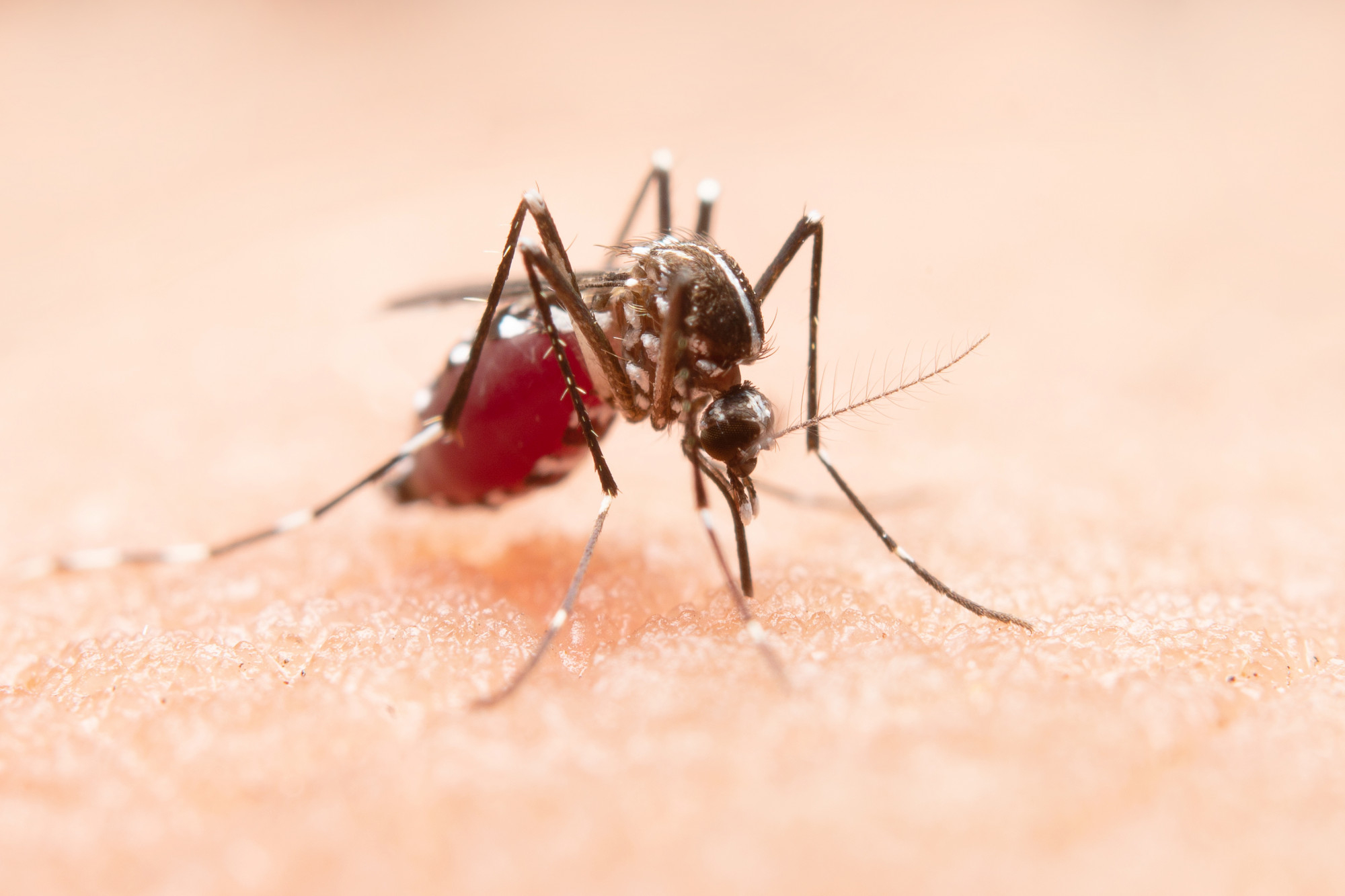
Dengue is caused by the Aedes aegypti mosquito, which breeds in clean, stagnant water rather than dirty drains or sewage. Common breeding sites include:
- Water coolers
- Flowerpot trays
- Buckets and drums
- Overhead water tanks
- Discarded tyres
- Coconut shells
- Construction sites
- Disposable cups and containers
Heavy rainfall followed by warm temperatures creates ideal conditions for mosquito eggs to hatch and multiply rapidly. Even a small amount of stagnant water can become a breeding ground within a week.
Why Prevention Should Start Before Cases Rise
According to Dr. Aparna Chakravarty, Professor, Paediatric Infectious Disease, Amrita Hospital, Faridabad, dengue outbreaks often begin silently, making early prevention crucial. "Dengue outbreaks usually start quietly. Mosquitoes do not need a dirty drain or a big pool of stagnant water to breed. Even a small amount of clean water collected in a flowerpot tray, cooler, bucket, rooftop container or discarded cup can provide a breeding site for Aedes aegypti. Prevention has to start now, not when hospitals start feeling the heat," she says. She advises families to follow one simple weekly routine.
Also read: India Gets Its First Dengue Vaccine, QDENGA: Effectiveness, Doses, Eligibility Explained
"One simple rule families can practise is to empty, scrub and completely dry every container that can hold water once every seven days. Scrubbing is important because mosquito eggs can adhere to container surfaces and survive dry conditions for months. Fogging alone is not enough to stop dengue if breeding sites are still inside houses and neighbourhoods," Dr Chakravarty adds.
Children Need Extra Protection
Children are particularly vulnerable because dengue mosquitoes bite mainly during the daytime, when they are at school or playing outdoors. Dr. Chakravarty recommends:
- Applying age-appropriate mosquito repellents.
- Dressing children in light-coloured, full-sleeved clothing.
- Preventing water from collecting around schools, playgrounds and homes.
- Using mosquito screens and nets wherever possible.
She adds that daytime protection is just as important as protection during the evening.
Symptoms Parents Should Never Ignore
Early dengue symptoms can resemble a common viral fever, making diagnosis difficult. Parents should seek medical attention if a child develops:
- Persistent high fever
- Severe headache
- Intense body or muscle pain
- Vomiting
- Extreme tiredness
Immediate medical evaluation is essential if warning signs develop, including:
- Persistent vomiting
- Severe abdominal pain
- Bleeding from the nose or gums
- Reduced urination
- Excessive sleepiness or irritability
- Difficulty breathing
- Refusal to drink fluids
Why The Falling Fever Can Be Dangerous
One of the most misunderstood aspects of dengue is that patients may become critically ill when the fever starts coming down. "Importantly, the time when fever begins to subside may be the most critical period in dengue. A falling fever doesn't always mean the child is on the mend. Parents should keep a close watch on the child, ensure he or she is well hydrated and follow the doctor's advice instead of self-medicating," says Dr. Chakravarty. Doctors explain that this is the phase when fluid leakage and complications can occur, making close monitoring extremely important. With dengue cases rising and several Noida localities now under surveillance, prevention remains the strongest defence against the disease. Eliminating stagnant water every week, protecting children from mosquito bites, and recognising warning signs early can significantly reduce the risk of severe illness. Health experts emphasise that while government surveillance and fogging are important, community participation and household-level mosquito control are essential to preventing a larger outbreak this monsoon.
Disclaimer: This content including advice provides generic information only. It is in no way a substitute for a qualified medical opinion. Always consult a specialist or your own doctor for more information. NDTV does not claim responsibility for this information.