

)
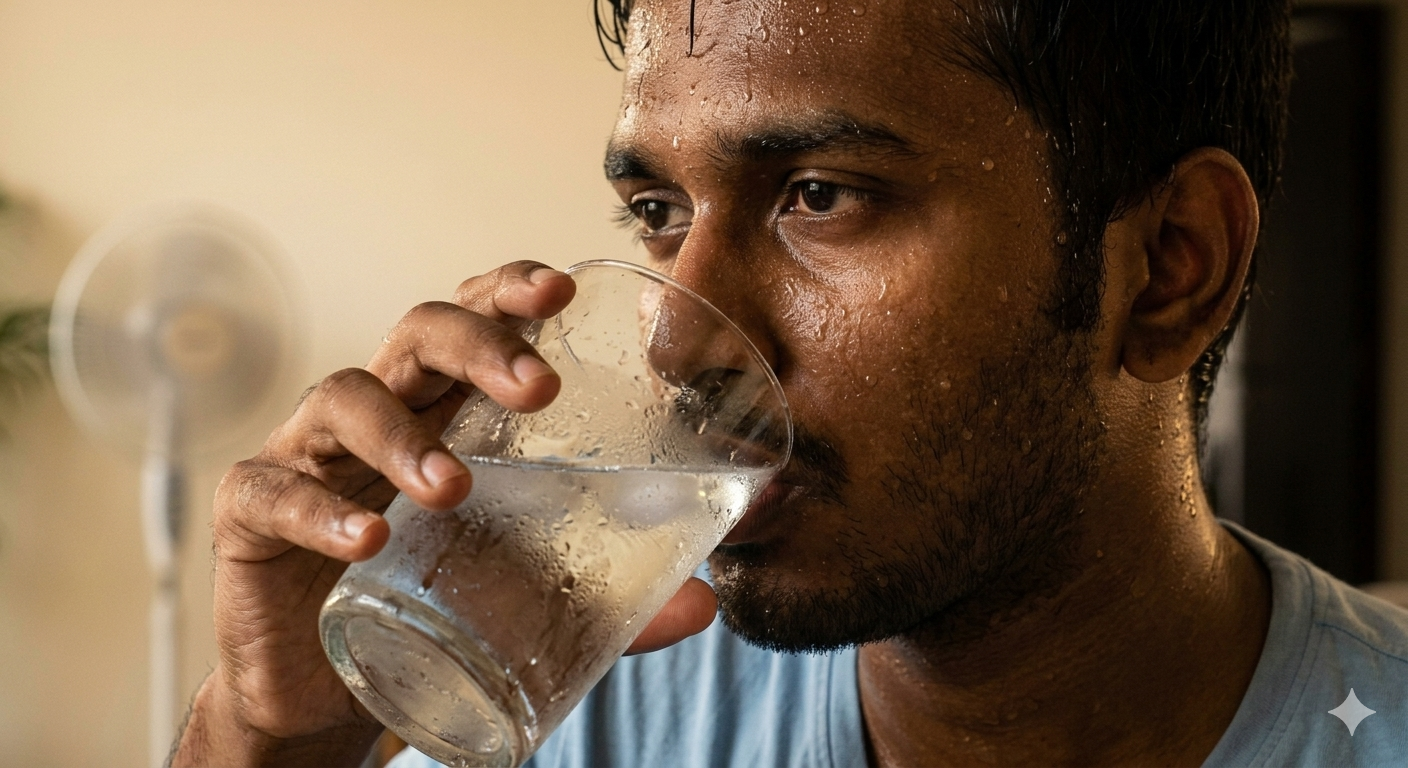
It is often noted that high temperatures contribute to heat-related illnesses, but excessive humidity should also be taken seriously as a health risk. In the hot and humid month of summer, with the arrival of monsoons, we deal with more cases of dehydration and heat exhaustion. What many people do not realise is that the body can become dehydrated not only due to excessive heat but also due to the inability to cool off properly because of too much humidity in the air.
The human body relies primarily on sweating, which helps regulate its temperature. The process of sweating relies greatly upon evaporation, and although heat is removed from the body due to sweating, high humidity keeps sweat from evaporating properly as air is already saturated with moisture. Thus, the body starts having problems with maintaining its body temperature as well as with pumping blood to the skin, which follows cooling down the body.
One of the more obscure impacts of high humidity is that dehydration can set in even before a person activates their thirst response. This means that people in high-risk groups such as children, senior citizens, people with diabetes, heart disease and kidney problems are more susceptible to dehydration than other people because their normal body functions may already be impaired. In addition, outdoor workers, sports people and individuals who have to commute for long distances face an increased risk of dehydration because of prolonged exposure to heat.
However, it is crucial to pay attention to the early signs of dehydration. Typical signs of dehydration are feeling thirsty, feeling dizzy, having a headache, fatigue, muscle cramps, dry mouth, decreased frequency of urination and inability to concentrate. You should pay great attention to those symptoms because if a person experiences confusion, rapid heartbeat, fainting or prolonged vomiting, they may be suffering from heat exhaustion or heat stroke.
Just satisfying your thirst with water is not sufficient to stay hydrated. You should be drinking fluids throughout the day and especially before and after outdoor activities. Fresh fruits like watermelon, oranges, cucumber and musk melon are great water and electrolyte sources. The use of oral rehydration solution may be helpful in cases of excessive sweating or fluid loss. Additionally, limit the consumption of sugary, caffeinated, and alcoholic drinks that contribute to dehydration.
Necessary steps like wearing loose lightweight garments, refraining from heavy outdoor activities in the hottest hours and making sure that ventilation indoors is adequate can bring down the risks of heat-related illnesses. Remember that high humidity is not just an uncomfortable weather condition; it is a serious health risk.
(Dr. Subhasish Mazumder, Principal Director & Head - Gastroenterology, Max Super Speciality Hospital, Vaishali)
Disclaimer: The opinions expressed within this article are the personal opinions of the author. NDTV is not responsible for the accuracy, completeness, suitability, or validity of any information on this article. All information is provided on an as-is basis. The information, facts or opinions appearing in the article do not reflect the views of NDTV and NDTV does not assume any responsibility or liability for the same.