

)
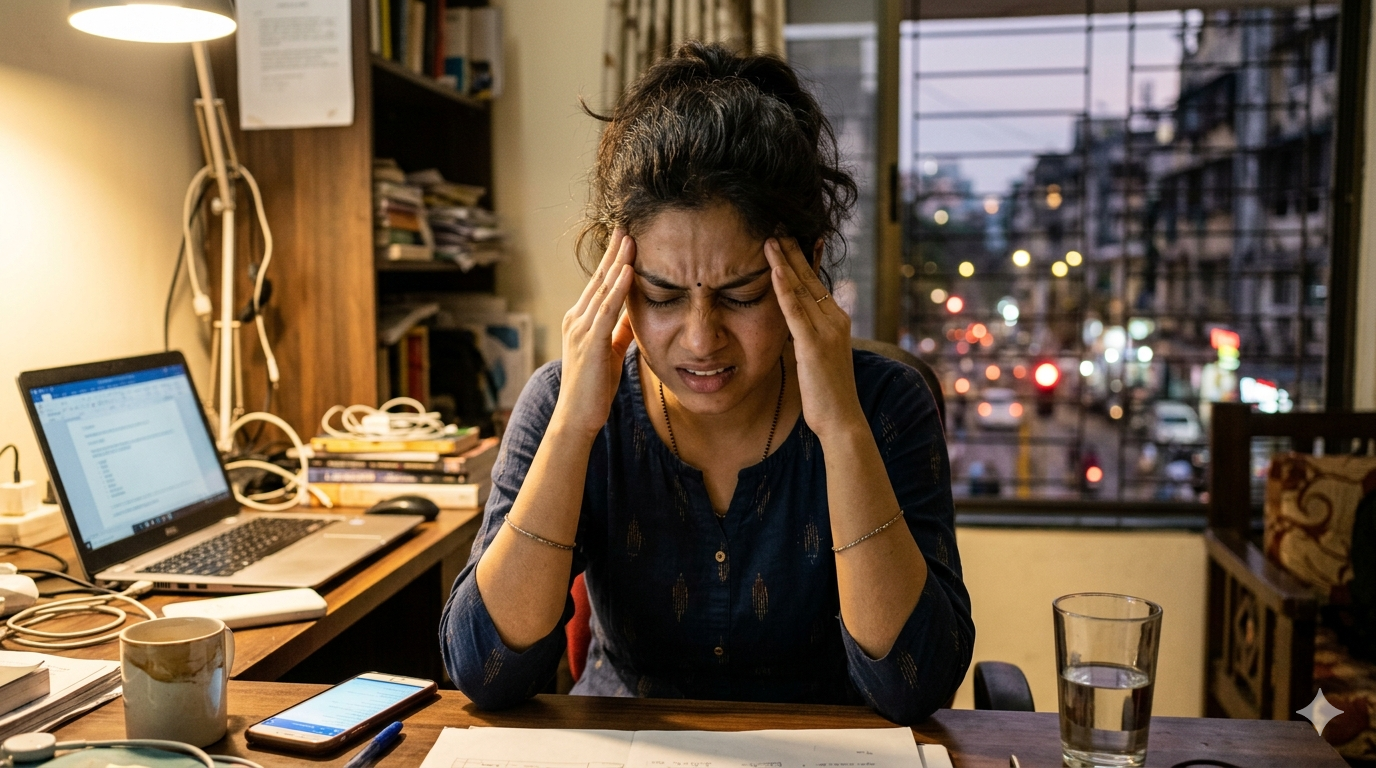
After spending so many hours in front of your laptop screen, you must have experienced dull or throbbing pain behind your eyes that can be extremely uncomfortable. Many people experience this type of headache after long hours of screen use, stress, lack of sleep, or dehydration. While occasional headaches behind the eyes are usually not serious, they can disrupt daily activities and make it difficult to focus. Migraines can cause intense headaches that often strike one side of the head, sometimes centering behind a single eye. According to a review published in 2024, the pain can be severe and may persist for hours, occasionally lasting up to three days. Considering the possible causes and simple natural remedies which can help you manage the discomfort more effectively.
What Causes Headaches Behind The Eyes?
Pain behind the eyes can be linked to several common conditions. One frequent cause is Tension Headache, which often develops due to stress, muscle tension in the neck, or long hours of screen exposure. Sinus-related issues such as Sinusitis can also lead to pressure behind the eyes, particularly when the sinuses become inflamed or blocked. Identifying the underlying cause can help determine the best way to relieve the pain.
A study in Indian Journal of Otolaryngology says that headaches such as migraines, cluster headaches, tension headaches, and those caused by refractive errors are frequently mistaken for "sinus headaches." As a result, patients are often subjected to unnecessary investigations and treatments. One should be aware to avoid such misconceptions.
Stay Hydrated
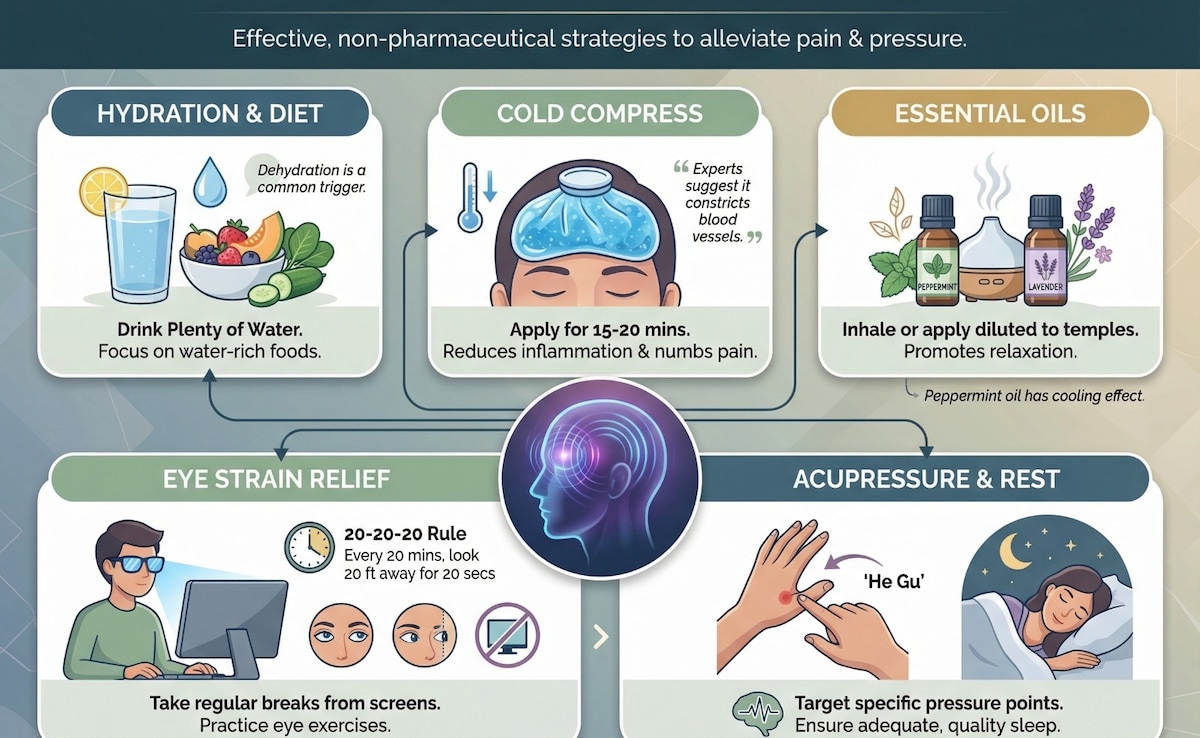
Dehydration is a surprisingly common trigger for headaches. When the body lacks sufficient fluids, blood flow to the brain may temporarily decrease, contributing to pain and discomfort. Drinking enough water throughout the day can help restore fluid balance and may relieve mild headaches.
Also read: Dehydrated Or Not? Here's How The Skin Pinch Test Can Help You Find Out Quickly
Reduce Screen Strain
Prolonged screen exposure can strain the eyes and surrounding muscles, which may lead to headaches behind the eyes. Taking regular breaks can reduce eye fatigue. A helpful strategy is the 20-20-20 rule, where every 20 minutes you look at something about 20 feet away for at least 20 seconds. Adjusting screen brightness and maintaining proper posture can also reduce strain.
Apply A Warm Or Cold Compress
Applying a compress to the forehead or eye area may provide quick relief. A cold compress can help numb pain and reduce inflammation, while a warm compress may relax tense muscles. Both options can be useful depending on the type of headache you are experiencing.
Try Gentle Relaxation Techniques
Stress and muscle tension often contribute to headaches. Relaxation practices such as deep breathing, meditation or gentle stretching can help relax the muscles around the neck and shoulders. Exercises like Neck Stretch may relieve tension that contributes to headaches.
Improve Sleep Habits
Poor sleep or irregular sleep patterns can trigger headaches. Maintaining a consistent sleep routine, reducing screen exposure before bedtime and creating a comfortable sleep environment may help prevent recurring headaches.
When Should You See A Doctor?
Although most headaches behind the eyes are harmless, certain warning signs require medical attention. If the headache becomes severe, occurs frequently or is accompanied by symptoms such as blurred vision, high fever or confusion, it is important to consult a healthcare professional. Persistent headaches may require evaluation to rule out the underlying health conditions.
Also read: 8 Signs Your Headache Could Be Migraine Attacks
Headaches behind the eyes are often linked to stress, eye strain, dehydration or sinus pressure. Simple lifestyle adjustments such as staying hydrated, taking screen breaks and practising relaxation techniques can help manage mild discomfort naturally. However, if the pain becomes persistent or severe, seeking medical advice can help identify the underlying cause and ensure proper treatment.
Disclaimer: This content including advice provides generic information only. It is in no way a substitute for a qualified medical opinion. Always consult a specialist or your own doctor for more information. NDTV does not claim responsibility for this information.