

)
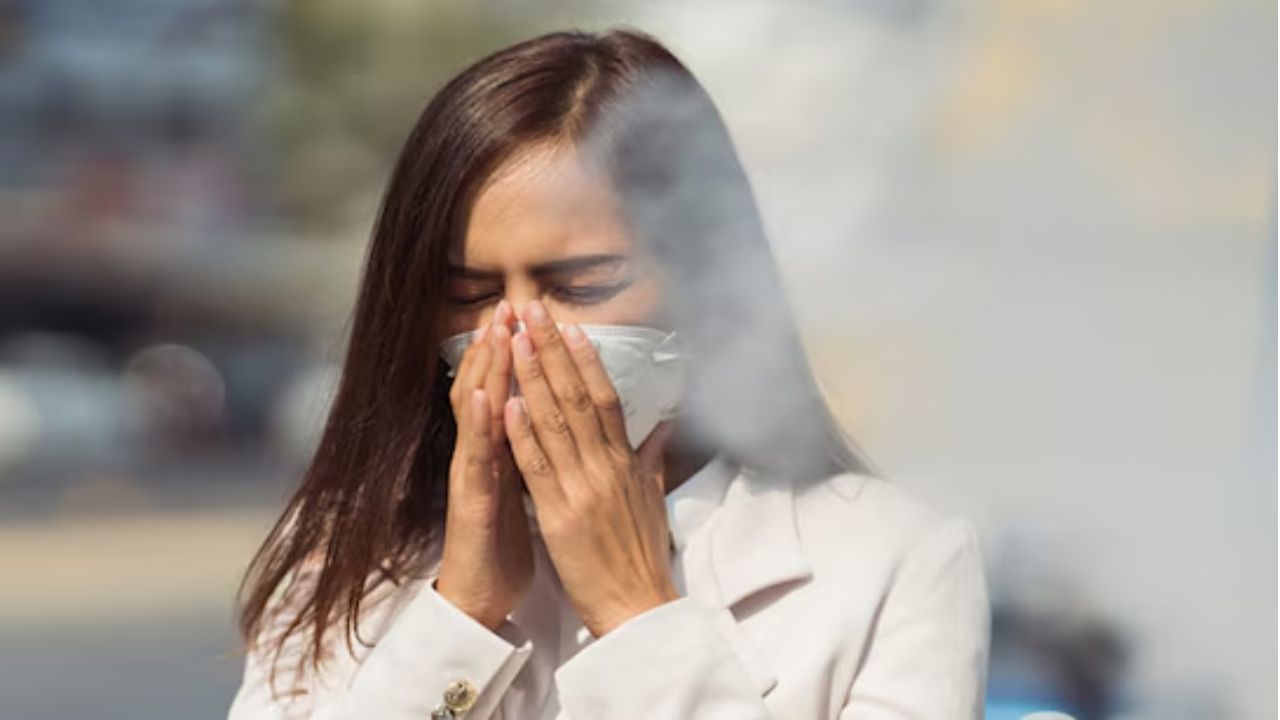
Delhi is battling another season of severe pollution and biting cold, but the real danger may be quieter and more chronic. What if simply living in the national capital is becoming one of the biggest contributors to mortality?
Data from the Delhi Statistical Handbook 2025, released on January 8 this year, shows that respiratory illness remains one of the city's most persistent long-term health burdens. In 2024, Delhi recorded 9,211 respiratory-related deaths, compared with 8,801 in 2023 and 7,432 in 2022. The steady climb follows the sharp spike of 2021, when deaths surged to 14,442, driven largely by Covid-19. Since then, numbers have receded to pre-pandemic levels-yet they are once again inching upward.
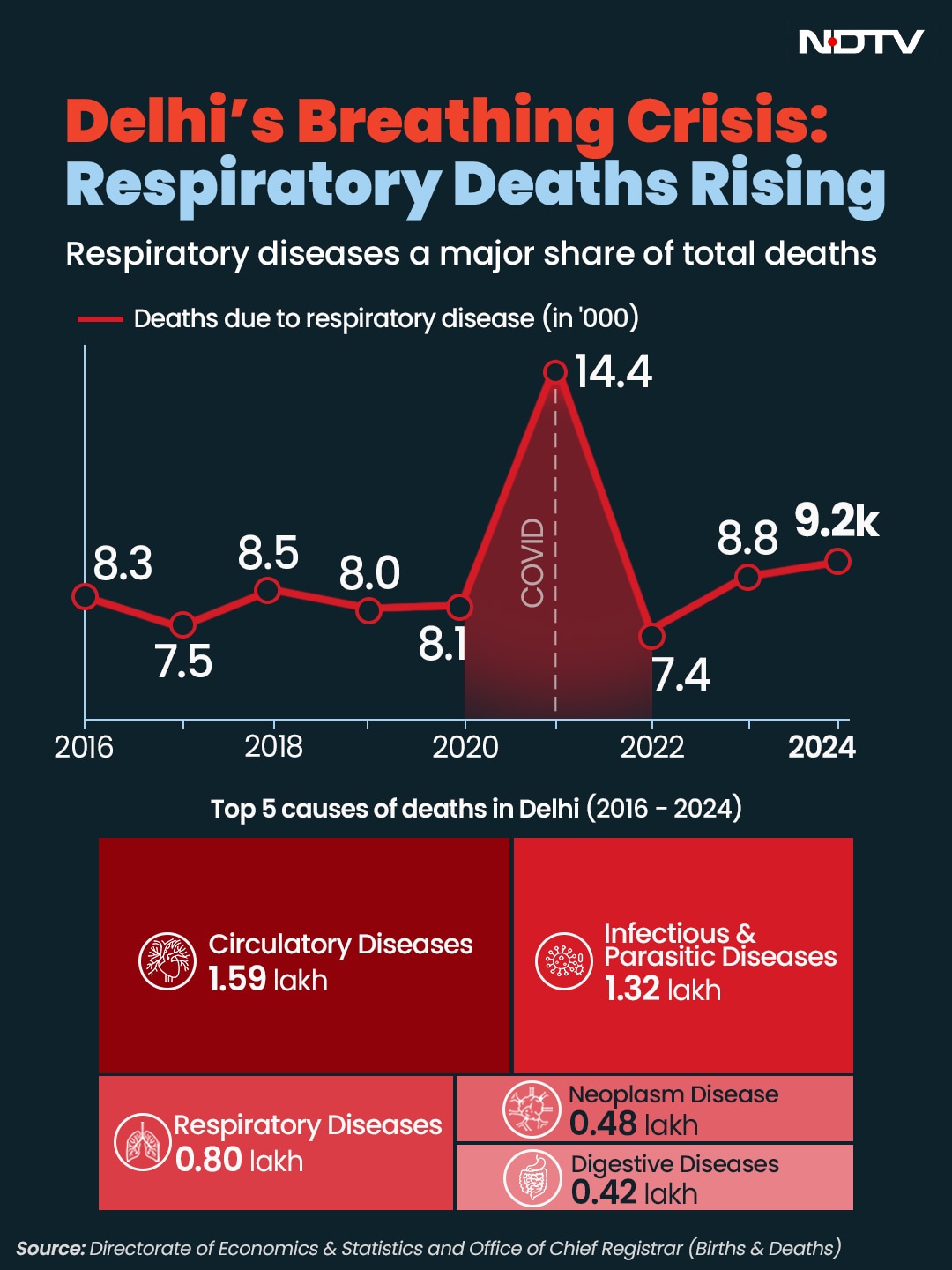
A longer trendline reinforces this pattern. Between 2016 and 2020, the capital consistently recorded between 7,500 and 8,500 respiratory deaths annually. The pandemic disrupted this trajectory, but the present figures suggest the city has largely returned to its earlier baseline rather than entering a new surge. The underlying issue, however, remains unchanged: respiratory illness has been a major driver of mortality in Delhi for years.
Across the nine-year period from 2016 to 2024, Delhi saw more than 80,000 deaths attributed to respiratory diseases. This makes them the third-largest medically certified cause of death in the city. Only circulatory diseases and infectious and parasitic diseases claim more lives. In contrast, deaths from cancers, digestive diseases, and several other categories are considerably lower, highlighting the scale and persistence of the respiratory disease burden.
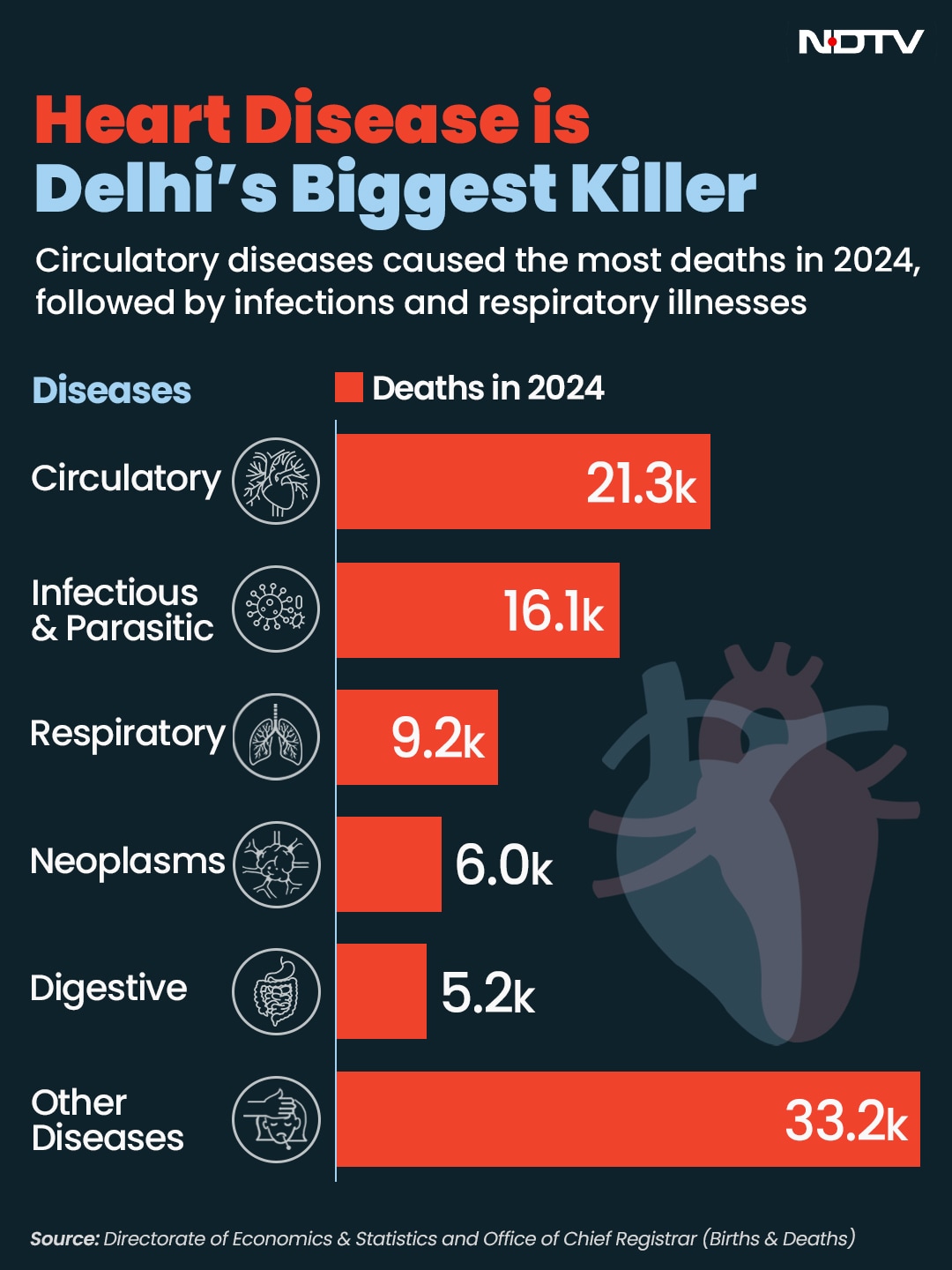
The latest yearly data reinforces this hierarchy. In 2024, circulatory diseases alone caused over 21,000 deaths, making heart-related ailments the leading cause of mortality. Infectious and parasitic diseases followed, with respiratory diseases ranking third-well ahead of several major disease groups.
Public health experts have long linked Delhi's respiratory disease load to chronic exposure to air pollution. The city's air repeatedly breaches safe limits, especially during winter, when a mix of particulate matter, vehicle emissions, industrial pollution, construction activity, and smoke from crop burning traps toxins close to the ground. Prolonged exposure damages lung function and increases vulnerability to infections and long-term disorders such as asthma, COPD, bronchitis, and pneumonia.
Environmental risks intersect with dense living conditions, fluctuating access to timely healthcare, and limited long-term management of chronic respiratory conditions. As a result, each winter's pollution spike does not just trigger immediate symptoms. It also worsens underlying illnesses, contributing to mortality over the year.
Delhi's respiratory story, then, is not merely about pollution peaks or seasonal emergencies. It is a longer, more entrenched pattern-one that shows how the city's air has become inseparable from the health of its residents and how breathing itself has become a public health challenge.
Disclaimer: This content including advice provides generic information only. It is in no way a substitute for a qualified medical opinion. Always consult a specialist or your own doctor for more information. NDTV does not claim responsibility for this information.