

)
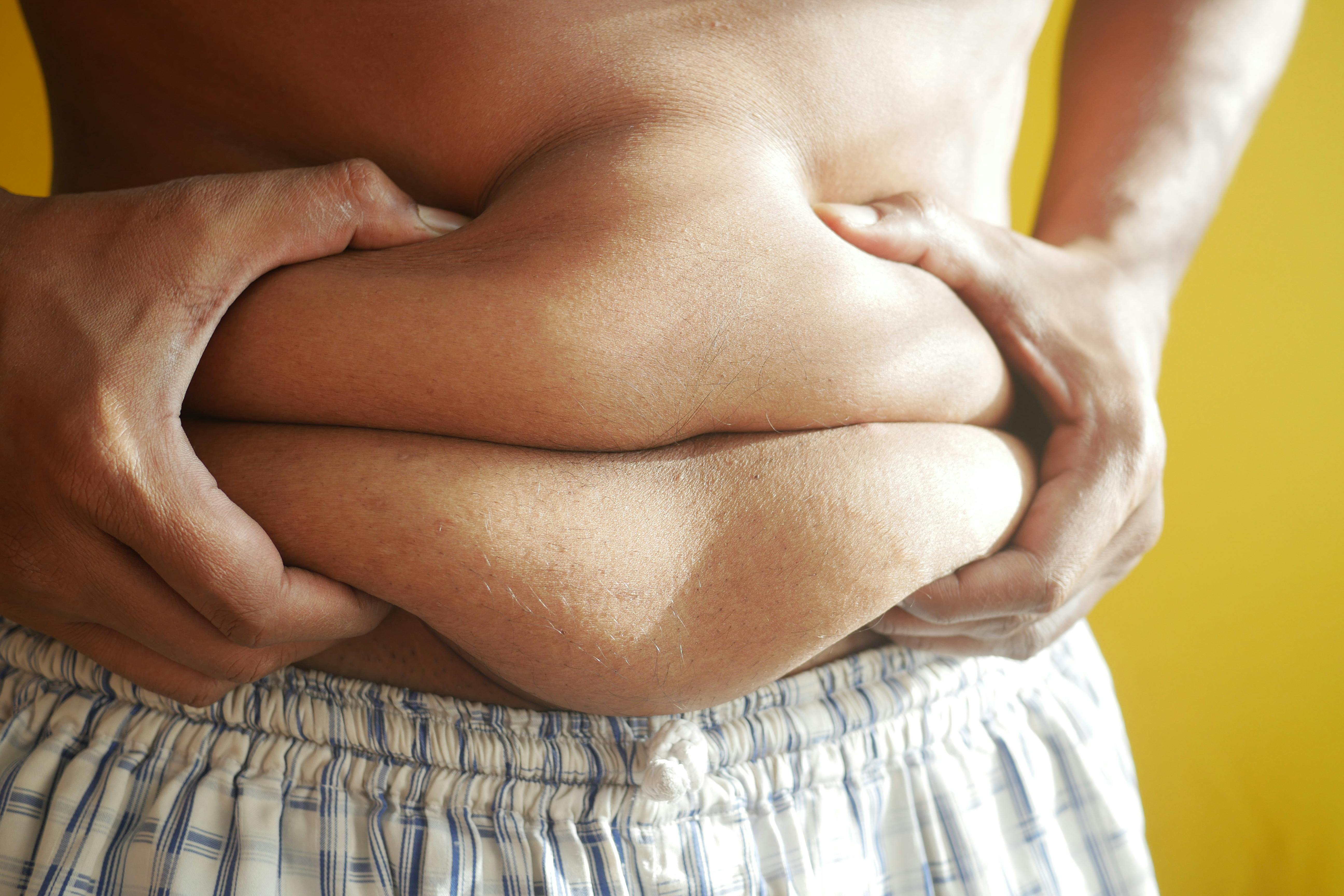
Abdominal belly fat is a concern for the majority of people. However, it can be caused due to various reasons. From stress and poor diet to no physical activity and poor sleep routine, there can be various reasons for abdominal belly fat. If you're aiming to lose weight, it is important to understand the cause of your belly fat. Your belly fat could be a result of stress and inflammation or it could be just fat deposition. Understanding this can help you address the issue and get rid of the fat.
Let's start by understanding what cortisol belly is.
Understanding Cortisol Belly
Cortisol, which is the body's primary stress hormone, spikes during chronic stress. This can lead to abdominal fat storage, known as cortisol belly. This visceral fat accumulates around organs, and is different from subcutaneous fat as it is deeper and more harmful. It is usually a result of poor sleep, high-sugar diets, over-exercising, or unmanaged anxiety, creating a "jiggly" midsection that moves as one unit. Inflammation comes along with this fat gain, which exacerbates bloating and leads to a protruding belly.
Simple, At-Home Test
In the reel, nutritionist Abram Anderson shares an easy, at-home test which can help you understand if you have a cortisol belly or just belly fat. He says, "This test you can do at home, will let you know if you have inflammation in your gut caused by high cortisol or if this big fat belly is just belly fat, because the solution to fix it is very different."
He also says, "You either need an anti-inflammatory protocol or you need to focus on losing belly fat."
Stand firmly, go up on your heels and then go down rapidly. If the belly area jiggles, it is just belly fat. However, Anderson says "if your whole belly bounces like one big cohesive unit, like you have a basketball in your gut and there's no jiggle, that is just inflammation. If it jiggles and moves as one big unit, you have body fat and inflammation." This is a sign of cortisol belly.
This test can help you understand your abdominal fat and you can take necessary steps to address the issue.
What Causes This Inflammation?
Chronic stress elevates cortisol, leading to fat storage. Poor sleep, along with this, disrupts cortisol rhythms, while excessive cardio without recovery spikes it further. High-glycemic foods and caffeine overload amplify the problem, leading to stubborn fat storage. Inflammation from gut imbalances or processed foods compounds this.
Ways To Reduce Cortisol Belly
Reducing gut inflammation can help reduce cortisol belly. Here are some ways that can help lower inflammation in your gut which eventually will help reduce your cortisol belly.
Anti-Inflammatory Diet
Consume whole foods that are rich in fibre, omega-3s, and probiotics and avoid processed items. Include leafy greens, berries, fatty fish like salmon, fermented foods such as yoghurt and kimchi, and spices like turmeric and ginger. These help to nourish the beneficial bacteria and repair the gut lining. Limit refined sugars, fried foods, alcohol, and potential irritants like gluten or dairy if you're sensitive to them.
Regular Exercise
Engage in low-intensity activities like walking, yoga, swimming, or cycling for 30 minutes daily. These improve gut motility, reduce bloating, and lower gastrointestinal inflammation by improving blood flow and microbiome diversity.
Stress Management
Practice meditation, deep breathing, or yoga to calm the gut-brain axis as stress disrupts through increased inflammatory cytokines. Chronic stress worsens gut permeability and symptoms like IBS. A daily 10-minute session can help restore balance.
Quality Sleep
Aim for 7-9 hours of sleep every night, as poor sleep reduces beneficial gut bacteria and increases pro-inflammatory markers. Consistent sleep supports microbiome diversity and butyrate production, which helps fight inflammation.
Hydration and Supplements
Stay hydrated as it can help in digestion and mucous production in the gut lining. You can also take supplements like probiotics, L-glutamine, or curcumin after consulting a doctor.
Disclaimer: This content including advice provides generic information only. It is in no way a substitute for a qualified medical opinion. Always consult a specialist or your own doctor for more information. NDTV does not claim responsibility for this information.