

)
Weight loss has become a common goal for a majority of people. And your diet often plays an important role in your weight loss journey. White rice is often one of the first foods people remove from their diet when they start trying to lose weight. It is commonly described as a high-carbohydrate food that can cause weight gain. This can lead many people to switch to brown rice or avoid rice altogether. However, completely cutting out white rice may not be necessary for everyone.
Speaking to NDTV, Dr Chirag Tandon, Director, Internal Medicine, ShardaCare-Healthcity, said that rice itself does not automatically cause weight gain. Weight loss depends on several factors, including the amount of food you eat, your total calorie intake, the foods you combine with rice and your overall eating pattern. "Rice itself does not automatically cause weight gain. The key factors are portion size, total calorie intake, what you eat with it and your overall dietary pattern," said Dr Tandon. Therefore, instead of treating white rice as a food that must be avoided, it is more important to understand how its portion size and preparation can affect your diet.
Is White Rice Bad For Weight Loss?
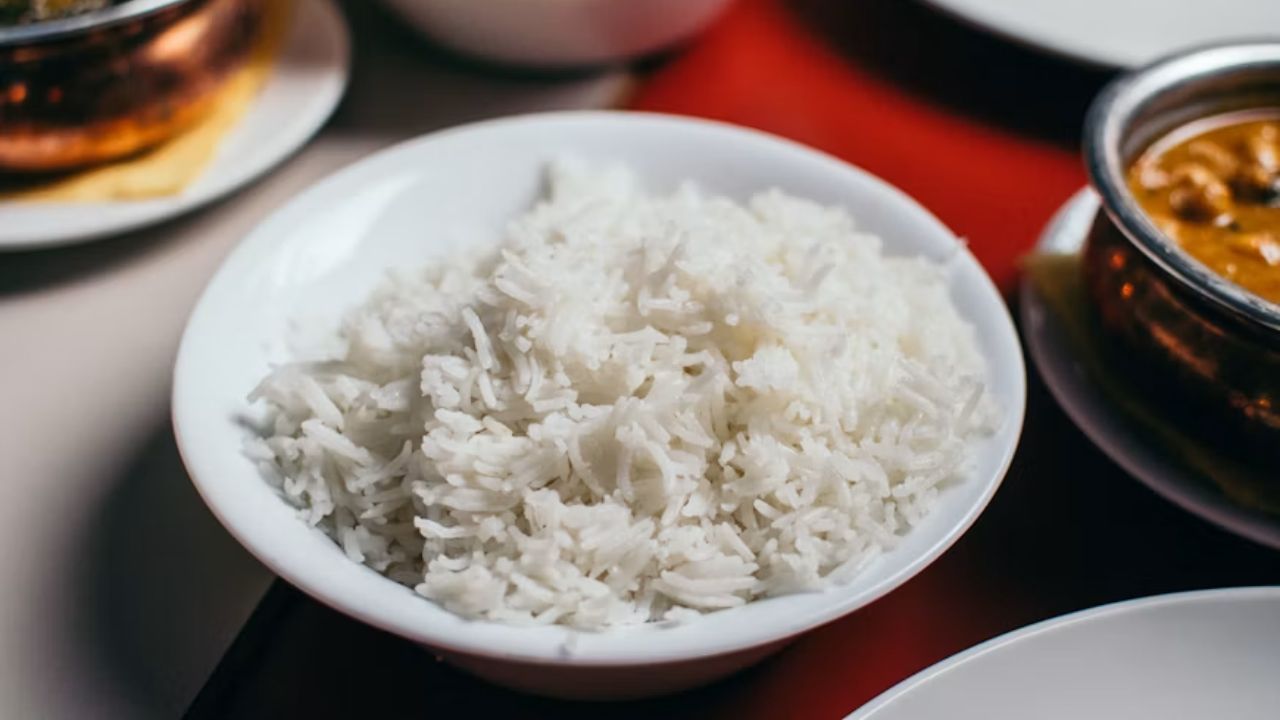
No, white rice is not necessarily bad for weight loss. The main factor behind weight loss is maintaining a calorie deficit, which means using more energy than you consume over time. White rice can be part of this diet when eaten in a controlled portion. Problems may arise when large servings become a regular part of meals and increase overall calorie intake.
White rice is a refined grain, which means some of the fibre and nutrients found in the whole grain are removed during processing. Since it has relatively less fibre, white rice can be digested more quickly and may not keep you feeling full for as long as higher-fibre carbohydrate sources. This can sometimes make it easier to eat larger portions or feel hungry again sooner. However, this does not mean that eating white rice will automatically prevent weight loss.
The bigger concern is what is served alongside it and how much is consumed. A large plate of rice combined with fried foods, rich gravies or sugary drinks can provide significantly more calories than a moderate serving of plain rice with vegetables and protein. For people who enjoy rice, your focus should be on portion control and building a balanced meal rather than completely eliminating the food.
Why Can White Rice Make Weight Loss Difficult?
One reason is the low fibre content of white rice. Fibre slows digestion and can help you feel full for longer. Since white rice contains less fibre than brown rice and other whole-grain carbohydrate sources, some people may feel hungry sooner after eating it.
This does not make white rice unhealthy by itself. However, if eating rice leaves you hungry and causes frequent snacking or larger meals later, it can make maintaining a calorie deficit more difficult.
Portion Size Is Important
When it comes to weight loss, how much rice you eat can be more important than whether you eat rice at all. A large serving can add a substantial amount of carbohydrates and calories to a meal. Instead of filling most of the plate with rice, consider keeping the portion moderate and use the remaining space for vegetables and a protein source.
This will allow you to continue enjoying rice without making it the main component of every meal.
What Should You Eat With White Rice?
Pairing rice with protein and fibre can make the meal more filling and balanced. Dr Tandon recommends combining a moderate serving of white rice with foods such as dal, eggs, fish, chicken or paneer, along with plenty of vegetables.
Protein can help improve satiety, while vegetables provide fibre, vitamins and minerals. Together, these foods can make a rice-based meal more nutritionally balanced. For example, a meal containing a moderate portion of rice, dal, cooked vegetables and a salad can be more filling and balanced than a large bowl of rice eaten on its own.
Be Careful About How Rice Is Served
The preparation of a meal can significantly change its calorie content. Plain rice itself may be relatively simple, but adding large amounts of oil, butter or other calorie-dense ingredients can increase the total calories. Similarly, rice served with fried foods, creamy or rich gravies and sugary beverages can turn a moderate meal into a calorie-heavy one.
This is why looking at the complete meal is more useful than blaming one food. Controlled portions of plain rice with vegetables and protein can fit comfortably into many weight-loss diets.
White rice does not automatically cause weight gain and does not have to be completely removed during weight loss. If you enjoy white rice, you can continue eating it in moderation. "For people trying to lose weight, the goal should not be to fear individual foods but to maintain a sustainable calorie deficit while eating nutritious, balanced meals. If you enjoy white rice, you don't necessarily need to give it up - portion control and the overall composition of your diet matter far more," added Dr Tandon.
Disclaimer: This content including advice provides generic information only. It is in no way a substitute for a qualified medical opinion. Always consult a specialist or your own doctor for more information. NDTV does not claim responsibility for this information.