

)
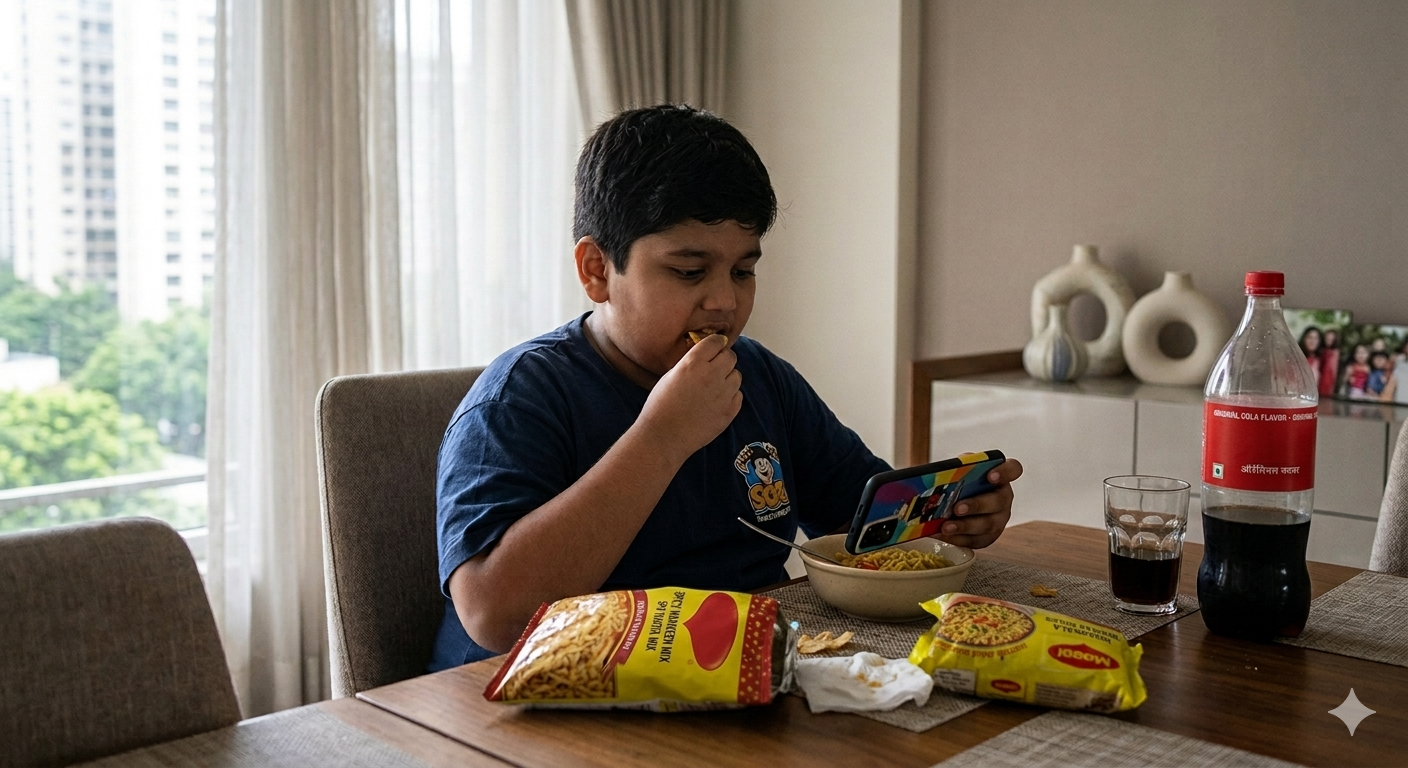
Having more weight does not mean being nourished appropriately. Childhood obesity is closely associated with unhealthy, energy-rich diets. This means children consume more energy than they need but lack essential vitamins and minerals necessary for healthy growth and normal functioning.
That fact is referred to as the "double burden" of malnutrition, as two consequences, such as excess weight and nutritional deficiency, occur at the same time. The issue is especially concerning because children have high nutritional needs during periods of rapid growth and development.
More Calories Do Not Always Mean Better Nutrition
For healthy development, children need to eat all three macronutrients, protein, carbs, and healthy fats, as well as all the essential micronutrients like iron, calcium, vitamin D, zinc, vitamin B12, and folate. Kids can be eating enough food, but that doesn't necessarily mean they're meeting these needs. For example, a diet that consists mainly of sweet drinks, processed snacks and candy, fried food or refined carbs can have lots of calories but very little micronutrients and fibre in it. Children could therefore gain too much weight, while not getting enough nutrients that promote immunity, bone health, blood formation, and brain development. That's why making an assessment of children based on their weight or BMI alone will be misleading.
How Can Food Choices Create Nutritional Gaps?
The key issue regarding childhood obesity primarily focuses on eating habits and not just on how much food the children consume. Children usually tend to choose food that tastes delicious and can be easily accessed but contains large amounts of sugar, sodium, or undesirable fats. The absence of a balanced breakfast will lead to a higher number of calories consumed. Drinking sodas instead of milk or water and consuming convenience foods in place of nutritious food is also likely to lead to excess calorie intake. Lack of a varied diet can cause deficiency diseases. For instance, if a child does not eat vegetables, fruits, legumes, whole grains, milk, or other foods rich in nutrients, they will lack many of the essential nutrients and vitamins.
Nutrients Particularly Important During Childhood
Childhood and adolescence are critical periods of development, so proper nutrition is deemed vital. Proteins are necessary for growing, forming muscles, and repairing tissues. Calcium and vitamin D are necessary for proper bone formation and development. Iron is important to form hemoglobin and supply enough oxygen to the tissues and functions in the development of the brain. Certain micronutrients such as zinc, vitamin A, folate, and vitamin B12 deal with immune system, metabolism, blood production, and normal growth. Therefore, an overweight child cannot be deemed to be getting the right nutrition automatically, and it must be taken into account that besides the amount of food intake, its quality, variety, and nutritional value are significant as well.
Excess Weight Can Add To The Nutritional Challenge
It can be perplexing to understand the connection between obesity and nutritional deficiencies. Obesity may contribute to processes that alter the metabolism of, or availability of, specific nutrients. Vitamin D is one nutrient that seems to have lower values in those suffering from obesity, although many other variables affect one's vitamin D levels. However, this does not indicate that all obese children suffer from vitamin and/or mineral deficiencies. Instead, this emphasises the need for a customised nutritional evaluation as opposed to assuming that patients with obesity are safe from nutritional deficiencies.
Look Beyond The Weighing Scale
Parents and caregivers need to think about a child's health and growth and development instead of just weight. A healthy diet is composed of different food varieties originating from different food groups. Daily meals should consist of protein food sources like legumes, beans, eggs, dairy, or others, depending on the age of the child, with vegetables, fruits, whole grains, and healthy fat sources such as nuts or seeds. Instead of trying to limit food for a growing child who is overweight, it is important to understand that poor nutrition can occur in a child when taking away too many calories or cutting out certain foods without professional help. The focus should be made on the improvement of the quality of food consumed by a child, portion sizes, food variety, and good eating habits.
When Should Parents Seek Professional Advice?
Some indicators may require more attention. If a child is overweight and shows signs of fatigue, inability to concentrate, frequent illnesses, low energy, etc., the parents should bring these observations to the attention of their pediatrician. The doctor will assess the child's growth history, nutrition, physical activity, and health condition in general. The doctor might suggest conducting a nutrition assessment or some tests instead of conducting all tests for possible deficiencies. Height and weight should be evaluated with regard to the age, height, gender of the child, and rate of growth.
Building Healthier Habits Without Stigma
The key idea in discussions regarding childhood obesity is health instead of image or guilt. Name-calling a child about their weight can add to their problems with food and body image. Instead, families can set up a more favorable environment for eating healthy by providing healthy food, restricting sugary drinks and junk food, promoting physical activity, and ensuring regular meal and sleep routines.
The Bigger Picture
It is possible to be both obese and malnourished. These conditions are not mutually exclusive. If we focus on the number of calories consumed or the figures on the scales, we may overlook crucial nutrition deficiencies. Healthy development and good nutrition should be the goal, rather than only weight loss. A combination of a healthy and nutritious diet, regular physical activity, and help from professionals will equip the child with the required nutrients. The message that should reach the parents is simple: never consider a child's health only by analyzing hair weight, but also by analyzing the diet of the child and its development.
(By Dt Deepali Sharma, Clinical Nutritionist at the CK Birla Hospital, Delhi)
Disclaimer: The opinions expressed within this article are the personal opinions of the author. NDTV is not responsible for the accuracy, completeness, suitability, or validity of any information on this article. All information is provided on an as-is basis. The information, facts or opinions appearing in the article do not reflect the views of NDTV and NDTV does not assume any responsibility or liability for the same.