

)
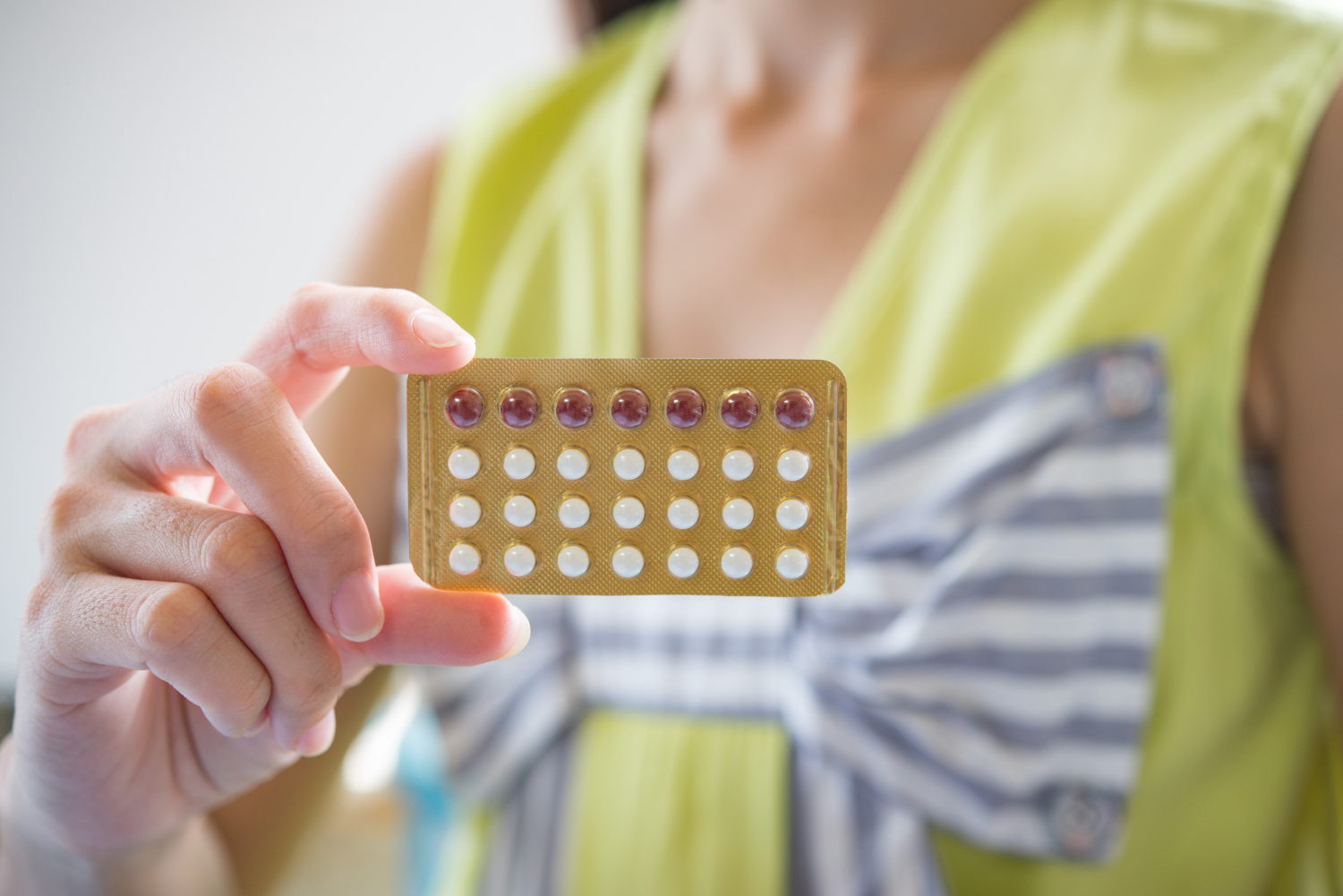
One of the most common worries women have about birth control is whether it might harm their future ability to conceive, especially if they use pills or other hormonal methods for years. This concern is understandable, but clinical evidence and expert guidance show that most reversible contraceptives do not cause permanent infertility. Reassuringly, after stopping methods such as combined oral contraceptives, progestin-only pills, patches, rings, implants or intrauterine devices (IUDs), a woman's normal reproductive cycle resumes, and fertility usually returns.
Reversible contraceptives work by temporarily preventing ovulation, thickening cervical mucus, and altering the uterine lining to stop pregnancy, but these effects cease when the hormones are stopped or the device is removed. As Dr. Deepak Shetty, Fertility Specialist at Nova IVF Fertility, Davanagere explains, "The way most reversible contraceptives work is through the suppression of ovulation, changing the cervical mucus and changing the endometrium. The effects are pharmacological, and when the hormone is stopped, a woman's normal hormonal cycle returns."
Yet, like all medical interventions, there are important nuances, including temporary delays and the unmasking of underlying fertility issues that were present before contraception began.
How Reversible Contraceptives Affect Fertility: Temporary vs Permanent Effects
Reversible contraception, whether hormonal (pills, patches, rings, implants, injections) or non-hormonal (copper IUD), does not damage the body's ability to conceive in the long term. Scientific analyses show that fertility returns to baseline for most women within one year of discontinuing the method, regardless of how long it was used.
A large demographic study analysing real-world data found that the majority of women conceive within one year after stopping reversible contraception, with probability ranges for pregnancy after pills, implants and IUDs similar to those for women who did not use contraception.
Moreover, a systematic review of multiple research reports concluded that prior contraceptive use does not negatively affect the ability to conceive and does not significantly delay fertility after stopping use.
Also Read: Can You Get Pregnant If You Have Endometriosis? Fertility Doctor Answers
Delay Does Not Mean Damage
However, Dr Shetty emphasises an important point: "'delay' is not equal to 'damage.' Some methods can be associated with a longer interval to first ovulation after discontinuation, commonly several months, but this is transient in most cases." For example, injectable contraceptives may show the longest delay, with fertility taking several months longer to resume compared with other methods.
Clinical research supports this. One observational study found that return of normal fertility varies by method, with injectable contraceptives associated with a delay of five to eight cycles, while oral contraceptives or rings showed delays of about three cycles, and IUDs or implants about two cycles.
Why Misconceptions Persist
Many women believe that prolonged contraceptive use "weakens" fertility, but research contradicts this. The suppression of ovulation during use can mask underlying conditions such as irregular cycles or hormonal disorders, which only become evident once contraception stops. Dr Shetty notes that "[a] patient who had irregular cycles before starting the pill may appear 'fertile' while on regularised cycles; once the pill is stopped, the underlying ovulatory problem becomes apparent." This can mistakenly be attributed to contraception itself, when in fact the issue predates its use.
Fertility After Specific Contraceptives Explained
- Oral Contraceptives (Pills, Patches, Rings): Most women experience ovulation return within a few cycles, often in two or three menstrual cycles, after stopping, with fertility typically returning fully within a year.
- IUDs and Implants: Both hormonal and non-hormonal IUDs allow fertility to return quickly after removal, often within a couple of menstrual cycles, because their action is local and reversible.
- Injectable Contraceptives: Methods such as depot medroxyprogesterone acetate may take longer, up to several months, for ovulation to resume, but this delay is temporary.
Also Read: Fertility Diet Isn't Just For Women: Expert Shares Diet Tips To Boost Sperm Count
When to Seek Fertility Evaluation
If a woman has stopped contraception and cannot conceive within 12 months of trying (or within 6 months for women aged 35 or above), medical evaluation is recommended. This aligns with standard clinical definitions of infertility and helps detect any underlying issues unrelated to contraceptive use, such as age-related egg quality decline, male partner factors, or reproductive disorders like endometriosis and pelvic inflammatory disease. Dr Shetty explains that this structured approach to fertility evaluation allows patients to make informed choices without unnecessary anxiety.
Reversible forms of contraception do not cause permanent infertility for most women. Fertility generally returns to baseline after stopping hormonal or non-hormonal contraceptives, although the timeline can vary by method. Understanding that a short delay is not a sign of damage helps reassure many patients. Careful history-taking and personalised counselling, as emphasised by experts including Dr Deepak Shetty, empower women to make informed reproductive choices, free of unfounded fears. If conception does not occur within the expected time frame after stopping contraception, medical evaluation should be pursued to rule out other factors.
Disclaimer: This content including advice provides generic information only. It is in no way a substitute for a qualified medical opinion. Always consult a specialist or your own doctor for more information. NDTV does not claim responsibility for this information.