

)
The health of your brain becomes increasingly important with age as your brain's neural pathways are impacted. One way to preserve your brain health is to consume enough omega-3 fatty acids, as they play an active role in supporting memory, cognition, and healthy brain ageing. But a major factor to consider is the difference between consuming foods that are rich in omega-3 fatty acids and your gut actually absorbing them effectively. The science of bioavailability is what matters when an important nutrient group that benefits the brain is considered. A systematic review published in Scientific Reports mentions that brain health is greatly influenced by your intake of omega-3 fatty acids, as the molecules of this crucial polyunsaturated fat are responsible for nourishing the brain's neural pathways. If these pathways are well nourished, then their ability to process information increases.
Why Omega-3 Matters For The Ageing Brain
Researchers have identified that omega-3 fatty acids are responsible for brain health, as they can be proven to improve memory, attention, language, processing speed, and visuospatial ability, as well as cognitive ability to distinguish between people's faces. Omega-3 is key to nourishing the DHA, which is a structural component of the brain. It can enhance the way neural pathways interact with each other, especially between two brain cells.
Brain function can be boosted when the body has an adequate level of omega-3, as it plays an active role in concentration, memory, and cognition.
Why Your Body May Not Absorb Enough Omega-3
Everybody is built differently, and access to high sources of omega-3 is what can become a major lack in the required omega-3 fatty acids in the body. There are three subgroups of omega-3 fatty acids known as 3, 6, and 9, which are needed in a specific ratio for the body to process them effectively. If the body lacks the digestive capabilities to process these fatty acids, then it can suffer from a deficiency. Age is also a factor that influences how much omega-3 can be utilised by your body.
1. Choose Fatty Fish Rich In DHA And EPA
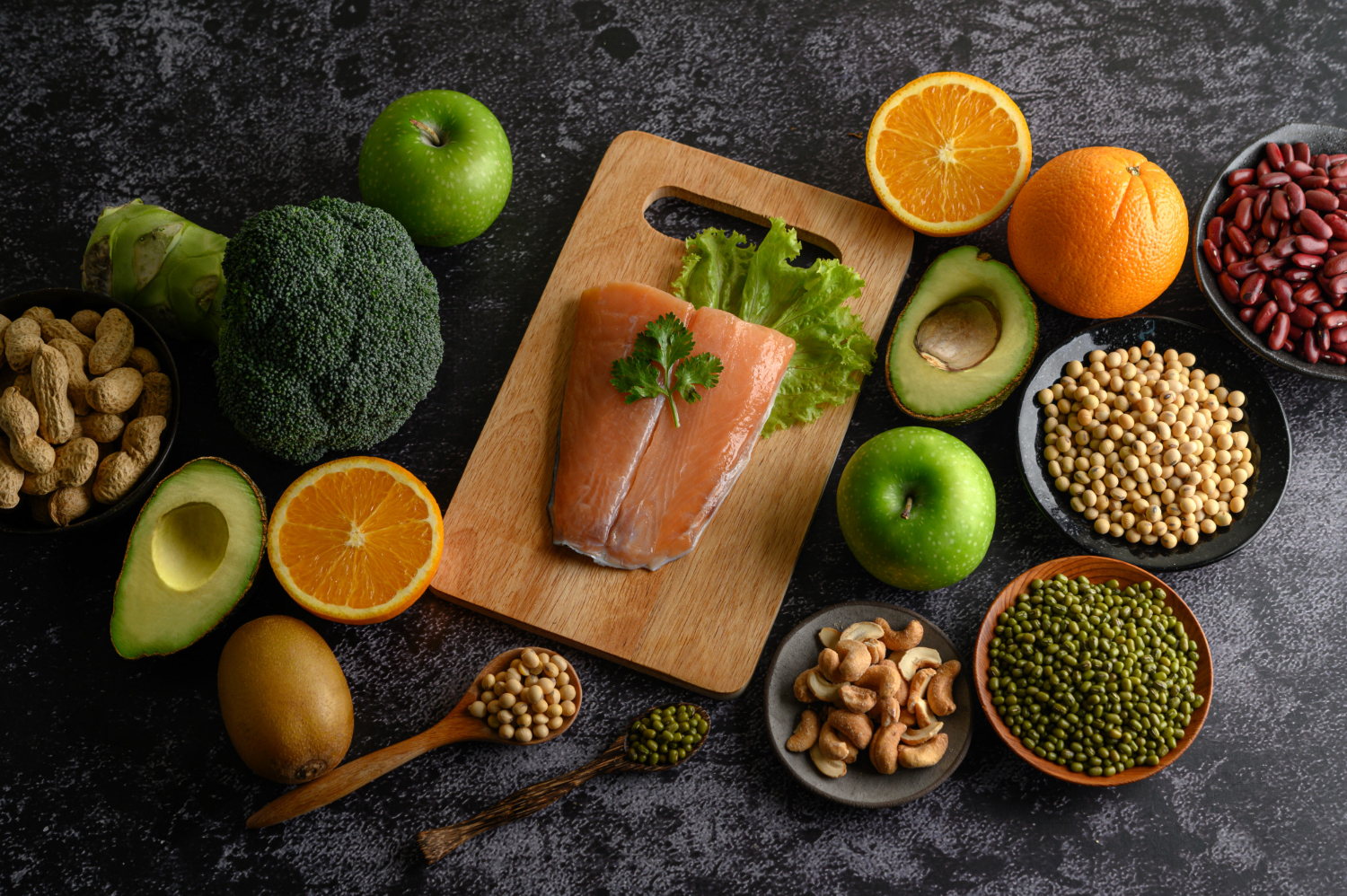
Fatty fishes such as salmon, sardines, mackerel, trout, and herring are rich sources of omega-3 fatty acids. Alongside this, these kinds of fatty fish and fish oils contain DHA (Docosahexaenoic Acid) and EPA (Eicosapentaenoic Acid). These two types of fats are responsible for nourishing the brain, eyes, and nervous system, along with supporting brain health.
These forms of omega-3 fatty acids are readily absorbable by the body and can be identified as a grey layer between the fish skin and the fatty fish.
2. Eat Omega-3 Foods With A Healthy Fat Source
Any source of foods that are rich in omega-3s needs to be consumed with a healthy fthe presencecrease its absorption rate. Research published in the Future Journal of Pharmaceutical Sciences Journal suggests that presence of a healthy fat tends to increase the omega-3 absorption in the body. For instance, combining fatty fish with olive oil, avocados, nuts or seeds can increase their omega-3 quotient.
3. Include Plant-Based Omega-3s Every Day
You need to balance plant-based and marine sources of omega-3s by giving your body's nutritional needs the maximum health benefits. Making foods such as flaxseeds, chia seeds, walnuts and hemp seeds in small portions can benefit the absorption rate of omega-3s in your body.
Note: Plant-based omega-3s need to be converted to ALA, which can readily be absorbed by the body. While marine sources are readily absorbed.
4. Limit Excess Ultra-Processed Foods
The intake of ultra-processed foods needs to be at a bare minimum if you want to protect your brain health. A high intake of certain processed foods can result in an imbalance in the level of omega-3, so maintaining a healthy dietary ratio is necessary.
5. Consider Algal Omega-3 If You Do Not Eat Fish
Another source of omega-3 that can be used to increase your levels of omega-3 is algae or algal oils as per the research published in the Bioresource Technology Reports. These concentrations can be safely prescribed by a medical specialist after a doctor consultation and checking your required omega-3 levels. This vegetarian DHA supplement is beneficial for brain health as it can improve memory retention and overall cognition.
6. Support Gut Health For Better Nutrient Absorption
When your gut microbiome is able to function optimally as it receives a supply of probiotics and fibre-rich foods along with required hydration, then the gut is able to absorb omega-3 more quickly. Thus, supporting good digestive health is important for supporting nutrient utilisation by the body.
7. Spread Omega-3 Intake Across The Week
You need to distribute your intake of omega-3 throughout the week to let your gut absorb it in a better manner. And sticking to a consistent schedule is necessary for compensating for the body's needs, as they can fluctuate depending on the season. You can plan your weekly meals to include a source of omega-3 daily or once every three days to let it balance itself out as it becomes a part of what is on your plate.
Signs You May Not Be Getting Enough Omega-3
If your body is suffering from these signs, then you need to balance the intake of your omega-3 levels. These signs can be the following:
- Dry skin
- Poor concentration
- Fatigue
- Memory lapses
- Mood changes
When the body suffers from an omega-3 deficiency, then brain function is heavily impacted, as its pathways aren't getting the nourishment that is needed.
How Much Omega-3 Do Adults Need?
Research published in the Nutrition Reviews suggests that 250 mg/day of EPA and DHA is the recommended daily intake for healthy adults across national and international guidelines. While your age may serve as a major factor that can affect the absorption rate, you need to consult a nutritionist or dietician for the right approach to take.
If you want to boost the health of your brain, then you need to balance the intake of omega-3s in your diet, along with ensuring that your body can absorb them effectively.
Also Read: Your Gut Is Making Decisions About Your Weight That You Don't Even Know About
Disclaimer: This content including advice provides generic information only. It is in no way a substitute for a qualified medical opinion. Always consult a specialist or your own doctor for more information. NDTV does not claim responsibility for this information.