

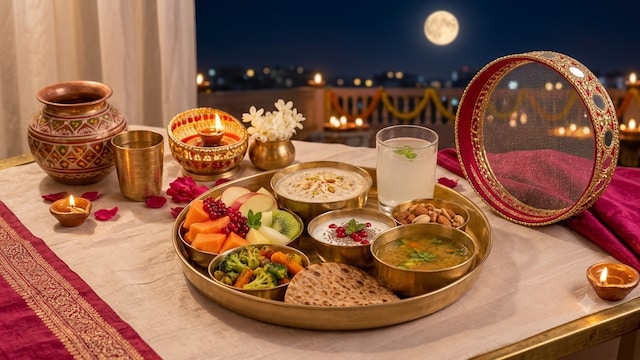
I grew up watching my mother and aunts observe Karwa Chauth. The early morning sargi, my father actively participating and feeding the women, the preparations through the day, the excitement around moonrise and the rituals that brought everyone together and these are memories I have grown up with.
There is something special about traditions that connect generations of women. I have always loved the ritual and continue to observe the fast every year.
But over time, I have also noticed how the day can take a toll on the body. Headaches, acidity, nausea, dizziness and that familiar feeling of being completely drained are complaints many women share. And when the fast finally ends, the temptation to eat everything in sight can be hard to resist. Sometimes, that first meal leaves you feeling even more uncomfortable.
It got me thinking: we put so much thought into preparing for Karwa Chauth, but do we give the same attention to what we eat before the fast and how we break it?
This year, I wanted to understand the ritual a little better from a health perspective. Not to take away from a tradition that means so much to me and so many other women, but to explore how we can observe it more mindfully.
And while this conversation begins with Karwa Chauth, the lessons can apply to other religious fasts, too. The details may differ depending on how long you fast and whether you are allowed to drink water or eat certain foods, but preparing well and listening to your body matter in every case.
Sargi: It's not about eating as much as you can
For many women, sargi is the most important meal before the day-long fast begins. What goes on the plate varies from family to family. It could be phenia, sweets, fruit, nuts, parathas or other traditional favourites.
But does eating more mean you will feel better through the day? Not necessarily. The idea is to have a balanced meal that keeps you nourished for longer, rather than relying only on sugary or fried foods. A vegetable paratha with curd, oats with milk and nuts, or vegetable dalia with a protein-rich accompaniment can be practical options. Fruit adds fibre and other nutrients, while drinking enough water before the fast begins can help you start the day well hydrated.
You do not need to force yourself to eat an enormous meal. The aim is to eat enough, choose foods that suit you and avoid beginning the fast feeling uncomfortably full.
Clinical nutritionist Lovneet Batra suggests making hydration and balanced nutrition the priority during sargi. "Start your Sargi with hydration and electrolytes. Have coconut water with a pinch of salt, an apple for pectin & soluble fiber, and slow-releasing carbs like aloo roti or vegetable dalia, paired with curd for protein. This balance helps you stay energized and fuller for longer, while reducing the chances of an energy slump. Eat slowly, avoid very spicy or oily foods, and don't overeat to compensate for the long fast."
Of course, what works for one person may not work for another. The idea is to plan your meal thoughtfully, rather than trying to eat as much as possible in the hope that hunger will disappear for the rest of the day.
READ | Karwa Chauth 2025: Biohacking The Fast For Resilience, Hormonal Balance And Longevity
Breaking the fast: Resist the urge to eat everything at once
For me, this is where we need to pay particular attention. After going without food and water for hours, it is natural to look forward to a proper meal. But eating a large dinner too quickly can leave you feeling bloated, excessively full or uncomfortable, particularly if you are already prone to acidity.
A simple approach is to start by sipping water slowly. If dates or a small sweet are part of your tradition, you can have them in moderation. There is no need to load up on sugar to regain your energy.
Shruti Khattar, Certified nutritionist and weightloss specialist, DietKraft suggests beginning with small, easily digestible portions before moving on to a complete meal. "Start by sipping water slowly and have a date or two if you tolerate them well. You can then have a light option such as fruit or mild vegetable soup before moving on to a balanced meal. Moong dal khichdi with curd, dal with rice and cooked vegetables, or soft roti with dal and a mild sabzi can be nourishing choices."
Eat slowly, give yourself time and stop when you feel comfortably satisfied. You do not need to follow a complicated sequence or wait a fixed amount of time between every course if you feel comfortable eating a meal.
Lovneet Batra recommends easing back into eating rather than overwhelming the digestive system immediately after the fast. "To break your fast, start with a date and shikanji, then follow it with an easy to digest meal like dal and rice. This helps you ease back into eating without overwhelming your digestive system. Eat slowly and avoid very spicy or oily foods to reduce the chances of acidity", adds Lovneet.
Khattar also advises avoiding foods that may be difficult to digest immediately after a long fast. "Try not to begin with deep-fried foods, very spicy dishes, large portions of sweets, excess tea or coffee, or carbonated drinks. These may worsen acidity, bloating or discomfort, especially if you are sensitive to them. The first meal should be moderate and balanced, with carbohydrates, protein and cooked vegetables."
The important thing to remember is that there is no magic food or guaranteed sequence that will prevent a headache or acidity. What matters is replenishing fluids, eating sensibly and avoiding a sudden, very heavy meal.
READ | Should You Fast For Karwa Chauth During Pregnancy? Gynaecologist Shares Safety Tips
Why do some women feel dizzy, tired or acidic after fasting?
These symptoms are often brushed aside as an unavoidable part of Karwa Chauth. But they deserve attention.
A headache or light-headedness may be linked to dehydration, hunger, caffeine withdrawal or changes in blood glucose, among other causes. Acidity and bloating may be influenced by individual food triggers, long gaps between meals or the kind of food eaten when the fast ends.
Not everyone experiences fasting in the same way. Your hydration levels, usual eating habits, health conditions and medication can all make a difference.
If you regularly feel unwell during Karwa Chauth, it is worth discussing this with a qualified healthcare professional instead of simply pushing through the symptoms every year.
Does the same advice apply to other religious fasts?
Broadly, yes but the details matter. Not all religious fasts follow the same rules. Some allow water or certain foods, while others involve going without both food and fluids for extended periods. The advice also changes depending on the length of the fast and a person's health.
The basic principles are straightforward: eat balanced meals when food is permitted, drink enough fluids during the hours when drinking is allowed, avoid overeating when the fast ends and pay attention to how you feel.
There is no single fasting routine that works for everyone. Someone observing a short fast that permits water will have different needs from someone who goes without fluids for an entire day.
And if fasting repeatedly leaves you feeling weak, dizzy or unwell, do not assume that discomfort is something you simply have to endure.
When should you speak to a doctor?
Fasting without water is not suitable for everyone. People with diabetes, kidney disease, certain heart conditions or other medical problems should seek individual medical advice before undertaking a strict fast. The same applies to people taking medicines that need to be taken with food or at specific intervals. Pregnant or breastfeeding women should also discuss fasting with their healthcare professional.
Do not change your medication schedule on your own to accommodate a fast. Severe dizziness, fainting, confusion or significant weakness should never be ignored in the name of completing a ritual. Stop and seek appropriate medical attention if you experience concerning symptoms.
READ | Not Losing Weight Despite Best Efforts? Nutritionist Highlights 3 Key Factors At Play
A tradition worth celebrating and a body worth caring for
When I think of Karwa Chauth, I think of the women in my family, my friends and the community around me. I think of the preparations, the anticipation, the shared excitement and the rituals that make the day memorable. I would never want a conversation about health to take away from that meaning. But perhaps we can bring a little more awareness to the way we observe the fast. We can prepare our sargi thoughtfully, break the fast without rushing and recognise when our bodies need attention.
For me, that is what a more mindful Karwa Chauth looks like. Because faith, love and tradition matter. So does our health. And we do not have to choose between the two.
Disclaimer: This content including advice provides generic information only. It is in no way a substitute for a qualified medical opinion. Always consult a specialist or your own doctor for more information. NDTV does not claim responsibility for this information.