

)
Escalating tensions involving Iran and other parts of the Middle East are raising alarm among global health agencies about a potential humanitarian and public health crisis. While armed conflict is often measured in military and geopolitical terms, health experts warn that the consequences extend far beyond the battlefield. According to the World Health Organization (WHO), conflict situations can rapidly trigger multiple overlapping health emergencies, including traumatic injuries, infectious disease outbreaks, mental health crises and disruptions to essential healthcare services. Damage to hospitals, displacement of civilians and shortages of medicines often compound the situation, leaving already vulnerable populations at greater risk.
The Middle East has experienced repeated cycles of conflict in recent decades, and health experts say similar patterns tend to emerge whenever large-scale violence escalates. Studies from humanitarian agencies show that indirect health effects, such as disease outbreaks, malnutrition and untreated chronic illnesses, often cause as many deaths as the conflict itself.
As tensions deepen, global health agencies are closely monitoring the region. Experts warn that unless healthcare access, humanitarian aid and environmental safety are protected, the unfolding situation could trigger several major public-health emergencies affecting millions of people.
1. Rising Trauma Injuries And Emergency Care Needs
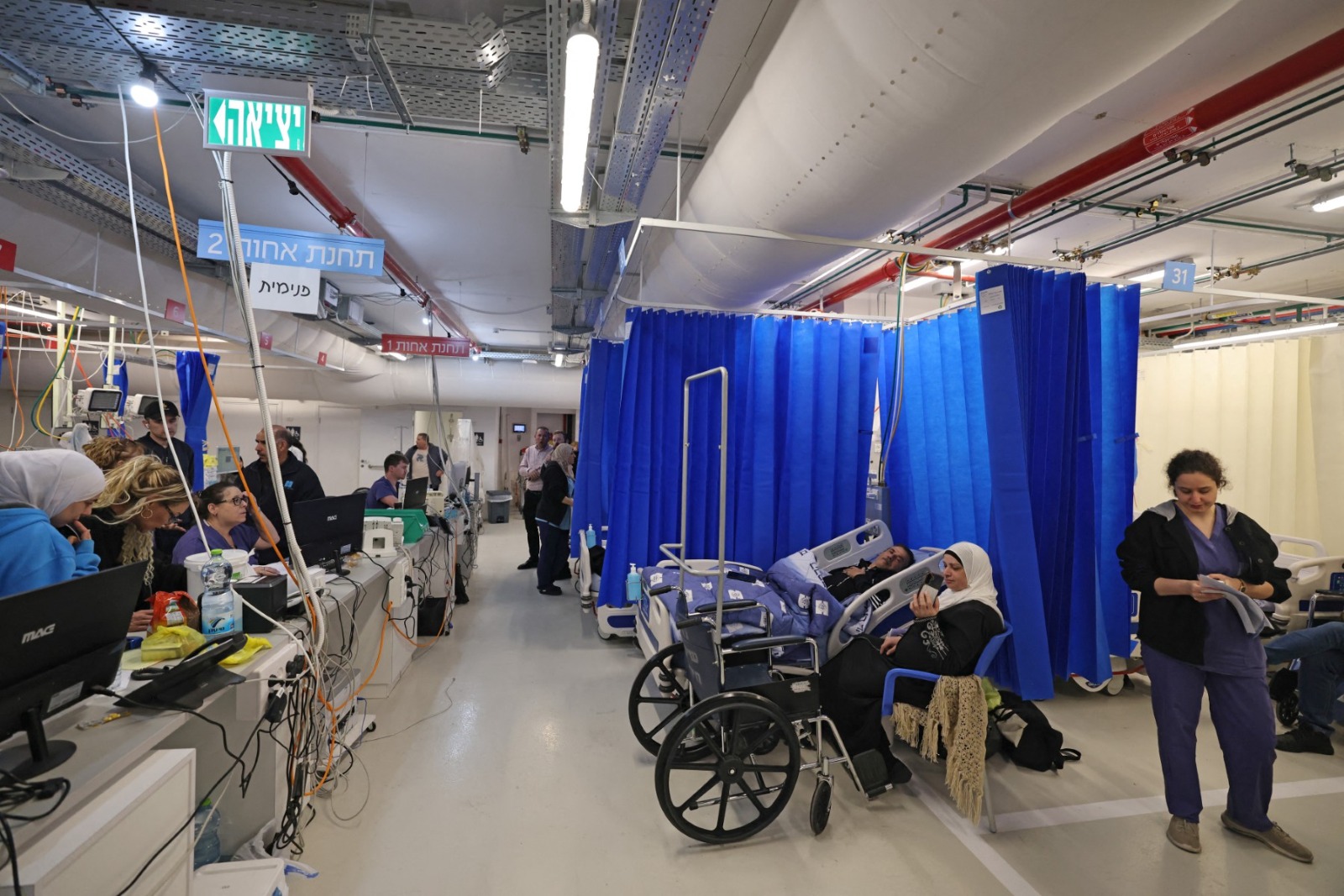
One of the most immediate health impacts of conflict is a surge in traumatic injuries. Explosions, missile strikes and urban combat can cause severe injuries such as burns, fractures, internal bleeding and head trauma. Hospitals often face sudden surges in emergency patients, quickly overwhelming trauma care systems.
According to the WHO, health facilities in conflict zones frequently operate beyond capacity during active fighting, while shortages of surgical equipment and trained personnel further complicate treatment.
Also Read: WHO Warns Of Deepening Health Crisis As Middle East Conflict Disrupts Medical Supply Chains
2. Damage To Hospitals And Healthcare Systems
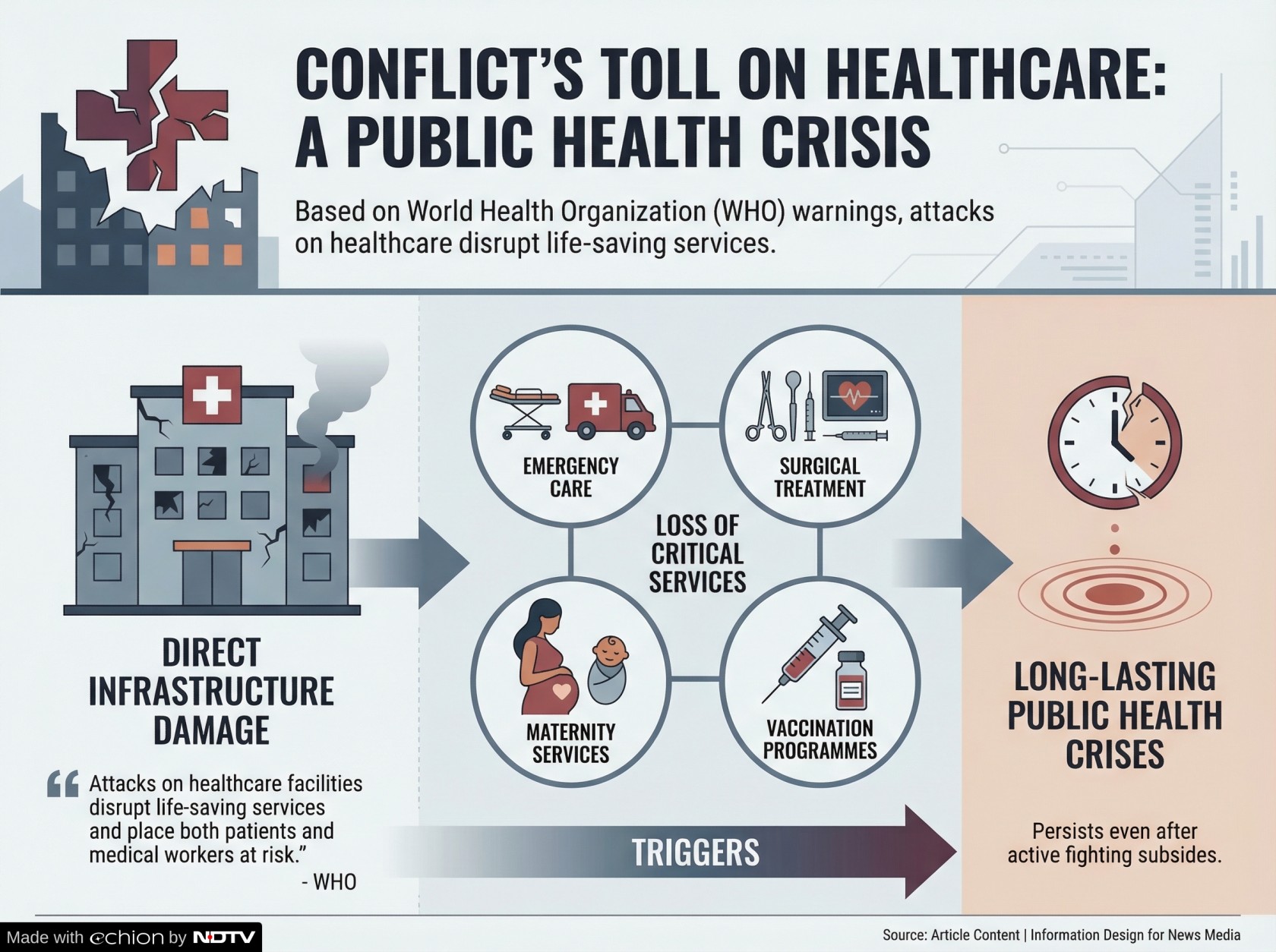
Conflict often directly damages healthcare infrastructure. The WHO has repeatedly warned that attacks on healthcare facilities disrupt life-saving services and place both patients and medical workers at risk.
When hospitals are destroyed or forced to close, civilians may lose access to:
- Emergency care
- Surgical treatment
- Maternity services
- Vaccination programmes
Loss of healthcare infrastructure can trigger long-lasting public health crises even after active fighting subsides.
3. Mass Displacement And Refugee Health Risks
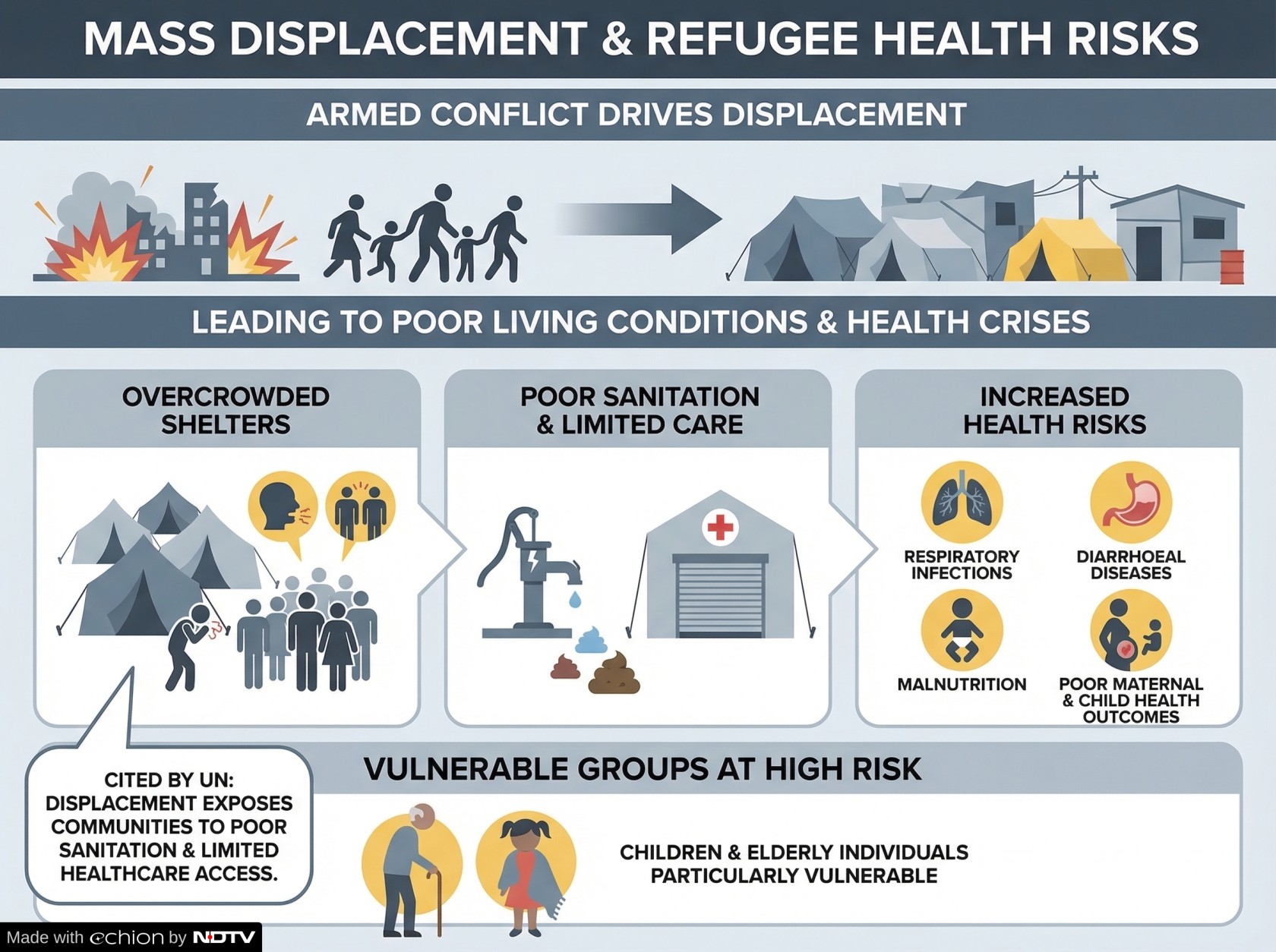
Armed conflict frequently forces civilians to flee their homes, creating large populations of displaced people. According to humanitarian assessments cited by the United Nations, displacement can expose communities to overcrowded shelters, poor sanitation and limited healthcare access.
These conditions increase risks of:
- Respiratory infections
- Diarrhoeal diseases
- Malnutrition
- Poor maternal and child health outcomes
- Children and elderly individuals are particularly vulnerable in such environments.
4. Outbreaks Of Infectious Diseases
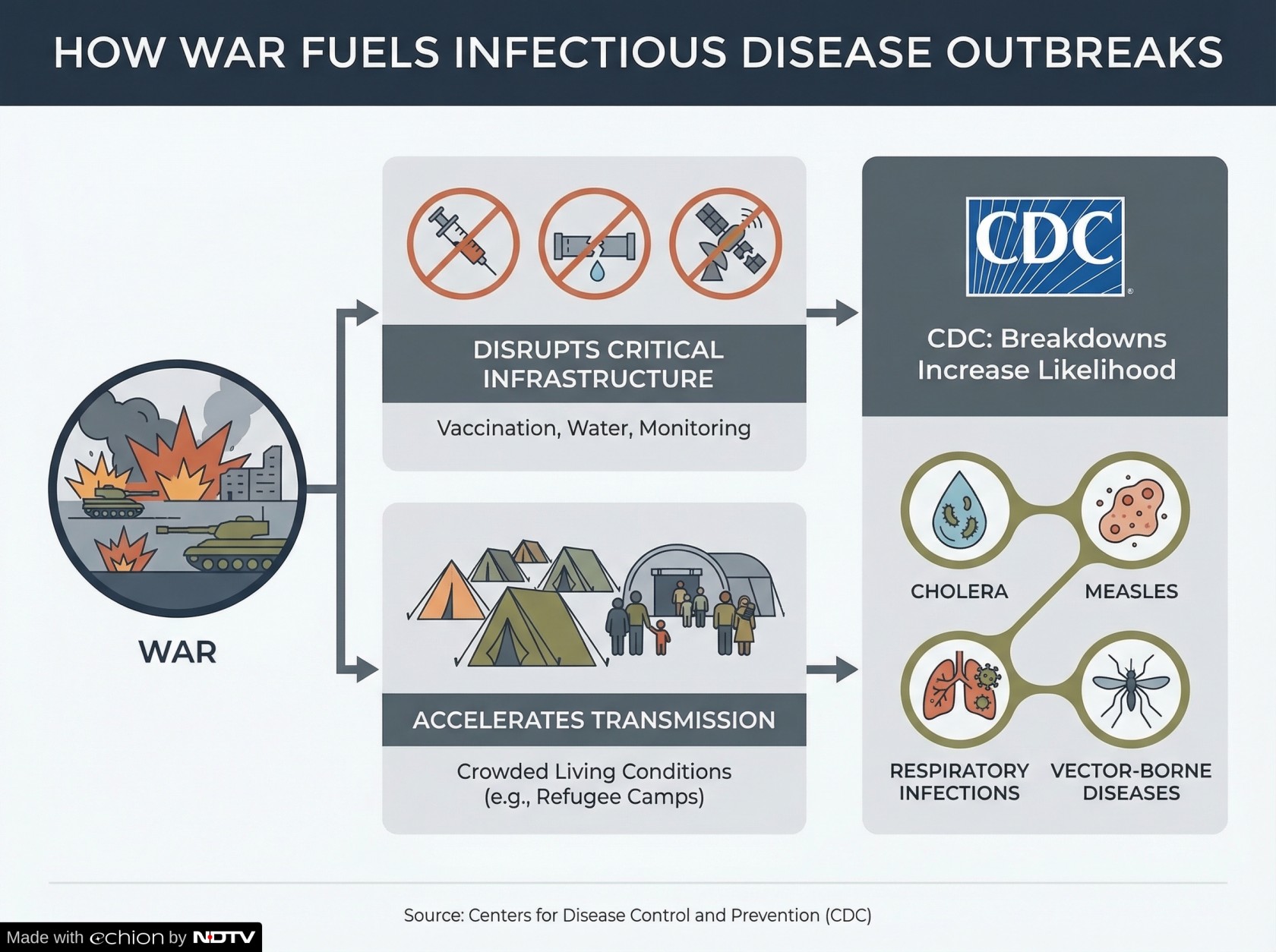
War can disrupt vaccination programmes, water supply systems and disease monitoring networks. The Centers for Disease Control and Prevention (CDC) notes that breakdowns in sanitation and healthcare services increase the likelihood of outbreaks such as:
- Cholera
- Measles
- Respiratory infections
- Vector-borne diseases
Crowded living conditions in refugee camps further accelerate disease transmission.
5. Shortage Of Medicines And Medical Supplies
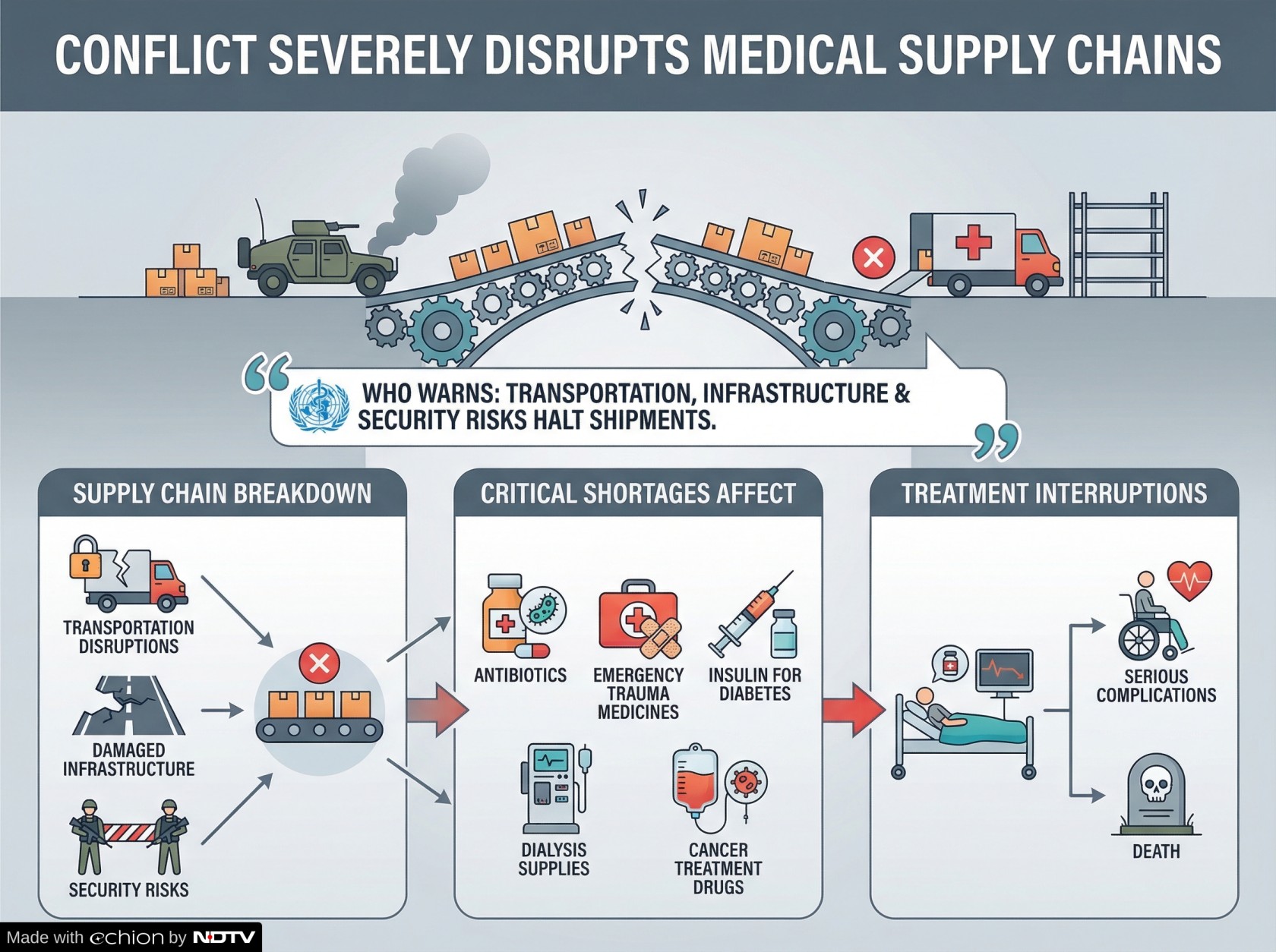
Conflict can severely disrupt supply chains for essential medicines and medical equipment. The WHO has warned that transportation disruptions, damaged infrastructure and security risks can halt shipments of medical supplies.
Shortages may affect:
- Antibiotics
- Emergency trauma medicines
- Insulin for diabetes patients
- Dialysis supplies
- Cancer treatment drugs
Interruptions in treatment for chronic illnesses can lead to serious complications or death.
6. Environmental Pollution And Toxic Exposure
Large-scale explosions, fires and damaged industrial infrastructure can release toxic pollutants into the environment. The WHO has already warned of black rain in Iran due to burning of oil reserves. Health experts warn that smoke, chemicals and particulate pollution from burning oil or industrial facilities may lead to:
- Respiratory diseases
- Eye and skin irritation
- Long-term cardiovascular risks
The WHO notes that exposure to fine particulate matter from fires can significantly worsen lung and heart conditions.
Also Read: Black Rain Health Risks Explained: WHO Warns Of Toxic Fallout In Iran
7. Mental Health And Psychological Trauma
The psychological impact of war is another major health concern. According to the United Nations Children's Fund (UNICEF), children exposed to violence and displacement often experience long-term mental health effects such as:
- Post-traumatic stress disorder (PTSD)
- Anxiety and depression
- Sleep disturbances
- Behavioural difficulties
Adults may also develop severe psychological distress due to loss, displacement and constant exposure to violence.
8. Maternal And Child Health Emergencies
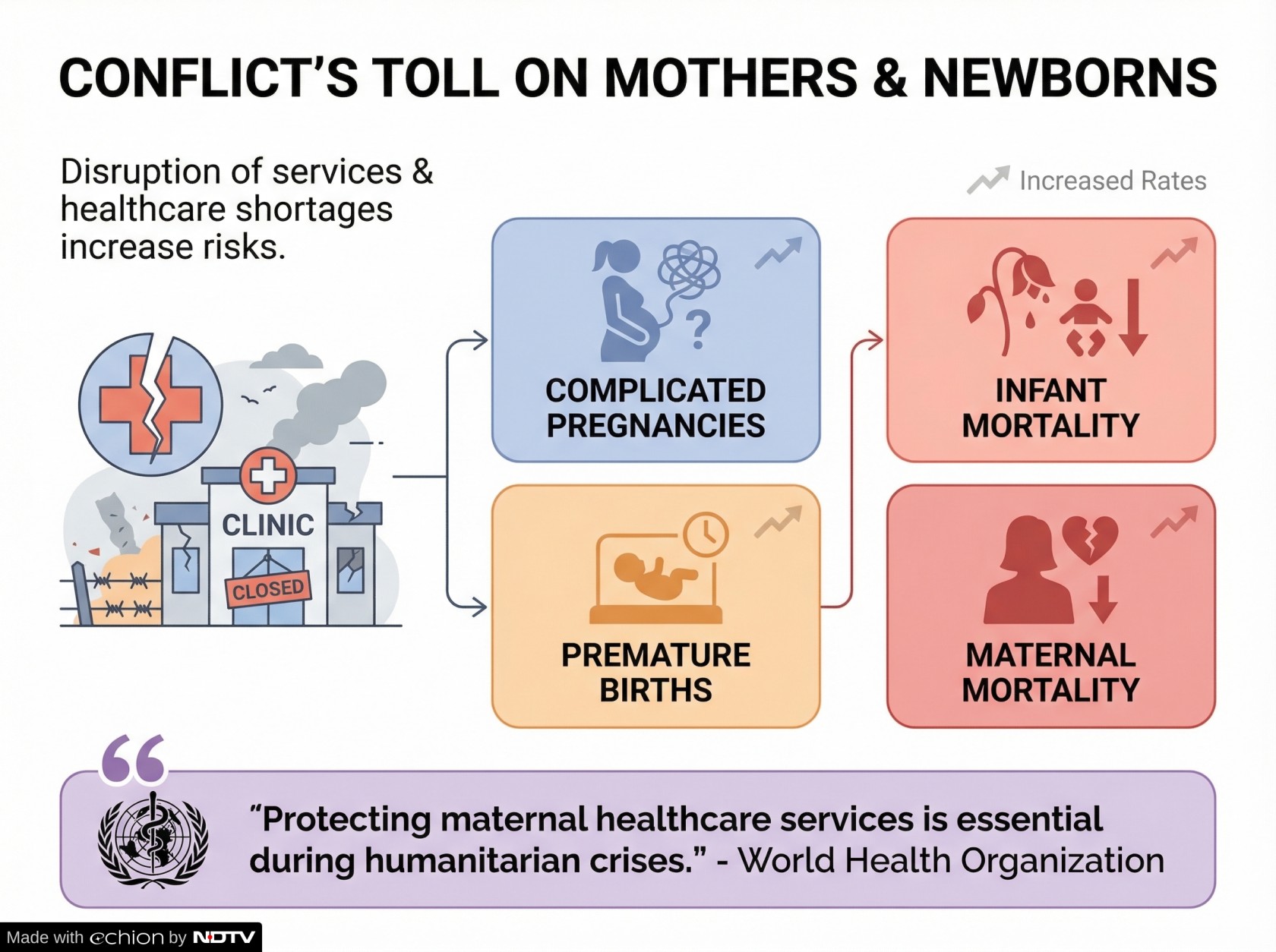
Pregnant women and newborns face particularly high risks in conflict settings. Disruption of maternity services and shortages of trained healthcare providers can lead to increased rates of:
- Complicated pregnancies
- Premature births
- Infant mortality
- Maternal mortality
The World Health Organization emphasises that protecting maternal healthcare services is essential during humanitarian crises.
9. Chronic Disease Patients Losing Access To Treatment
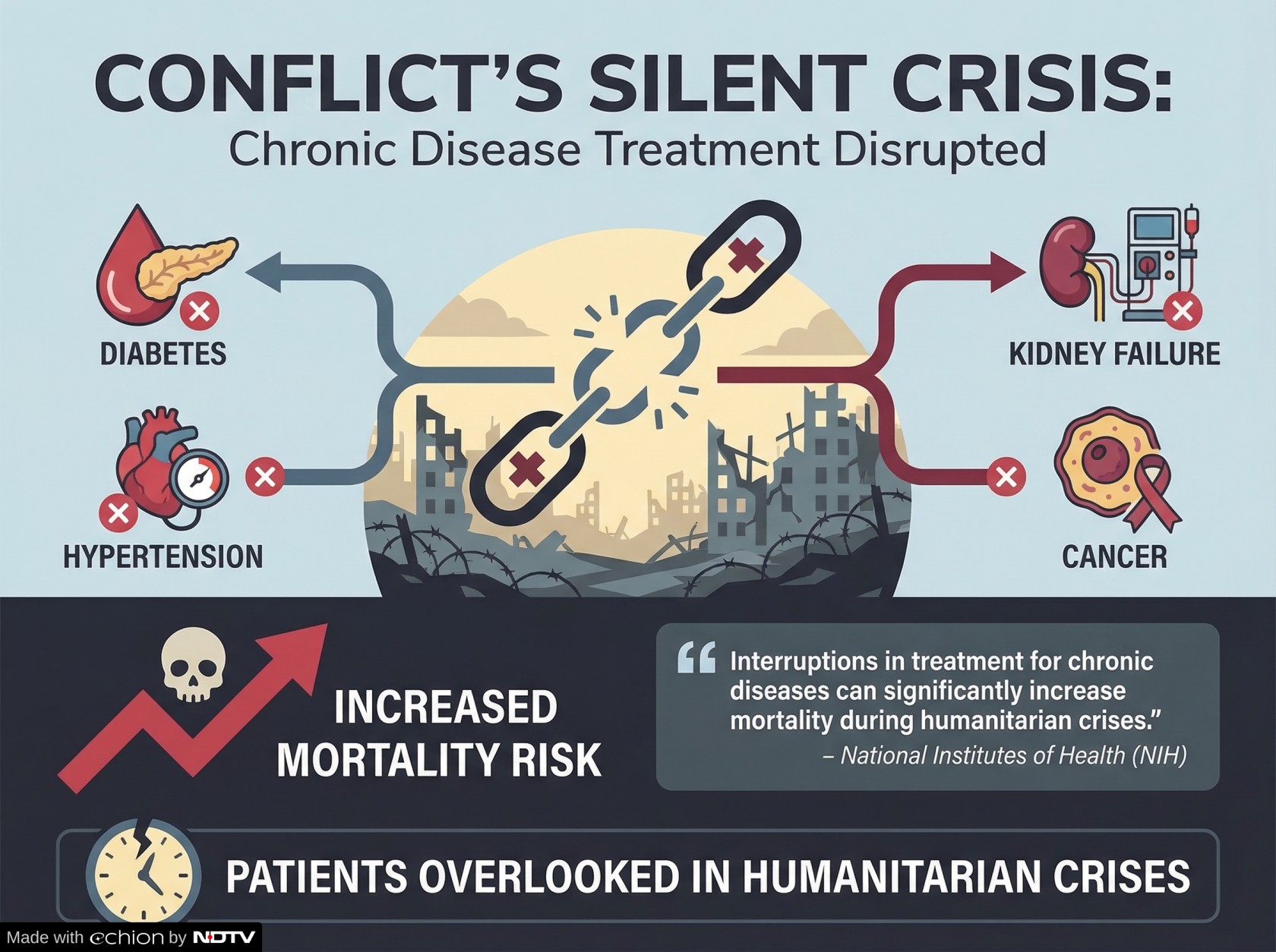
Patients with long-term conditions are often overlooked in conflict situations. Disruption of healthcare systems can prevent patients from receiving treatments for conditions such as:
- Diabetes
- Hypertension
- Kidney failure
- Cancer
According to the National Institutes of Health (NIH), interruptions in treatment for chronic diseases can significantly increase mortality during humanitarian crises.
Also Read: How Iran's Conflict With US And Israel Impacts Healthcare Systems And Public Health
As conflict escalates in Iran and across the Middle East, global health experts warn that the region could face multiple interconnected health crises. From traumatic injuries and infectious disease outbreaks to environmental hazards and mental health trauma, the health impacts of war extend far beyond the battlefield.
Protecting healthcare facilities, maintaining humanitarian aid access and ensuring the continued supply of essential medicines will be critical in preventing a wider public health catastrophe. Health agencies stress that addressing these risks early is essential to safeguarding civilian populations and preventing long-term health consequences across the region.
Disclaimer: This content including advice provides generic information only. It is in no way a substitute for a qualified medical opinion. Always consult a specialist or your own doctor for more information. NDTV does not claim responsibility for this information.