

)
A healthy, sharp brain is the foundation of everything you do, serving as the control centre for our thoughts, emotions, memory, movement, and vital organ functions. As we age, the brain naturally undergoes structural and chemical changes that can slow down processing speed. Therefore, maintaining brain health becomes increasingly important to reduce the risk of cognitive decline and conditions such as dementia. Keeping it healthy ensures you maintain your independence, emotional balance, and problem-solving abilities as you get older. Fortunately, certain habits can help keep the brain sharp as you age.
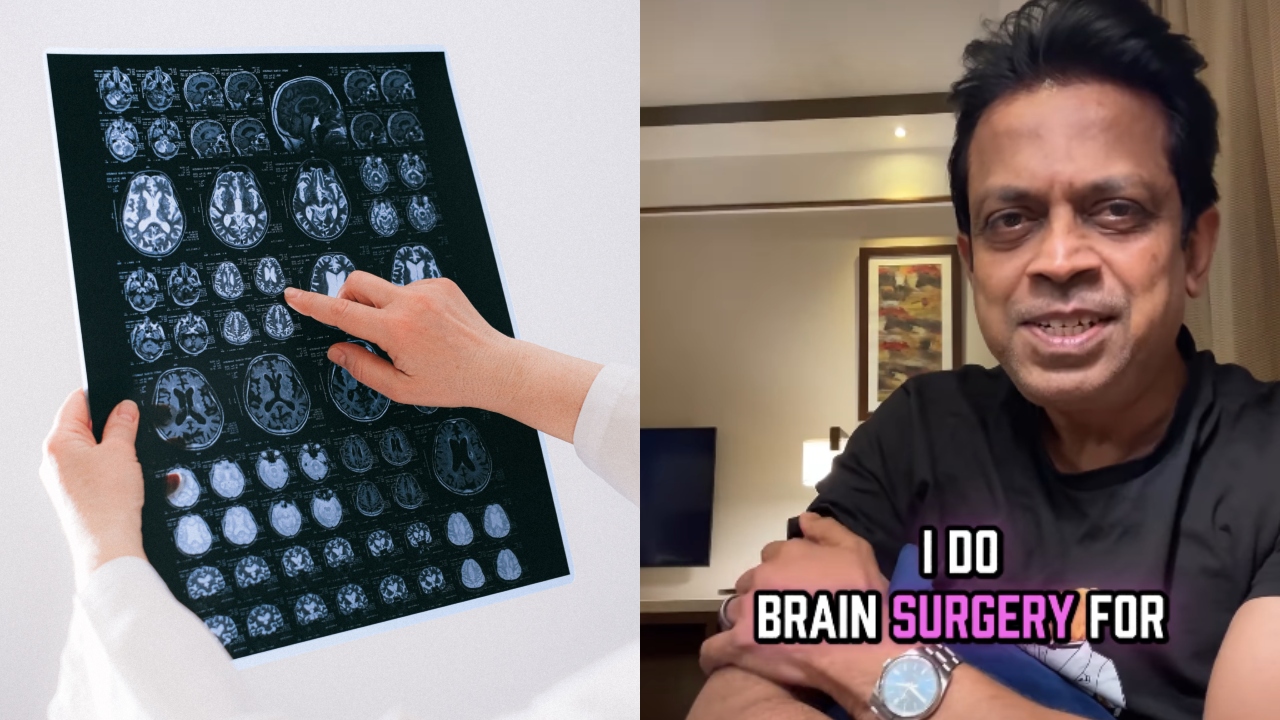
Dr. Arun L Naik, an AIIMS-trained Neurosurgeon, took to Instagram to share a few habits that can help keep your brain in good shape as you age.
"I do brain surgeries for a living, so I know a thing or two about the organ I handle every single day," Dr. Naik said in the video.
10 rules to follow for a healthy, sharp brain
"25 years operating on brains taught me this: the most important work happens outside, and it's done by you, every single day. 10 commandments. All start with S. Save this as your prescription for a razor-sharp brain at 70," he wrote in the caption of the video.
1. Sleep
Sleep acts as the internal waste clearance system for your brain. During deep sleep, the brain undergoes restorative processes that enhance learning and cognitive function. Dr. Naik recommends 7-8 hours of restful sleep each night to support optimal brain health.
2. Sunlight
Exposure to natural sunlight helps regulate circadian rhythms, which directly regulate your sleep-wake cycles and improve sleep quality. Sunlight also triggers the production of Vitamin D and boosts serotonin levels, enhancing mood, alertness, and cognitive processing speed.
"10 minutes of morning light sets your brain clock," said Dr. Naik.
3. Squats
"Leg strength is linked to brain health as you age," the expert mentioned.
Using your largest lower-body muscles increases blood flow to your brain. This boost of oxygen-rich blood helps release growth factors that protect existing brain cells and support the formation of new ones. Squats can also build strength and enhance overall fitness, contributing to better brain health.
4. Strength training
Resistance training has been shown to promote cognitive function and reduce the risk of cognitive decline. "Lifting twice a week is associated with a bigger memory centre," he mentioned. Building muscle through strength training enhances blood flow to the brain and stimulates the release of beneficial growth factors that support neuronal health.
5. Supplements
Certain supplements, such as omega-3 fatty acids, B vitamins, and antioxidants, can support brain health. Omega-3s, in particular, are crucial for maintaining the structure and function of brain cells. However, Dr. Naik has highlighted that you should "only take supplements of what you are deficient in. Test first, more is not better."
6. Socialising
Regular, meaningful social interaction serves as an intensive workout for multiple brain regions simultaneously. "Loneliness is linked to faster brain shrinkage. One real conversation a day is medicine," said Dr. Naik. Staying socially connected wards off chronic loneliness and depression, both of which are high-risk triggers for cognitive decline.
7. Skill set
Continuously learning new skills or hobbies challenges the brain and promotes neuroplasticity. Whether it's picking up a musical instrument or learning a new language, engaging in mentally stimulating activities can help maintain cognitive agility as you age.
8. Savouring
Practising mindfulness and savouring moments can enhance emotional regulation and mental clarity. Taking time to appreciate experiences, whether through mindful eating or enjoying nature, can improve overall mental well-being and enhance cognitive function. "Pause for 20 seconds on a good moment. Gratitude rewires your brain's threat filter," Dr. Naik added.
9. Stress control
Chronic stress can negatively affect brain health, impairing memory and cognitive abilities. Implementing stress management techniques, such as mindfulness meditation, yoga, or deep breathing exercises, can help alleviate stress and promote brain health.
10. Stillness
"10 minutes of silence or meditation" is essential for your brain, said Dr. Naik. Taking time for reflection and stillness can improve focus and clarity. Meditating or spending quiet time can help reduce mental clutter, enhance self-awareness, and foster a sense of calm, benefiting overall cognitive health.
Incorporating these habits into your daily routine can promote a healthy brain, helping to keep your cognitive functions sharp and resilient as you age.
Disclaimer: This content including advice provides generic information only. It is in no way a substitute for a qualified medical opinion. Always consult a specialist or your own doctor for more information. NDTV does not claim responsibility for this information.