

)
Blood sugar does not only matter when you have diabetes. What happens to your blood glucose after a meal can also affect how hungry, tired or energetic you feel throughout the day. This is where the idea of a glucose spike comes in.
A glucose spike is a quick rise in blood sugar after eating, especially after foods that are high in carbohydrates or are quickly digested. Our body responds by releasing insulin, which helps move glucose from the blood into cells. The size and timing of these changes can vary from person to person and can also depend on what you eat along with the carbohydrate.
So, is there a simple way to keep these spikes in check?
Dr Alok Chopra, a renowed cardiologist, has dropped a post on Instagram explaining his take on glucose spikes and how the order in which we eat our food may matter.
According to Dr Chopra, repeatedly eating high-glycaemic foods can lead to a cycle of blood sugar going up and then coming down. He says this may leave some people feeling hungry again soon after eating, along with cravings, fatigue or sleepiness.
The doctor also talks about insulin. His point is that if the body repeatedly needs to release large amounts of insulin, insulin resistance can develop over time. However, diabetes is a complex condition and cannot be explained by glucose spikes alone.
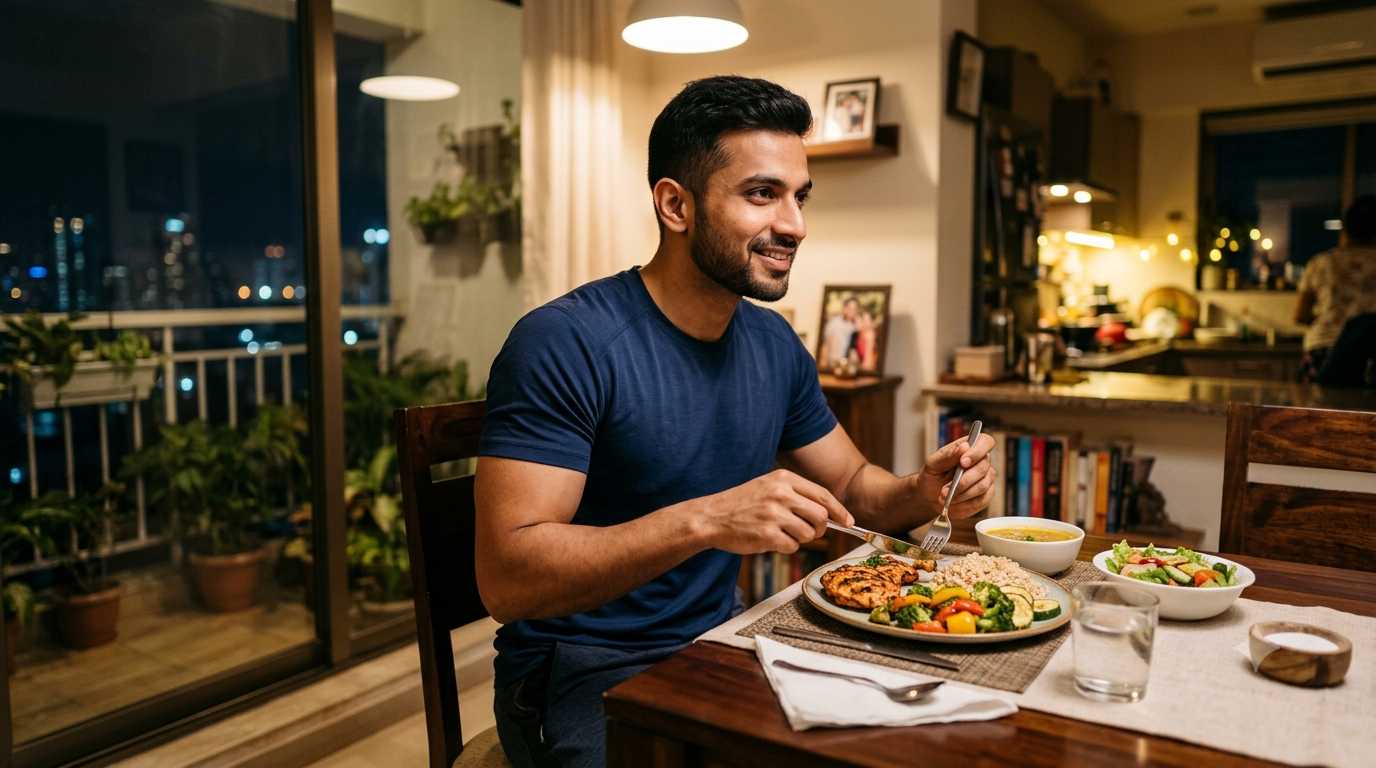
Dr Chopra then shares a simple food-order approach. His suggested sequence is:
1. Start with fibre
He recommends beginning a meal with fibre-rich foods, especially leafy vegetables.
2. Add protein and fat
Next, include protein and healthy fats as part of the meal.
3. Have starches and sugars later
If your meal contains foods such as rice, bread or other starches, Dr Chopra suggests having them after the fibre, protein and fat.
Focus on high-fibre, minimally processed foods, pair carbohydrates with protein and healthy fats, and cut back on refined sugars and carbohydrates.
While food order can be a useful habit, it is not a replacement for diabetes treatment or medical advice. If you have diabetes or prediabetes, your overall diet, activity, medication and health needs all matter.
Disclaimer: This content including advice provides generic information only. It is in no way a substitute for a qualified medical opinion. Always consult a specialist or your own doctor for more information. NDTV does not claim responsibility for this information.