

)
For many young people in India, long working hours, online classes, mobile phones and lack of physical exercise create a lifestyle where the body has little opportunity to move. This lifestyle leaves little room for movement and often involves sitting at a desk for several hours, commuting, and then spending even more time in front of a screen at home or on a smartphone before bed. As a result, the body experiences constant strain on the neck, shoulders, back, and wrists, leading to stiffness in muscles and joints.
Poor posture exacerbates this problem. When individuals tilt their heads to view a mobile phone screen or use a laptop that is positioned too low, the neck and upper back muscles are subjected to prolonged pressure. Sitting without adequate back support or working from a sofa or bed only intensifies this strain. Unfortunately, many young people dismiss this pain, mistakenly believing it to be a sign of ageing. However, discomfort caused by lifestyle choices can affect anyone, regardless of age.
After all, the dependence on mobile phones and other devices intensifies the problem. People can easily spend hours in the same position, taking notes, scrolling through content, and playing games. This behaviour leads to pain in the neck, shoulders, upper back, hands, and wrists. For students, extended screen time can result in similar health problems. The combination of excessive screen time, poor posture, and a sedentary lifestyle can leave individuals feeling tired and stiff without any physical activity.
How physiotherapy helps
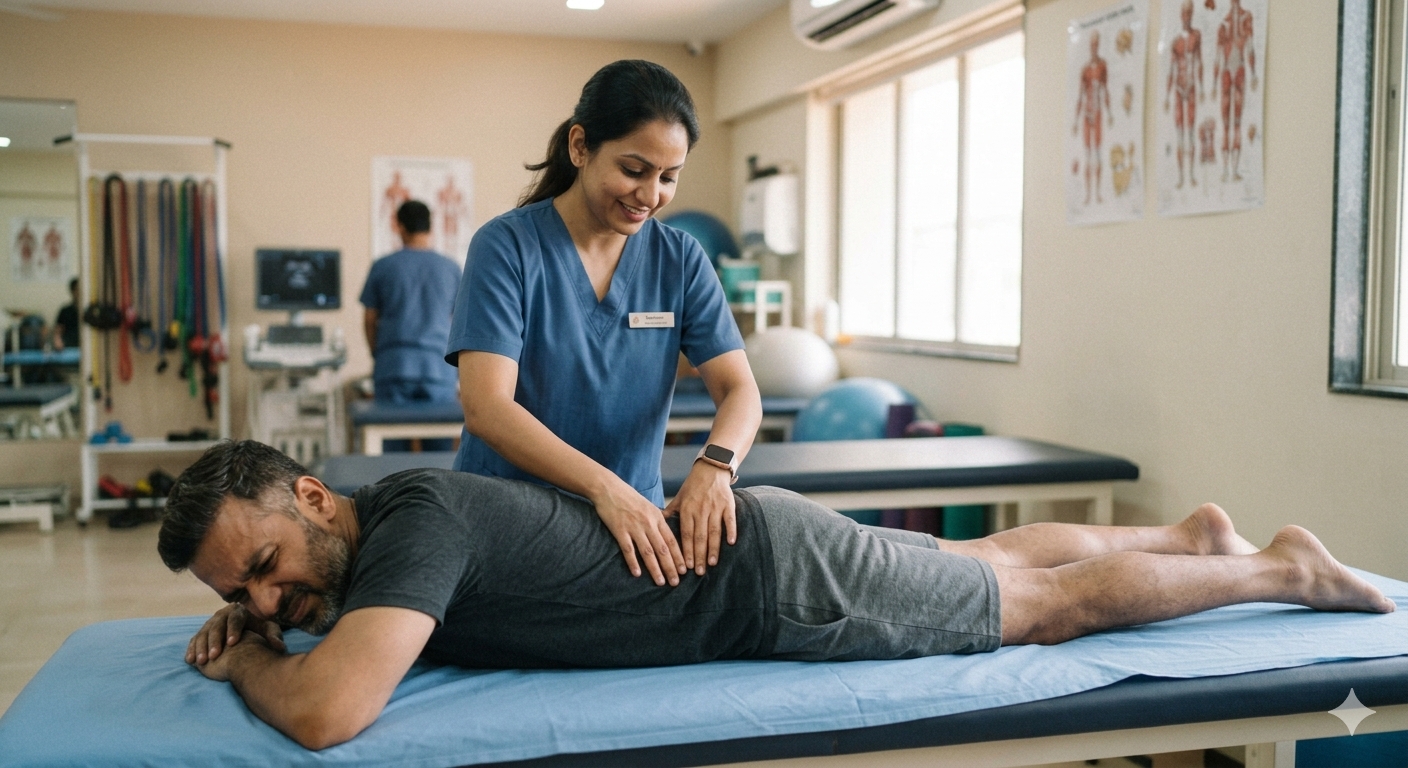
Physiotherapy has evolved beyond just addressing sports injuries, fractures, or recovery from surgery. Nowadays, an increasing number of young people are resorting to physiotherapy for issues like having a stiff neck after working on a laptop all day long, back pain after several hours of sitting, stiffness in the shoulders, pain in the wrist and headaches due to bad posture.
Physiotherapists examine posture, joint movement, muscle power, flexibility, and normal movement patterns to identify what causes discomfort. Different types of treatment may involve exercises, stretching, strengthening, correction of posture, mobility, manual therapy, and recommendations on workplace ergonomics. The goal is to alleviate pain and ensure greater mobility, along with the fact that the issue doesn't come back.
Also read: "I'm Too Young For Physiotherapy": Why Millennials, Gen Z Are Becoming A New Patient Group
For young workers, physiotherapy can serve as a preventive measure. Individuals who spend eight or nine hours at a computer should not wait for significant pain to arise. Simple adjustments, such as raising the height of the computer screen, choosing a supportive chair, positioning the feet correctly, and taking regular breaks to move, can make a difference.
Incorporating exercise into daily life is also essential. Various types of exercise such as walking, resistance training, yoga, swimming, cycling and so on help in maintaining muscle strength, joint range of motion, and general well-being. However, exercising for 60 minutes does not erase the negative effects of being inactive the rest of the day. Being active during the day is important. Rather, young people should make movement part of their routine rather than limit it to the gym.
The increase in the popularity of physiotherapy is also closely related to the psychology of pain. Chronic pain affects cognitive abilities, sleep, and productivity. When pain begins to interfere with work or daily life, it can lead to frustration and decreased activity, negatively impacting overall well-being.
Young individuals should not ignore ongoing stiffness, pain, or limited movement, believing it to be something they must accept due to their jobs or studies. While minor discomfort from a long day may be alleviated with rest and movement, persistent or recurring pain should be evaluated by a qualified medical professional.
The increasing interest in physiotherapy among young Indians reflects a changing attitude toward musculoskeletal health. As screens dominate both work and personal life, it is vital to integrate movement into daily routines. In a world where sitting and screens prevail, staying active is not merely about fitness; it is essential for avoiding long-term stiffness and pain.
Also read: Back Pain, Stiff Neck And Poor Posture: When Should You Actually See A Physiotherapist?
(Dr. Indramani Upadhyay, HOD- Physiotherapy, Centre for Knee & Hip Care, Ghaziabad)
Disclaimer: The opinions expressed within this article are the personal opinions of the author. NDTV is not responsible for the accuracy, completeness, suitability, or validity of any information on this article. All information is provided on an as-is basis. The information, facts or opinions appearing in the article do not reflect the views of NDTV and NDTV does not assume any responsibility or liability for the same.