

)
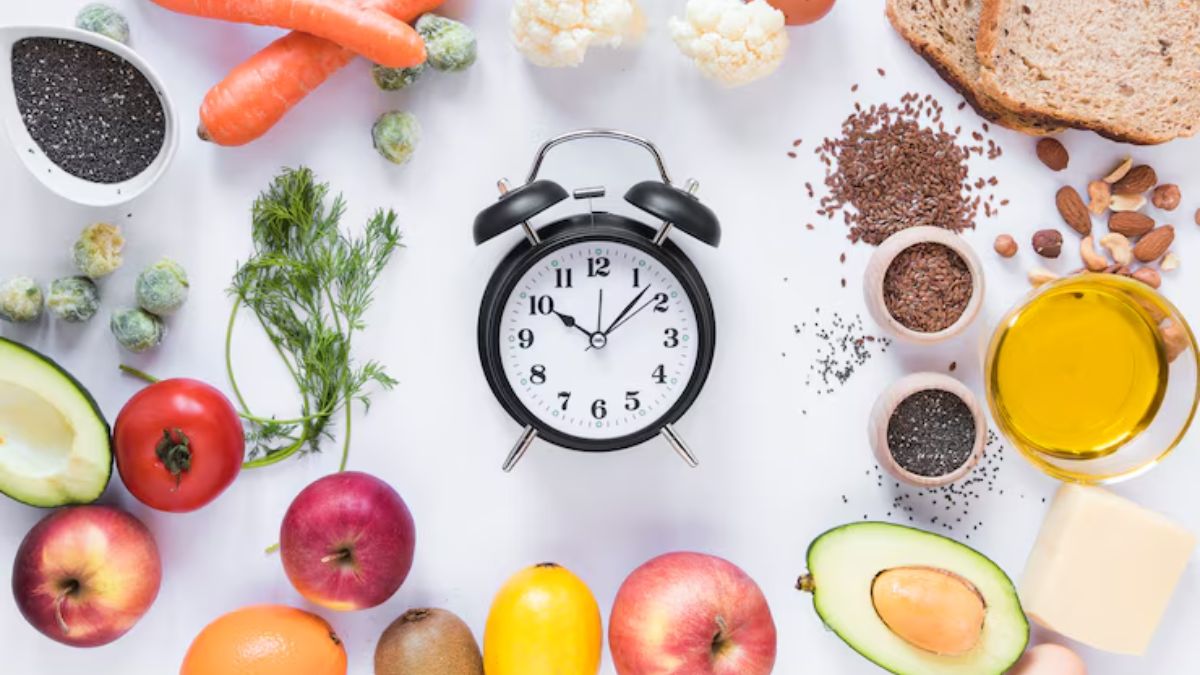
A new study found that people with an increased risk of cardiometabolic disease, who stretched their overnight fast window by nearly two hours, saw an improvement in their heart and metabolic markers during sleep and throughout the following day. Along with the fast, they also avoided food and dimmed lights for three hours before going to sleep. The study was conducted by researchers from Northwestern Medicine and published in Arteriosclerosis, Thrombosis, and Vascular Biology, a journal of the American Heart Association.
Your heart is one of the most important organs of the body. Hence, it is important that you keep your heart health in check. However, cardiovascular diseases are the leading cause of death globally. In 2022, an estimated 19.8 million people died from cardiovascular diseases (CVDs). 85% of these were due to heart attack and stroke. WHO says that most cardiovascular diseases can be prevented by addressing behavioural and environmental risk factors such as tobacco use, unhealthy diet and obesity, physical inactivity, harmful use of alcohol and air pollution.
Meal Timings And Metabolic Function
For the study, the researchers analysed whether timing an individual's overnight fast to match their natural sleep wake cycle could improve heart and metabolic health. Circadian rhythm is the body's internal 24-hour cycle that regulates sleep-wake patterns, hormone release, body temperature, and metabolism in response to light and darkness. This plays an important role in managing cardiovascular and metabolic function. The participants in the study didn't reduce their calorie intake and focused only on their meal timings.
Dr. Daniela Grimaldi, research associate professor of neurology in the division of sleep medicine at Northwestern University Feinberg School of Medicine, and first author, said, "Timing our fasting window to work with the body's natural wake-sleep rhythms can improve the coordination between the heart, metabolism and sleep, all of which work together to protect cardiovascular health."
Dr. Phyllis Zee, director of the Center for Circadian and Sleep Medicine and chief of sleep medicine in the department of neurology at Feinberg and corresponding author of the study said, "It's not only how much and what you eat, but also when you eat relative to sleep that is important for the physiological benefits of time-restricted eating."
The researchers focused on cardiometabolic health because when this is impacted, it increases the risk of several chronic diseases such as type 2 diabetes, non-alcoholic fatty liver disease, and cardiovascular disease.
Cardiometabolic Health And Time-Restricted Eating
Time-restricted eating has gained popularity as studies show that it enhances cardiometabolic markers and can rival the effects of conventional calorie-restricted diets. However, most studies till now only focused on fasting duration rather than its alignment with sleep timing, which plays a key role in metabolic health.
For the study, the team enrolled 39 overweight or obese adults aged 36 to 75. They were randomised to either extended overnight fasting (13-16 hours) group or a control group with habitual fasting (11-13 hours). Both dimmed lights three hours before bed. The intervention group was 80% women.
The team achieved nearly 90% adherence in this trial. They now anchoring time-restricted eating to sleep periods as a practical, non-drug strategy, particularly for middle-aged and older adults, who have increased cardiometabolic risk. The team aims to optimise this protocol through larger, multi-center trials.
Study Findings
During the 7.5-week study period, participants who ate at least three hours before bed were pitted against those keeping usual eating patterns. The ones who adjusted their meal timings saw notable improvements. Their nighttime blood pressure fell by 3.5%, while heart rate declined by 5%. These changes also promoted a healthier circadian rhythm, with heart rate and blood pressure peaking during daytime and dipping at night.
Participants also showed better daytime blood sugar management. Even when they were given glucose, their pancreas reacted more efficiently. This indicates enhanced insulin secretion and more stable blood sugar.
Disclaimer: This content including advice provides generic information only. It is in no way a substitute for a qualified medical opinion. Always consult a specialist or your own doctor for more information. NDTV does not claim responsibility for this information.