

)
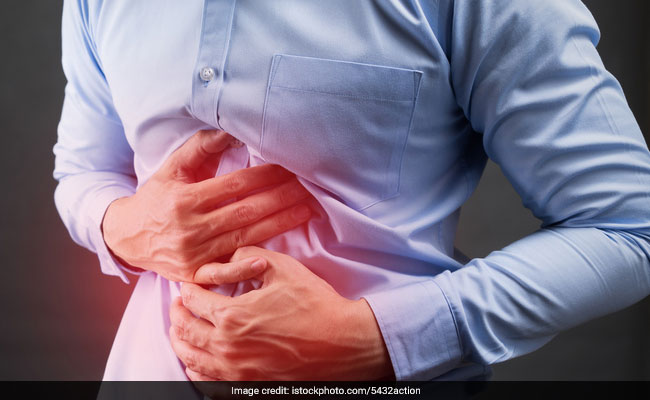
According to the Lancet Journal, India faces a growing health concern with inflammatory bowel disease (IBD) in rural and urban India, with higher rates in cities. IBD is becoming an epidemic due to processed foods, low fibre, and high sugar intake commonly consumed in an urbanised diet, and its misdiagnosis and stigma can further worsen the burden. This inflammatory disease involves the digestive tract, and it is mainly caused by inflammation in the intestines. This disease is mainly of two types: one is Crohn's disease, where any part of the digestive tract could be involved and the other is ulcerative colitis, which only affects the large intestine (colon). With IBD, people need to recognise the signs early to receive treatment and improve their overall quality of life.
9 Signs And Symptoms Of Inflammatory Bowel Disease
1. Chronic Diarrhoea
Chronic diarrhoea can happen when the intestines become inflamed and irritated for a long time. In turn, the gut becomes unable to absorb any nutrients or water, which further worsens the digestive system's functioning. This health issue is often accompanied by blood or mucus and needs immediate medical intervention. The deeply concerning dysfunction can last for weeks and months if it is not treated.
2. Abdominal Pain And Cramping
As the intestines remain irritated and inflamed for a prolonged period, this causes stomach pain and cramping consistently. This irritation makes the muscles in the gut tighten and squeeze more than normal, leading to improper gut function. When an individual experiences this pain after or before bowel movements, it is a sign of IBD. These cramps may get worse when people eat certain highly acidic foods or drink highly caffeinated drinks. This situation can also be referred to as an IBD flare-up.
3. Urgency To Pass Stool
Due to the chronically inflamed intestines, the gut pushes the food through the digestive system at a faster pace than usual. This causes the digestive system to pass stool frequently, and it results in a weird sensation. The urgency to pass stool can be embarrassingly worrisome, as some people manage to hold it in, but that only worsens their symptoms.
4. Fatigue And Weakness
The chronic inflammation caused by IBD can impair nutrient absorption, leading to gut dysfunction. As a result, tiredness and feeling weak while performing daily tasks can occur constantly. As per Oxford Academia, fatigue is one of the most prevalent and disabling symptoms in IBD, significantly reducing quality of life even in patients with inactive disease.
Read More: 5 Ways Curd Or Dahi Can Restore Gut Balance And Build Immunity
5. Unexplained Weight Loss
Due to malabsorption of nutrients in the gut and water rejection, the body becomes dehydrated, and this leads to weight loss. As the body becomes unable to process any food into energy, this breakdown leads to the utilisation of the fat deposits in the body. This is why individuals with IBD often struggle with being underweight, frail and lacking energy.
6. Fever During Flare-Ups
According to the Journal of Clinical Medicine, fever can occur as it is a systemic manifestation of active inflammation, often linked with lifestyle and environmental triggers. IBD has triggers and can manifest as debilitating symptoms like fever that decrease the quality of life.
7. Joint Pain And Arthritis
Joint pain and arthritis are among the most common extra-intestinal symptoms of IBD, affecting up to 20 to 30% of patients. According to the Lancet Journal, joint inflammation can occur alongside gut flares or independently, requiring an integrated approach to treatment. There are two types of arthritis that can cause stiffness, swelling, and reduced mobility, sometimes more disabling than gut symptoms. Namely:
- Peripheral arthritis: affects knees, ankles, and wrists; often flares with gut symptoms.
- Axial arthritis (spondyloarthritis): affects the spine and sacroiliac joints; may occur independently of gut activity.
8. Skin Rashes And Lesions
Visible skin rashes or lesions are a dermatological sign that normally occur in IBD. They can occur during gut symptoms and normally require a two-pronged approach for treatment. Studies indicate that certain medications or imbalances in the gut can manifest outwardly on the surface of the skin. The most common types of easily identifiable skin conditions are:
- Psoriasis and Eczema-like Rashes: Triggered by immune imbalance or medications.
- Nutritional Deficiency Lesions: Vitamin B12, A, and K deficiencies can cause skin changes.
9. Eye inflammation (Uveitis)
IBD can cause redness, blurred vision, and sensitivity to light due to painful inflammation inside the eye. According to the Journal of Clinical Medicine, up to 10% of IBD patients experience this problem. The treatment for this would be based on the medical expertise of gastroenterologists who can assess the individual's condition.
Read More: 5 Symptoms Of Poor Gut Health: Signs You Must Watch Out For
Differences Between Crohn's Disease And Ulcerative Colitis
These two types of IBD differ based on their impact area:
- Crohn's disease affects the entire digestive tract, and it happens due to patchy inflammation in the intestines.
- Ulcerative colitis: limited to the colon, and it happens due to continuous inflammation in the entire intestinal network.
When To Seek Medical Help
IBD occurs when the body is being attacked in its digestive efforts. To safeguard its function, you need to seek medical help if:
- Persistent digestive issues occur beyond 2 weeks.
- Blood in stool or severe abdominal pain.
- Family history of IBD.
Through conscious realisation of IBD signs and symptoms, people can seek medical consultation at the right time for effective treatment.
Note: Consult a medical professional like a gastroenterologist for effective treatment of IBD.
Disclaimer: This content, including advice, provides generic information only. It is in no way a substitute for a qualified medical opinion. Always consult a specialist or your own doctor for more information. NDTV does not claim responsibility for this information.