

)
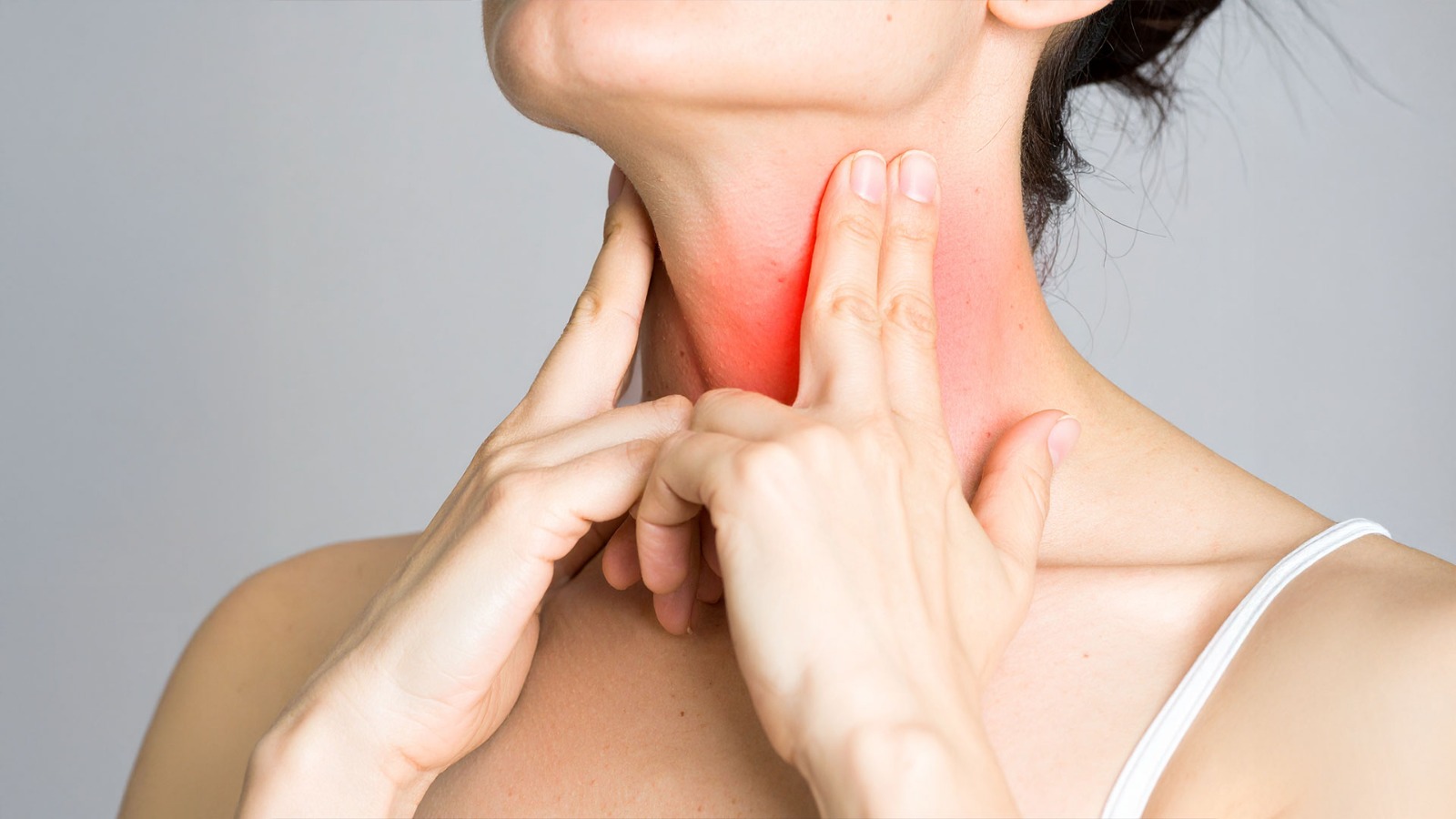
Thyroid cancer is being diagnosed more frequently worldwide, not necessarily because it is becoming more aggressive, but because improved imaging, routine health checks, and greater awareness are helping doctors detect it earlier than before. According to cancer experts, this early detection has significantly improved outcomes, as most thyroid cancers are slow-growing and highly treatable when identified in time. The thyroid is a small, butterfly-shaped gland located at the front of the neck. Despite its size, it plays a critical role in regulating metabolism, energy levels, heart rate, and body temperature. When cells within the thyroid begin to grow abnormally, they can form nodules or lumps, some of which may turn cancerous.
"Thyroid cancer is one of the cancers where early diagnosis truly changes the outcome," says Dr. Rajesh Kumar Jain, Principal Director, Surgical Oncology, BLK-Max Super Speciality Hospital. "With appropriate treatment, many patients go on to live completely normal lives." Understanding the factors that increase the risk of thyroid cancer can help people seek timely medical advice and avoid delays that may complicate treatment.
What Is Thyroid Cancer?
Thyroid cancer occurs when abnormal thyroid cells grow uncontrollably, often forming a lump or nodule in the neck. While most thyroid nodules are benign, a small percentage can be malignant. Papillary thyroid cancer is the most common type and generally has an excellent prognosis when treated early.
Also Read: 7 Early Signs Of Thyroid Cancer You Should Never Ignore
7 Key Risk Factors For Thyroid Cancer
1. Past Radiation Exposure
"One of the strongest risk factors is exposure to radiation to the head, neck, or upper chest, especially during childhood," explains Dr. Jain. This may occur during radiation therapy for other conditions or, rarely, from environmental exposure. People with such a history should inform their doctor and undergo periodic thyroid monitoring.
2. Family History And Genetic Conditions
A family history of thyroid cancer increases individual risk. Certain inherited conditions, such as familial medullary thyroid carcinoma, are known to raise susceptibility. "Having a family history doesn't mean cancer is inevitable, but it does warrant closer surveillance," Dr. Jain notes.
3. Female Sex And Hormonal Factors
Thyroid cancer is more common in women, particularly between the ages of 30 and 60. Hormonal influences are believed to play a role, though research is ongoing. Women should not ignore persistent neck lumps, voice changes, or swallowing difficulties.
4. Iodine Deficiency
Iodine is essential for thyroid hormone production. Long-term iodine deficiency has been associated with certain thyroid disorders, including cancer. Using iodised salt in moderation usually meets daily needs. Experts caution against extreme diets or unsupervised iodine supplementation.
5. Pre-Existing Thyroid Nodules Or Goitre
Many people have thyroid nodules, most of which are harmless. However, individuals with long-standing goitre, growing nodules, or persistently abnormal thyroid-stimulating hormone (TSH) levels carry a higher risk. "Any new or rapidly enlarging neck lump should be evaluated," says Dr. Jain.
6. Excess Weight And Lifestyle Factors
Obesity has been linked to a higher risk of thyroid cancer in multiple studies. Physical inactivity, unhealthy diets, and metabolic disorders may contribute. Maintaining a healthy weight, staying active, and avoiding tobacco can lower overall cancer risk.
7. Age And Environmental Exposures
Thyroid cancer can occur at any age but is commonly diagnosed in young to middle-aged adults and again in later life. Researchers are also studying environmental pollutants and chemicals as possible contributors, particularly with long-term exposure.
Also Read: Thyroid Cancer Types Explained: Doctor Breaks Down 5 Forms And Treatment
When Should You See A Doctor?
Medical evaluation is recommended if you notice:
- A new or enlarging lump in the neck
- Persistent hoarseness or voice changes
- Difficulty swallowing or breathing
- Neck pressure or fullness
- A strong family history of thyroid cancer
Diagnosis typically involves physical examination, blood tests, ultrasound, and, if needed, a fine-needle aspiration biopsy (FNAC).
Thyroid cancer is one of the most manageable cancers when detected early. "Awareness of risk factors and prompt evaluation of symptoms are the most powerful tools we have," says Dr. Rajesh Kumar Jain. Paying attention to your body and seeking timely medical advice can make all the difference.
Disclaimer: This content, including advice, provides generic information only. It is in no way a substitute for a qualified medical opinion. Always consult a specialist or your own doctor for more information. NDTV does not claim responsibility for this information.