

)
Sleep has an immense influence on your overall health and well-being. It is important that every individual gets the required hours of sleep as it helps in repairing the body, boosting immunity, strengthening heart health and regulating metabolism, among others. Sleeping also helps to enhance cognitive functions like memory and focus while reducing stress and improving mood. When you don't sleep well, it increases your risk of several chronic diseases such as obesity, diabetes, and cardiovascular diseases. The Sleep Foundation says that as a base rule, healthy adults need at least seven hours of sleep per night. However, babies, young children, and teens need even more sleep to enable their growth and development.
According to the Sleep Foundation, infants (4-12 months) should get 12-16 hours (including naps), toddlers (1-2 years) need 11-14 hours (including naps), pre-schoolers (3-5 years) need 10-13 hours (including naps). School-age children between 6-12 years should sleep for 9-12 hours and teens between 13-18 years must get 8-10 hours of sleep. Lastly, adults (18 years and older) should sleep for 7 hours or more. However, there has been a rise in sleep deprivation, and it is not just among adults but also in teenagers. A survey by COP (Child Online Protection) highlights how late-night smartphone use is increasingly disrupting teenagers' sleep patterns.
Sleep Deprivation Among Teenagers
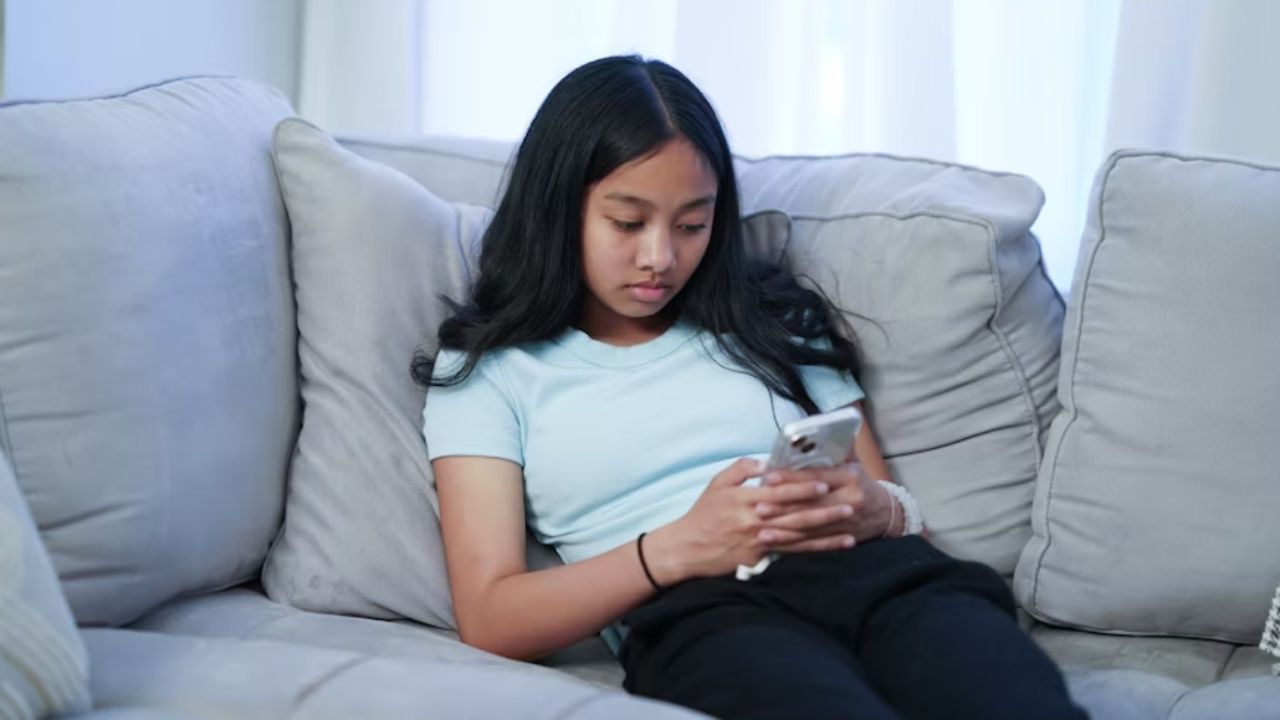
The survey, conducted across major Indian cities, says that there are increasing concerns about teen sleep deprivation, which is becoming prominent in today's society with the increase in late-night smartphone use by teens. The chronic sleep deprivation leads to a range of health issues such as sleep disorders, fatigue, eye strain, reduced concentration, and overall health and well-being. COP (Child Online Protection) is an app designed to help parents manage their children's digital safety. The survey covered 5,000 parents of teenagers aged 12-18 across major Indian cities including Delhi, Mumbai, Bengaluru, Chennai, Hyderabad, Pune, Kolkata, Ahmedabad, Jaipur, and Lucknow.
COP Survey Findings
The findings reveal that late-night smartphone use is significantly disrupting teenagers' sleep patterns across urban India. Here are some of the key findings of the survey.
Key Findings
- Smartphones delay bedtimes: 62% of parents say teens sleep after 11 PM due to smartphone use and 1 in 3 teens spends 2+ hours on screens after dinner.
- Sleep quality concerns: 68% of parents worry screen addiction is affecting sleep quality and late-night scrolling and notifications are disrupting sleep.
- Night-time phone dependency: Many teens use phones in bed, leading to shorter and interrupted sleep.
City-Level Insights
- Mumbai: 68% teens sleep after 11 PM due to smartphone use and 72% of parents worry about screen addiction affecting sleep.
- Delhi: 66% teens sleep after 11 PM due to smartphone use and 46% wake up at night to check notifications (highest).
- Bengaluru: 53% use phones after going to bed (highest) and 74% of parents are concerned about screen addiction affecting sleep (highest).
Sandeep Kumar, Founder of COP App, said, "Sleep is crucial for a teenager's mental development, emotional stability, and academic success. But smartphones have, in a way, added several hours to their bedtime. Many parents underestimate the impact late-night screen use has on teens' sleep patterns. Establishing screen-free bedtime routines and encouraging healthy digital habits is extremely important."
Parents in emerging cities such as Jaipur, Lucknow, and Ahmedabad are increasingly concerned about the impact of late-night smartphone use on teenagers' sleep, indicating that teen sleep disruption is no longer just a metro problem but a growing concern across non-metro urban centres as well.
Experts note that late-night digital stimulation and blue light emitted from screens can disrupt the body's circadian rhythm, making it harder for teenagers to fall asleep, stay asleep, and wake up feeling rested.
Disclaimer: This content including advice provides generic information only. It is in no way a substitute for a qualified medical opinion. Always consult a specialist or your own doctor for more information. NDTV does not claim responsibility for this information.