

)
Exercising regularly is extremely important as it helps to keep you healthy and also prevent diseases. Every individual should take part in some form of physical activity. According to the World Health Organization (WHO), adults between 18 and 64 years should do at least 150 minutes of moderate-intensity physical activity throughout the week, or do at least 75 minutes of vigorous-intensity physical activity, or an equivalent combination of both. It also says that for additional benefits, adults should increase their moderate-intensity physical activity to 300 minutes per week, or equivalent.
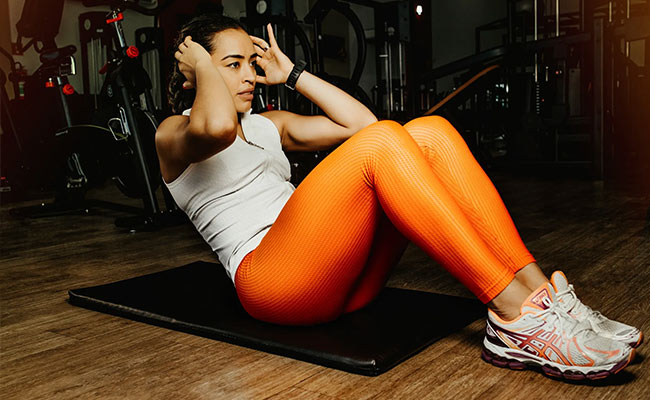
There are different exercises that one can choose from, however, sit-ups is one physical activity that is beneficial for core strength, posture, and overall health. When you add them to your workout routine, it improves daily function, boosts your fitness and builds resilience. Here are some of the reasons why sit-ups should be a part of your workout routine.
Benefits of Adding Sit-Ups to Your Workout Routine
1. Core Strength
Sit-ups focus on the rectus abdominis, helping you achieve the coveted six-pack. It also works the obliques and deeper transverse abdominis for a solid midsection. This multi-layered activation benefits the torso's foundation, helping you during lifts, runs, or sports. When you have a strong core, it reduces your back strain, helping you lift heavy weights, run after kids, or other activities.
2. Posture
Desk-bound work causes your shoulders to hunch and tilts pelvis forward. It leads to slouching and spinal stress. Sit-ups help to counteract this by realigning the hips, spine, and upper body. The controlled movement strengthens erector spinae alongside abs, pulling the body into an upright posture. This eases neck tension, opens the chest for deeper breaths, and floods the system with oxygen for better energy.
3. Injury
When your core is weak, it leads to trouble. Sit-ups stabilise the pelvis and spine to absorb shocks during dynamic moves. They balance overactive hip flexors, with glutes and abs, creating harmony. Athletes and weekend warriors who perform sit-ups can reduce injury risks.
4. Boosts Performance
Some sports demand core rigidity to channel force efficiently. Sit-ups build that stability, letting your limbs work with precision without the torso wobble. Sit-ups also increase your endurance, as trained abs reduce fatigue during marathons, cycling sessions, or HIIT circuits.
5. Balance
Proprioception, which is your body's sense of position, thrives on core challenges. Sit-ups benefit by syncing abs, back, and pelvis in motion. This improves stability for uneven trails, paddleboarding, or single-leg stands in yoga. Falls reduce, especially for seniors or those rehabbing, while workouts can be performed seamlessly. Daily tasks improve like navigating crowds, carrying groceries one-handed, or quick directional changes feel natural.
6. Flexibility
Tight hip flexors from prolonged sitting can lead to pain. Sit-ups stretch them through spinal flexion, improving hip and lumbar mobility. The upward curl massages the lower back, easing knots and improving blood flow for better recovery. Pair this with deep exhales to boost your relaxation. This can help combat sedentary stiffness, and prep the muscles for deeper stretches or advanced poses.
Performing sit-ups three times every week, starting at 3 sets of 10-15, and then progressing to 20-30, can yield better results. Proper form is important and tops volume. This simple and staple physical activity improves your routines, blending together strength, function, and vitality.
Disclaimer: This content including advice provides generic information only. It is in no way a substitute for a qualified medical opinion. Always consult a specialist or your own doctor for more information. NDTV does not claim responsibility for this information.