





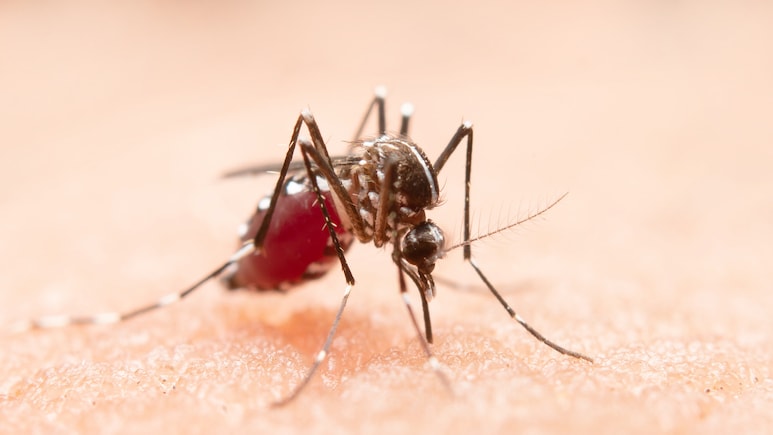
- Dengue severity depends on clinical signs, not just platelet count drops
- Platelet transfusions are for severe bleeding, not routine low counts
- Papaya leaf juice lacks strong scientific proof and isn't a cure
Every year, as the monsoon arrives, a familiar sense of dread settles over neighbourhoods. The high-pitched buzz of a mosquito is no longer just a nighttime nuisance; it becomes a trigger for profound medical condirion. In households across India, the diagnostic process has almost become a ritual: the fever begins, lab tests are ordered, and then comes the agonising wait for that one specific number, 'the platelet count'. Dengue fever has, unfortunately, been reduced to a "numbers game" in the public imagination.
Families watch laboratory reports with bated breath, equating a dipping count with impending disaster. However, this hyperfixation on platelets often masks the more critical clinical signs that actually determine a patient's recovery. While the concern is understandable, a medical expert suggest that the panic fuelled by misinformation can often be more taxing on health than the virus itself. To navigate this season safely, looking beyond the myths and understanding what truly constitutes a medical emergency in dengue management is imperative.
6 Common Myths Around Dengue, Busted
1. The Platelet Panic: Does Low Always Mean Severe?
The most pervasive fear is that a falling platelet count is a direct indicator of severe dengue. Dr. Dinesh Kumar, Director, Internal Medicine, Fortis Greater Noida, clarifies that while a drop is common, it is not the sole marker of danger.
"A falling platelet count is common in dengue, but severity depends more on warning signs such as bleeding, persistent vomiting, abdominal pain, breathing difficulty, low blood pressure, or organ dysfunction," explains Dr. Kumar.
Many patients recover successfully even with low platelets if monitored correctly by professionals.
2. The Transfusion Trap
Many believe that a drop below the "normal" range necessitates an immediate transfusion. However, Dr Kumar notes that "platelet transfusion is not routinely needed". These procedures are typically reserved for cases of severe bleeding or extremely low counts accompanied by clinical risk. In fact, unnecessary transfusions can sometimes expose patients to avoidable medical complications.
3. The Papaya Leaf Juice Debate
In almost every Indian pantry, papaya leaf juice is hailed as a miracle cure. While it is a popular traditional remedy, Dr. Kumar urges caution regarding its status as a "proven" cure.
"Papaya leaf extract is widely discussed, but scientific evidence remains limited," he states. It must never be used as a replacement for professional medical care, hydration, and fever management. However, a review in the Nutrients journal suggests that consuming papaya leaf juice functions as an anti-thrombocytopenic and has immunomodulatory effects when consumed in the right dose under medical supervision.
Also Read: Dengue vs Malaria: Ludhiana Reports Both, Do You Know Which Symptoms To Watch Out For?
4. The Deceptive 'Recovery' Phase
A dangerous misconception is that the risk subsides once the fever breaks. In reality, the "critical phase" often starts when the fever begins to settle, usually between day 3 and day 7.
Dr. Kumar warns, "The critical phase often begins when fever starts settling. This is when plasma leakage, shock, or bleeding can develop. Improvement in temperature does not always mean recovery".
5. Is Hospitalization Mandatory?
Not every diagnosis requires a hospital bed. Many cases of dengue can be managed effectively at home with adequate fluids, rest, and paracetamol. Hospital admission is generally only required if specific red-flag warning signs appear.
6. The 'Rising Platelet' Relief
While seeing the platelet count climb is a positive sign, it doesn't mean the vigil is over. Dr. Kumar emphasizes that "overall hydration status, liver function, blood pressure, and general condition are equally important" to ensure a complete recovery.
Also Read: India Set To Get Dengue Vaccine Qdenga Soon: Doctors Explain What To Expect
Clinical Guidance For Recovery
To manage dengue effectively, the focus must remain on the "whole clinical picture" rather than just laboratory numbers.
- Prioritise Hydration: Consume plenty of oral fluids like coconut water, oral rehydration salts, and water.
- Medication Safety: Use paracetamol; strictly avoid non-steroidal inflammatory drugs like aspirin or ibuprofen as they can increase bleeding risks.
- Active Monitoring: Regularly check central blood count and haematocrit levels as advised by a doctor.
- Watch for Red Flags: Seek immediate help if experiencing bleeding gums, black stools, severe weakness, or abdominal pain.
Dengue management is about recognising warning signs and maintaining proper hydration, which saves lives far more effectively than panic over numbers alone. You need to adopt an approach that is rooted in science and vigilance to make sure that the recovery happens with the least amount of side effects from the infection.
Disclaimer: This content, including advice, provides generic information only. It is in no way a substitute for a qualified medical opinion. Always consult a specialist or your own doctor for more information. NDTV does not claim responsibility for this information.
Track Latest News Live on NDTV.com and get news updates from India and around the world

