

)
Dengue has long been associated with outdoor exposure, open drains, and monsoon-linked outbreaks. Yet a growing number of cases are now being reported among individuals who spend most of their time indoors. This shift reflects how the disease has adapted to urban living, moving beyond traditional assumptions about exposure and risk.
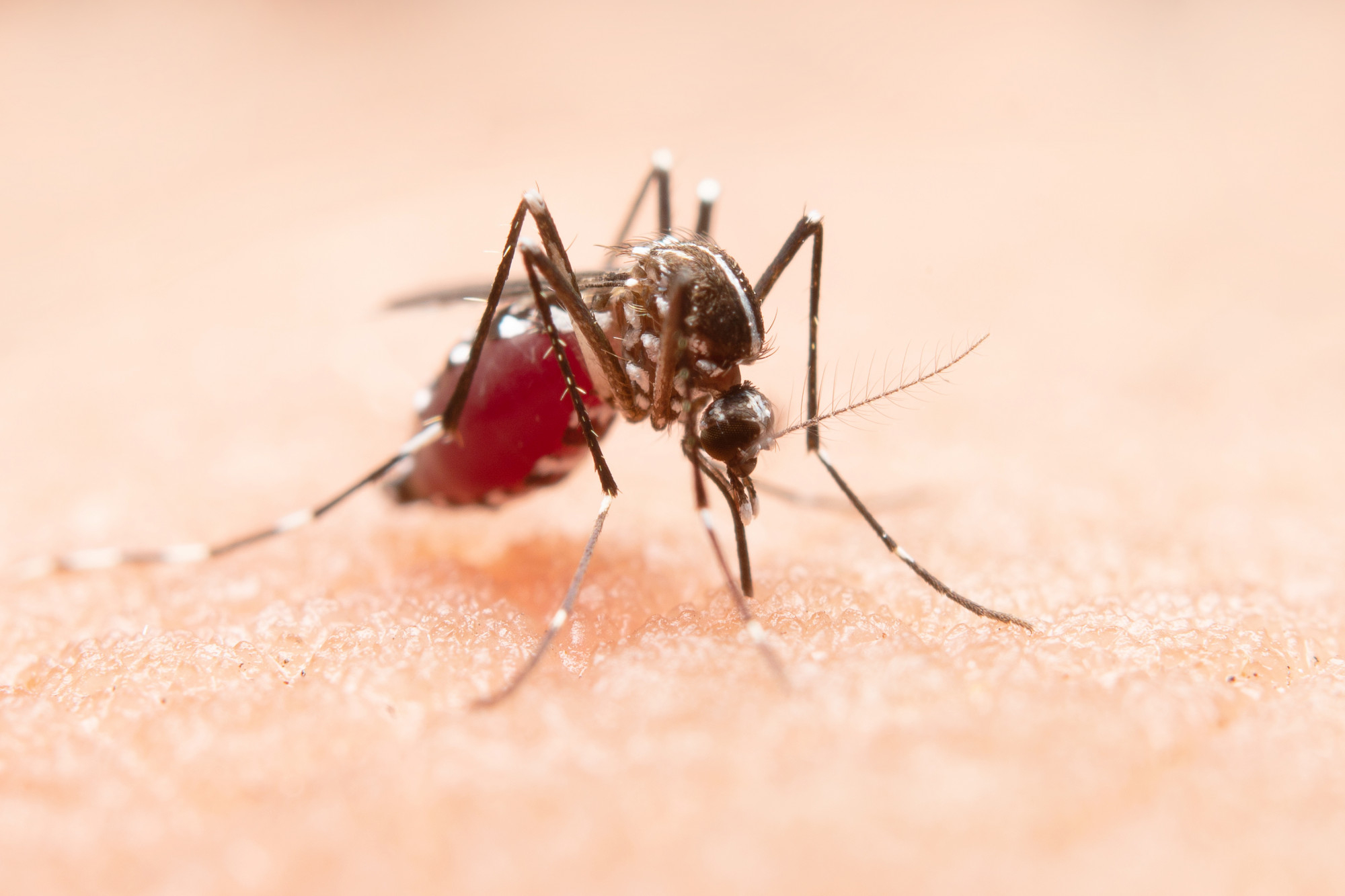
The dengue virus is transmitted by the Aedes aegypti mosquito, a species well suited to modern cities. It breeds in clean, stagnant water and is active during the day, particularly in the early morning and late afternoon. These characteristics make it different from other mosquito-borne diseases and explain why indoor environments are no longer protective by default.
Urban homes today, especially apartments and high-rise buildings, often provide unnoticed breeding spaces. Even in well-maintained households, small quantities of stagnant water can accumulate in everyday objects. These become ideal sites for mosquito eggs, which can develop into adults within a short period.
Common indoor breeding points include:
- Flower pots and plant trays
- Air cooler tanks and trays
- Refrigerator drip pans
- Buckets, mugs, and unused containers
- Air conditioning trays
- Discarded caps or small containers that hold water
A key concern is that these breeding sites often go unnoticed. Water left undisturbed for five to seven days is sufficient for mosquito larvae to mature. Since these locations are within living spaces, the proximity increases the likelihood of human contact during peak biting hours.
Also Read: India Set To Get Dengue Vaccine Qdenga Soon: Doctors Explain What To Expect
High-rise living does not reduce this risk. Aedes mosquitoes are capable of moving vertically through buildings using lifts, stairwells, and corridors. This allows them to spread across multiple floors, making even upper-level apartments vulnerable.
Urban density and ongoing construction further contribute to the spread. Construction sites frequently contain open water storage, exposed tanks, and debris that collects rainwater. In addition, poorly maintained drainage systems and overhead water tanks create larger breeding grounds. As cities expand rapidly, these factors combine to support sustained mosquito populations.
Another important element is climate. Rising temperatures and changing rainfall patterns have extended the breeding season. Warmer conditions allow mosquitoes to survive longer and reproduce more quickly, increasing the chances of transmission even outside the typical monsoon period.
Daytime exposure is often underestimated. Since Aedes mosquitoes bite during the day, individuals working from home, in offices, or indoors without protective measures remain exposed. Unlike malaria prevention, which often relies on bed nets at night, dengue requires protection during waking hours.
The health impact of dengue ranges from mild illness to severe complications. Early symptoms may include fever, headache, body aches, and fatigue. In some cases, the condition can progress to dengue haemorrhagic fever or dengue shock syndrome, which involve bleeding, plasma leakage, and a drop in blood pressure. These complications can be life-threatening if not recognised and managed in time.
At the same time, outcomes improve significantly with early detection and appropriate care. Most individuals recover with supportive treatment, adequate hydration, and monitoring. Awareness of warning signs such as persistent vomiting, abdominal pain, or sudden weakness can help ensure timely medical attention.
Prevention remains the most effective approach, particularly in urban settings where the source of infection is often close to home. Reducing mosquito breeding sites is central to this effort.
Practical preventive measures include:
- Emptying and cleaning water containers every two to three days
- Keeping water storage units tightly covered
- Ensuring that coolers, trays, and tanks are regularly maintained
- Using window screens to limit mosquito entry
- Applying mosquito repellents during daytime hours
- Disposing of waste properly to avoid water accumulation
These steps are simple but require consistency. In many households, attention is focused on outdoor cleanliness, while indoor areas receive less scrutiny. Addressing this gap is essential in limiting the spread.
Also Read: Dengue vs Malaria: Ludhiana Reports Both, Do You Know Which Symptoms To Watch Out For?
Community awareness also plays an important role. In densely populated areas, shared spaces such as corridors, terraces, and common utility zones can act as breeding grounds if not maintained collectively. Coordinated efforts within residential complexes can reduce risk more effectively than individual action alone.
Dengue is no longer confined to specific environments or seasons. Its presence in urban homes reflects a broader shift in how infectious diseases interact with changing lifestyles and city structures. The assumption that indoor living ensures safety does not hold in the current context.
A sustained focus on indoor vigilance, routine checks for stagnant water, and day-time protective measures can significantly reduce exposure. Prevention begins within the household, but its impact extends across communities.
(By Dr. Dinesh Kumar, Director Internal Medicine, Fortis Hospital, Greater Noida)
Disclaimer: The opinions expressed within this article are the personal opinions of the author. NDTV is not responsible for the accuracy, completeness, suitability, or validity of any information on this article. All information is provided on an as-is basis. The information, facts or opinions appearing in the article do not reflect the views of NDTV and NDTV does not assume any responsibility or liability for the same.