

)
Cholesterol is not inherently harmful, but unhealthy levels of it can be dangerous. Contrary to popular belief, cholesterol is a waxy, fat-like substance that plays a vital role in various bodily functions. It is essential for the production of hormones, vitamin D, and bile acids, which help digest fat. Cholesterol is carried through the bloodstream by lipoproteins, with two main types: low-density lipoprotein (LDL) and high-density lipoprotein (HDL). LDL is often referred to as bad cholesterol, while HDL is known as good cholesterol.
While cholesterol is essential for health, having unhealthy levels-particularly high LDL and low HDL can pose significant risks, especially to the heart. When LDL levels become too high, plaque can build up in the arteries, a condition known as atherosclerosis. This narrowing and hardening of the arteries can restrict blood flow and lead to serious health issues.
Consequences of unhealthy cholesterol levels include:
- Heart disease
- Stroke
- Peripheral Artery Disease (PAD)
- High blood pressure or hypertension
- Gallstones
Cholesterol-lowering tips:
1. Strategic dietary changes
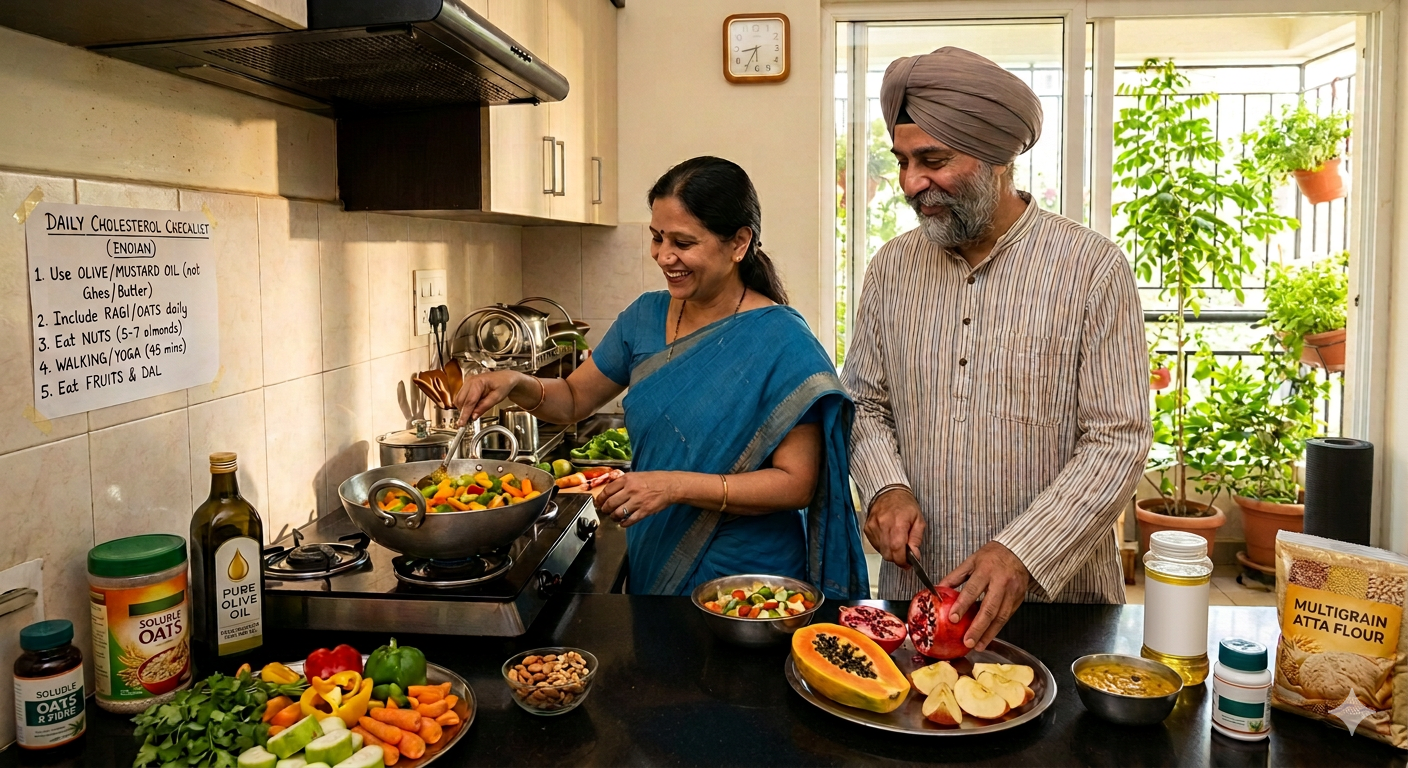
Eating more fibre while reducing fat intake can effectively help promote healthy cholesterol levels. However, focusing on the type of fat and fibre is more effective than just reducing total fat:
- Eliminate trans fats: These fats raise LDL and lower HDL. Avoid foods that contain partially hydrogenated oils, often found in fried foods and packaged baked goods.
- Swap: Replace saturated fats with healthier fats like those found in olive oil, avocados, and nuts. Omega-3 fatty acids, found in fatty fish like salmon and mackerel, are also beneficial.
- Eat more plant-based foods: Incorporate more plant-based foods into your meals, including legumes, nuts, seeds, and whole grains. These can help improve overall cholesterol levels.
- Maximise soluble fibre: This acts like a sponge, binding to cholesterol in the gut to flush it out before it enters the blood. Aim for 10-25 grams of soluble fibre daily.
While they don't lower LDL directly, they significantly reduce triglycerides and protect the heart rhythm.
2. Maintain a healthy weight
Losing just 5-10% of your body weight can significantly lower LDL and total cholesterol. Aim for a balanced diet and regular physical activity to achieve and maintain a healthy weight.
2. Move more
It is often recommended that one should aim for at least 150 minutes of moderate aerobic exercise each week. Activities like walking, swimming, or cycling can help raise HDL cholesterol levels while lowering LDL levels.
4. Quit smoking and limit alcohol
Smoking damages blood vessels and lowers HDL. Quitting can restore HDL levels to those of a non-smoker within a year and provide numerous health benefits. Similarly, excessive drinking can lead to high cholesterol and other health issues. Therefore, it's best to limit alcohol intake.
5. Manage stress
Chronic stress triggers hormones that can spike cholesterol. Use meditation, yoga, or deep breathing for at least 10 minutes a day.
6. Consider supplements
Some supplements, like omega-3 fatty acids, soluble fibre (like psyllium), and plant sterols, may help lower cholesterol. However, you should always consult a doctor before starting any new supplement.
These lifestyle changes can help lower cholesterol levels and improve cardiovascular health. It is also crucial to get your cholesterol levels checked regularly, especially if you have a family history of cholesterol issues or heart disease. Early detection can help you manage your levels effectively.
Disclaimer: This content including advice provides generic information only. It is in no way a substitute for a qualified medical opinion. Always consult a specialist or your own doctor for more information. NDTV does not claim responsibility for this information.