




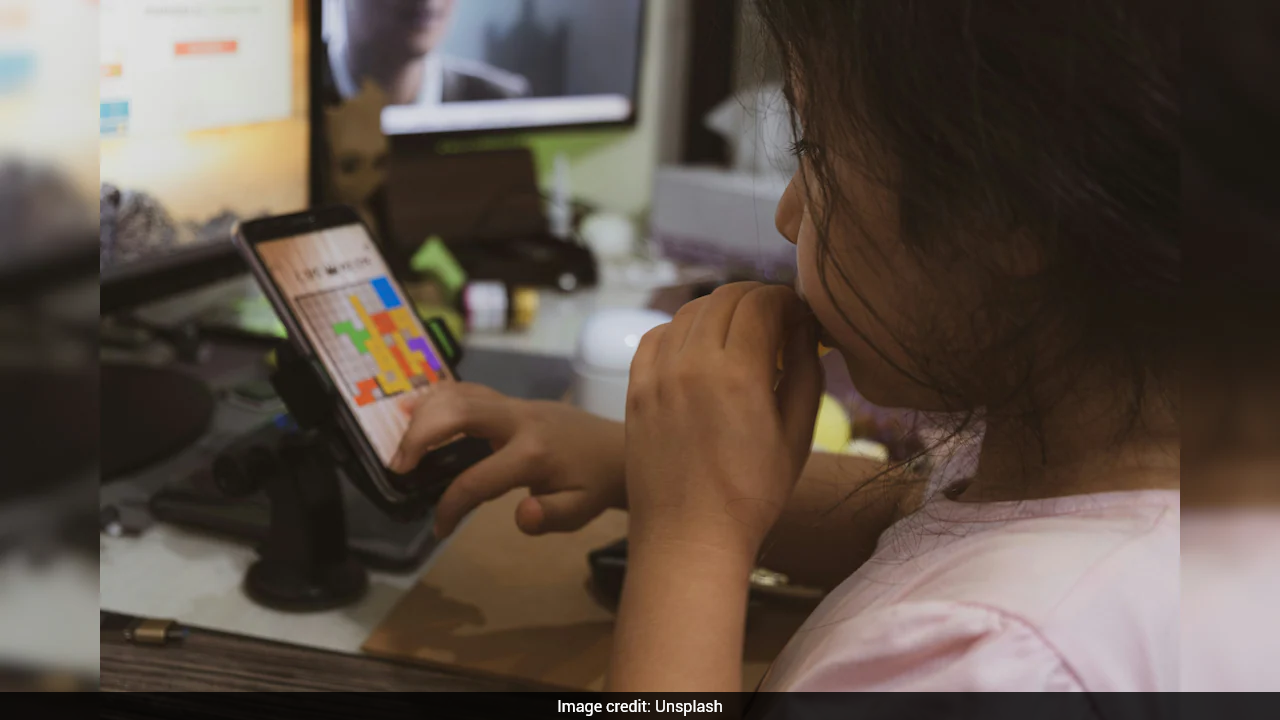
Doctors and medical experts have raised alarm over a growing "skeletal crisis" among children in India, warning that modern indoor habits and excessive screen time, along with poor nutritional intake, are quietly weakening peak bone mass during the growth years. Children develop most of their lifelong skeletal strength before reaching adulthood. However, doctors note that poor routines and limited exposure to sunlight are leaving young bones fragile.
Dr Sfurti Mann and Dr Chaitanya Challa shed light on the root causes of this trend, early warning signs to watch for, and steps parents can take to protect their children's bone health.
What is the "Skeletal Crisis"?
According to them, the term refers to an increasing nationwide trend of poor bone density and bone complications in children. Unlike previous generations that spent hours outdoors, today's youngsters spend much of their time inside homes and classrooms. This shift, along with diets lacking essential nutrients, is preventing children from reaching their optimal peak bone mass.
The Indian Association of Physiotherapists (IAP) experts have also flagged a reported 40% rise in musculoskeletal problems among schoolchildren, citing sedentary lifestyles and poor movement habits as key concerns.
"Back pain does not start in old age. We are seeing a concerning 40% rise in musculoskeletal problems among schoolchildren, and this should make us rethink how we approach preventive healthcare in schools," Prof Dr Sanjiv K Jha, President of the Indian Association of Physiotherapists (IAP), said in a report. "We need to shift from treating musculoskeletal problems after they appear to preventing them through early education, fitness and appropriate physiotherapy interventions."
"Skeletal health concerns in children can arise when their growing bones do not receive adequate nutrition, physical activity or essential nutrients such as calcium and vitamin D," Dr Chaitanya Challa, Sr Consultant Internal Medicine, CARE Hospitals, Banjara Hills, Hyderabad, told NDTV.
"If left unaddressed, significant deficiencies can affect bone mineralisation, growth and bone strength. However, ‘skeletal crisis' is not a standard medical diagnosis, so the specific concern should be clarified."
Sunlight and diet: Finding the Right Balance
Sunlight exposure is a primary source for natural Vitamin D production, which allows the body to absorb calcium. However, Dr Mann points out that there is no single rule for how long a child should stay in the sun, as individual requirements depend on factors like skin tone, local season, and time of day.
Key dietary focus areas include:
Calcium-Rich Foods: Regular inclusion of dairy products like milk, curd, and paneer, along with traditional grains like ragi.
Protein Sources: Adequate intake through eggs, pulses, lentils, and nuts to support skeletal frame growth.
Supplements: Vitamin D supplements can bridge the gap when natural sunlight and food sources fall short, though parents should always consult a medical expert before starting any regimen.
"Include calcium-rich foods such as milk, curd, paneer and ragi along with protein sources like eggs, pulses and nuts," Dr Sfurti Mann, Clinical Director of Internal Medicine & Diabetology at Marengo Asia Hospitals in Gurugram told NDTV.
"Vitamin D supplements may be needed if you do not get enough from your diet, but this should only be done on the advice of a doctor."
Importance of Exercise for Bone Mass
The experts have said that physical movement is crucial for developing skeletal strength. The recommended activities include skipping rope, running, hopping, jumping, and outdoor sports such as football and basketball.
"Weight-bearing exercise helps to build stronger bones because gravity is working against you," Dr Mann said.
"Children aged 6 to 17 should aim to do at least 60 minutes of physical activity daily, including bone strengthening exercises three times a week. Young children thrive on active outdoor play."
"Instead of always doing high-intensity training, encourage a variety of activities. And take care of yourself too with enough rest and nutrition, as well as wearing the right shoes to help prevent injuries."
Warning Signs and Prevention
In many cases, bone weakness develops without early symptoms. However, parents should stay alert to clear signs and seek a medical evaluation on time.
"Bone health concerns in children may not always produce obvious symptoms in the early stages. However, persistent bone pain, delayed growth, difficulty walking, muscle weakness, frequent fractures or fractures following relatively minor injuries warrant medical evaluation. These signs do not necessarily indicate a bone disorder, but they should not be ignored," Dr Challa added.
"A paediatrician can assess the child's growth pattern, dietary habits, physical activity, medical history and fracture history to determine whether further investigations are needed. Depending on the clinical assessment, tests may include blood investigations to evaluate vitamin D, calcium and other relevant parameters."
What are the 'Red Flags' the Parents Should Monitor
- Frequent fractures resulting from minor stumbles or mild falls
- Persistent, unexplained bone or joint pain
- Delayed physical growth, muscle weakness, or abnormal walking patterns
- Visible signs of conditions like rickets, including bowed legs or swollen wrists in young children
"Parents should keep a check on their child's growth, eating habits and physical development at regular intervals. In case of suspicion of deficits, doctors can suggest blood tests for vitamin D, calcium, phosphorus and alkaline phosphatase," Dr Mann suggested.
"Bone density scans are generally not needed for healthy children but may be helpful for those with repeated fractures or chronic illnesses. Early evaluation avoids complications.
Track Latest News Live on NDTV.com and get news updates from India and around the world

